
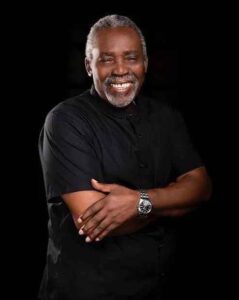







Lady Diana Eyo-Enoette
Not all diplomats wear suits, some wear purpose – DeeEnvoy
Whenever children are abducted in Nigeria, our collective prayer is simple: Bring them back alive. And rightly so.
But I often wonder: what happens after they return?
Who helps the child who cannot sleep because every loud sound feels like danger?
Who sits with the teenager who has learned that schools are no longer safe spaces?
Who supports the parents whose relief is mixed with guilt, fear, and emotional exhaustion?
When the headlines fade and the cameras leave, what becomes of the minds of those who survived?
The recent kidnappings involving school children should force us to ask uncomfortable questions. Rescue is essential, but rescue alone is not recovery. Trauma changes people.
It changes how children trust, learn, relate, and imagine their future. Some may return withdrawn. Others may struggle academically. Some may relive their experiences through nightmares and anxiety. Many may carry invisible wounds for years.
This is where the Sustainable Development Goals (SDGs) intersect with our national reality. How do we achieve SDG 4 (Quality Education) when fear keeps children away from classrooms?
How do we advance SDG 3 (Good Health and Well-being) when mental healthcare remains inaccessible to many Nigerians?
How do we build SDG 16 (Peace, Justice and Strong Institutions) when communities continue to live with unresolved trauma?
Perhaps the harder question is this: Is Nigeria prepared to care for these children mentally after they regain their freedom?
Do we have structured reintegration plans?
Are our healthcare systems equipped with child psychologists, trauma-informed practitioners, and community support mechanisms?
Do our schools know how to welcome back a child whose world has been turned upside down?
Or do we simply celebrate their return and expect them to “move on”?
The truth is that insecurity does not only destroy infrastructure; it disrupts development by damaging human potential. A traumatised child may struggle to learn. A fearful community may stop sending children to school. A nation that neglects the psychological consequences of violence risks raising a generation burdened by silent suffering.
If we are serious about achieving the SDGs, mental health can no longer be an afterthought in our response to insecurity.
Bringing our children home is the first step.
Ensuring they can heal, thrive, and dream again is the responsibility that follows.
Because survival should never be the finish line.
Written by – Lady Diana Eyo-Enoette 08066614856; deltasasdgs@gmail.com


