






Power Grid
The total available electricity generation of Nigeria has risen to 5,403.3 megawatts on Tuesday, coming within about 399MW of the country’s all-time generation peak of 5,801.84MW recorded in March 2025.
The latest figure was contained in the Daily Load Allocation Table released by the National Control Centre of the Transmission Company of Nigeria for September 22, 2026. The table showed that 4,379.07MW of the available generation was allocated for delivery to electricity distribution companies across the country.
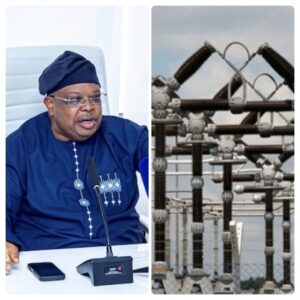
The development comes as the Federal Government continues efforts to increase generation and improve the transmission network, with the Minister of Power, Joseph Tegbe, saying the sector had recorded generation and transmission levels above 5,000MW in recent weeks.
The 5,403.3MW available generation recorded on Tuesday represents about 93 per cent of the 5,801.84MW all-time peak generation milestone listed by the Nigerian grid operator.
According to the electricity grid milestones data from the system operator, the 5,801.84MW peak was attained at 9:15 pm on March 4, 2025. The milestone remains the highest instantaneous generation level recorded on the Nigerian electricity grid.
The latest generation figure also exceeds the 5,330MW generation peak disclosed by Tegbe as having been recorded during August and September 2026. The minister had said operational reports showed that generation and transmission had risen above 5,000MW in the weeks preceding his 100-day media briefing, compared with a generation range of between 3,700MW and 4,700MW before June.
However, the 5,403.3MW figure represents available generation in the load allocation schedule and should not be treated as the same measurement as the all-time instantaneous peak of 5,801.84MW.
The National Control Centre allocated 4,379.07MW to the DisCos, while 1,024.18MW was classified under exempted loads and other system requirements.
See more Punch stories on Google.
Of the allocation to the distribution companies, Abuja Electricity Distribution Company received the highest allocation at 700MW, representing 15.20 per cent under the Nigerian Electricity Regulatory Commission percentage allocation.
Ikeja Electricity Distribution Company followed with 581MW, representing 15.01 per cent, while Ibadan DisCo received 550MW, equivalent to 11.93 per cent. Benin DisCo was allocated 531MW, with an 8.04 per cent NERC percentage.
Other allocations included 519MW for Eko DisCo, 512MW for Enugu DisCo, 466MW for Port Harcourt DisCo, 161MW for Kano DisCo, 155MW for Kaduna DisCo, 134MW for Jos DisCo and 70MW for Yola DisCo.
Related News
Electricity subsidy may hit N2tn amid tariff freeze
AEDC to halt electricity supply in key Abuja areas for six-hour maintenance
Ending Nigeria’s endless electricity challenges
The remaining 1,024.18MW in the table was not available for direct allocation to DisCos. It included 108.07MW for power stations and auxiliary consumption, 367.87MW for transmission losses and substation services, as well as supplies covered by bilateral and international arrangements, including allocations to Niger and local industrial consumers.
Nigeria has an installed generation capacity of 13,014.40MW, according to the NigGrid electricity grid milestones data. However, the grid’s highest recorded generation of 5,801.84MW remains substantially below the installed capacity.
The gap reflects the long-standing challenge of converting Nigeria’s installed generation assets into sustained electricity production. NERC’s sector data has similarly shown that generation output fluctuates according to factors including the operational availability of generating units, grid demand and the availability of fuel.
Tegbe had said the Federal Government’s diagnosis of the electricity sector found constraints across the entire value chain, including gas supply, generation, transmission and distribution.
“Upon assuming office, the diagnosis we undertook at the onset revealed constraints at every segment of the electricity value chain. Gas supply to power stations was limited by damaged pipelines and commercial terms that discouraged investment,” the minister stated.
He added that the generation fleet was heavily dependent on thermal plants, while ageing equipment, deferred maintenance and stalled projects had affected the ability of available capacity to reach consumers.
“Our generation fleet was heavily dependent on thermal plants, with ageing equipment, deferred maintenance, stalled projects and capacity unable to reach consumers. The sector diagnosis revealed payment of only 27 per cent of generation companies’ bills, undermining their ability to maintain plants and pay gas suppliers,” Tegbe stated.
The minister also disclosed that the 375MW Alaoji open-cycle power plant had been restored to the national grid after being offline for three years.
He said transformers commissioned at Apapa, Ijora, Alausa and Lekki in Lagos had unlocked 672MW of transmission capacity, while a 300MVA transformer at Katampe, Abuja, unlocked another 240MW.
The latest 5,403.3MW figure therefore represents another period of relatively high generation for the national grid, but it remains about 398.54MW short of the 5,801.84MW all-time peak. It could be recalled that power generation fell below 3,000MW in the first quarter of 2026 due to gas constraints.
The Federal Government has said its next phase of intervention will focus on stabilising major transmission corridors, including Lagos, Enugu-Port Harcourt and Abuja-Kaduna-Kano, while work begins towards a transmission supergrid.


