





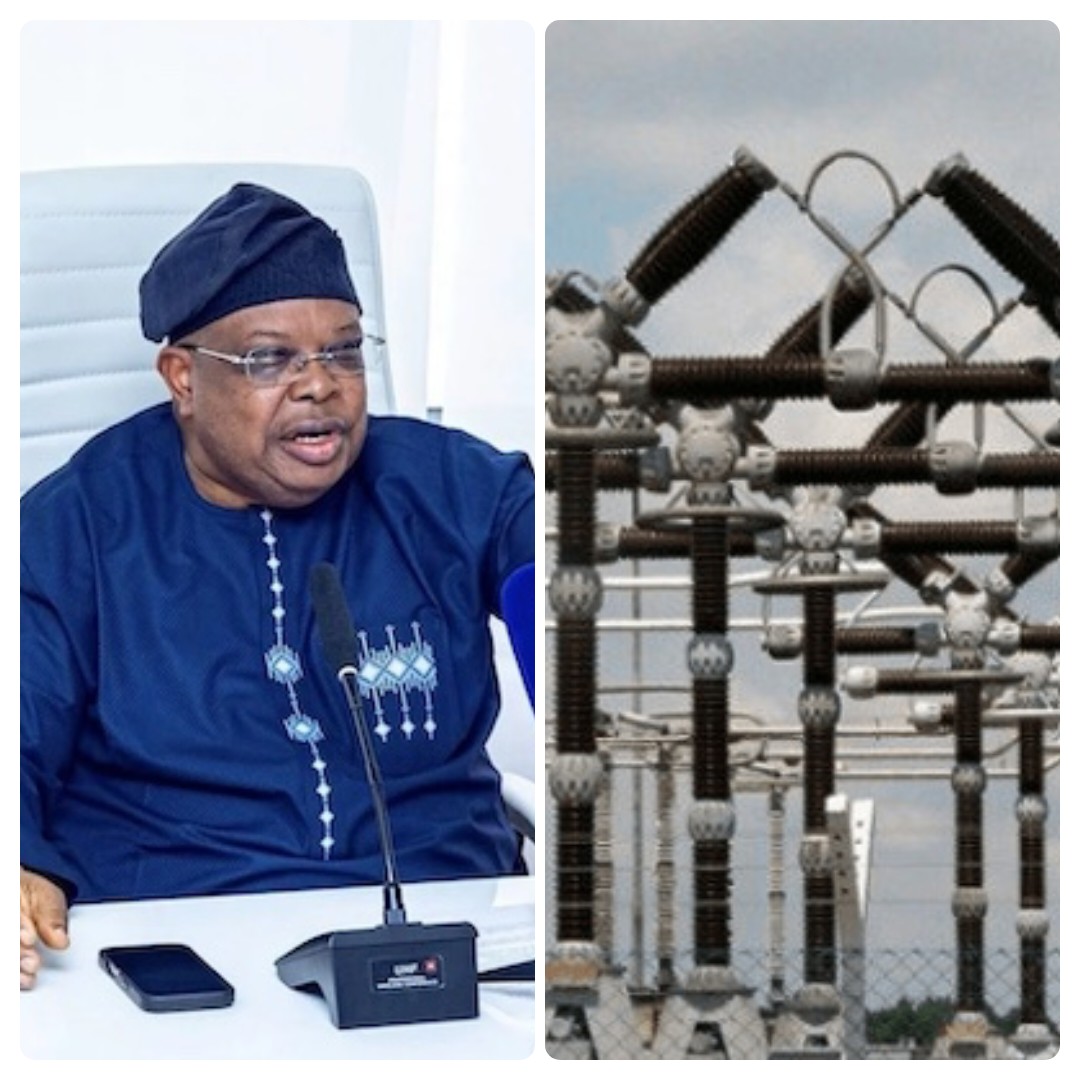
The Minister of Power, Joseph Tegbe.
The Minister of Power, Joseph Tegbe has warned that the federal government will impose sanctions after energy theft along the Ikorodu-Sagamu corridor caused about N120 billion in losses over the past year, and pledged tougher enforcement and targeted investigations to stop meter tampering and restore market integrity.
The federal government warned against the widespread energy theft along the Ikorodu–Sagamu corridor that is costing the nation an estimated N120 billion a year, and pledged tougher enforcement and targeted reforms to stop illegal connections, reduce losses and protect power-sector investments.
Tegbe, sounded this warning during a high-level engagement with industrial customers on the corridor, held against the backdrop of concerns over significant discrepancies between electricity supplied and energy accounted for by market participants.
The minister also assured industries operating along the 132kV the corridor of sustained electricity supply, while warning that the federal government would take firm action against energy theft, meter tampering and other practices undermining the integrity of the power system.
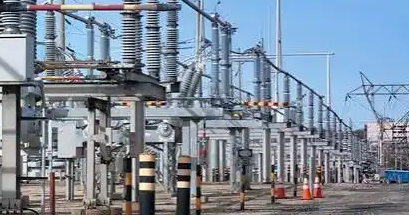
The Ikorodu-Sagamu corridor has grown into a major industrial cluster, serving some of the country’s largest electricity consumers. However, increased visibility of power flows through the Nigerian Independent System Operator’s (NISO) technology-based monitoring systems since 2024 has exposed troubling anomalies in energy consumption and loading patterns on the corridor.
By 2026, the discrepancies had become increasingly difficult to reconcile, with losses on the corridor reaching as high as 100MW, resulting in a loss of N120 billion in one year.
Speaking at the engagement, Tegbe said the government’s priority was to ensure that industries had the electricity required to sustain production and investment, but stressed that reliable supply must be matched by responsible consumption and accurate payment.
“We must know where the power is going and what is compromising it,” the minister said, directing stakeholders to establish the facts through a transparent, scientific and fair investigation.
He warned that the government would not tolerate meter tampering, deliberate interference with energy measurement, manipulation of data or any other form of energy theft that deprives the electricity market of legitimate revenue.
“Every consumer must be responsible for its actions and consumption,” he said.
The minister’s intervention comes as the federal government intensifies efforts to improve accountability and financial discipline across the electricity value chain, while maintaining a stable operating environment for productive industries.
He urged all parties to approach the process with openness and a commitment to resolving the outstanding issues, stressing that the sustainability of Nigeria’s power sector depends on accountability from every participant.
Also speaking, the managing director/CEO, of NISO, Abdu Bello Mohammed, said the issue goes beyond routine technical checks and has implications for power system security, the integrity of electricity measurement and market discipline. He noted that the Ikorodu–Sagamu corridor has grown into a major industrial load axis following network reinforcements and new connections, increasing the need for accurate measurement and accountable allocation of system costs.
“We must ensure every megawatt and megawatt‑hour entering and leaving the corridor is properly measured, accounted for and attributable to the appropriate market participant,” Mohammed said.
He emphasised that NISO is not prejudging any participant but is focused on establishing facts through credible technical evidence and due process.
The ongoing investigation has involved validation of reference metering infrastructure, physical inspections of industrial substations and electrical installations, and technical checks of metering and measurement systems. NISO has issued formal notices to some facilities following preliminary findings that require explanation, remediation or further inquiry.
To improve diagnostic capability, NISO said it has incorporated additional parameters into its monitoring architecture, including power factor, active and reactive power components and harmonic measurements. These metrics will help determine whether technical, operational or measurement-related factors are contributing to the discrepancies.
Engr. Mohammed urged full cooperation from all stakeholders, especially in granting access to facilities, meters, operational records and historical data needed for the probe. He also warned against actions that could frustrate the investigation or obscure normal operating profiles, such as altering operating configurations, transferring load, or modifying electrical characteristics during the inquiry.
“Every consumer and participant connected to the national grid has a responsibility to be accountable for its actions and energy consumption,” he said, adding that compliant customers should not be disadvantaged by practices that undermine the integrity of the electricity market.
NISO affirmed its commitment to conduct the probe professionally, objectively and without prejudice, deploying technical expertise and forensic tools to establish the facts. The operator expressed confidence that the stakeholder engagement would produce solution‑oriented outcomes to protect grid security, strengthen market integrity and restore public confidence in the Nigerian Electricity Supply Industry.
Regulatory and market stakeholders have been asked to await the results of the technical and forensic work before any enforcement or remedial measures are taken publicly. A timeline for completion of the investigation was not disclosed.
In attendance at the engagement were the managing director/chief executive officer and executive directors of NISO, representatives of the Transmission Company of Nigeria (TCN), the managing directors of Ibadan Electricity Distribution Company and Ikeja Electric, as well as representatives of companies operating within the corridor.