





Manny Ita –
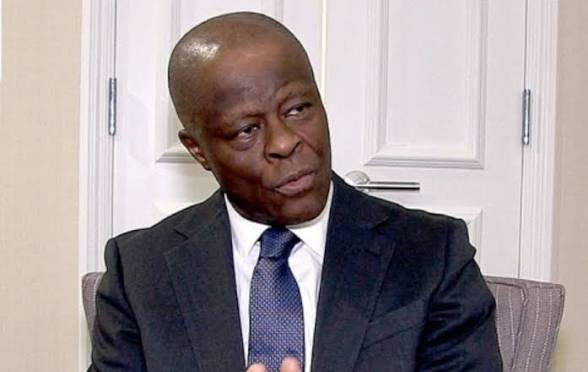
Nigeria’s Minister of Finance and Coordinating Minister of the Economy, Wale Edun, has stated that the country has no intention of seeking financial support from the International Monetary Fund, even as concerns grow over rising debt levels.
Edun made this known on Thursday during a ministerial press briefing at the IMF-World Bank Spring Meetings in Washington, D.C., amid broader discussions about fiscal pressures facing African economies.
Reaffirming the government’s position, the minister said, “Nigeria has no plans at the moment to approach the IMF or any other source.”
His remarks come at a time when many African countries are grappling with increasing debt burdens, with several either in or nearing debt distress. According to Edun, one of the key challenges remains the high cost of borrowing on the international market.
“The premium that they pay for commercial debt is part of the reason why there is this distress, discomfort in the first place, in terms of the percentage of revenue that has to be given over to debt service, as opposed to health and so forth,” he said.
Recent data from the Debt Management Office shows that Nigeria’s total public debt rose significantly, increasing by about N14 trillion to reach N159.27 trillion as of the fourth quarter of 2025. This has intensified concerns about debt sustainability, especially as a substantial portion of government revenue is now directed toward servicing existing obligations.
Despite this, the federal government has continued to explore alternative financing strategies. The National Assembly recently approved a $6 billion external borrowing plan, highlighting ongoing efforts to bridge funding gaps without resorting to IMF assistance.
Edun also pointed to structural issues affecting African economies more broadly, noting that nearly half of countries on the continent face debt-related challenges. He emphasized that high interest rates and risk premiums imposed by global financial markets continue to strain government finances.
In response, Bola Ahmed Tinubu has advocated for reforms in how African economies are assessed by global rating agencies, particularly calling for lower risk premiums to make borrowing more affordable.
The minister further stressed the need for long-term reforms aimed at reducing reliance on debt. These include improving revenue generation, leveraging technology such as artificial intelligence for efficiency, and encouraging greater private sector participation in economic development.
He added that diversifying funding sources and implementing sustainable economic policies would be critical to easing fiscal pressures and supporting growth.
While Nigeria is steering clear of IMF loans for now, the country’s rising debt profile underscores the urgency of maintaining disciplined fiscal management and pursuing reforms that can strengthen economic resilience.


