






Manny Ita
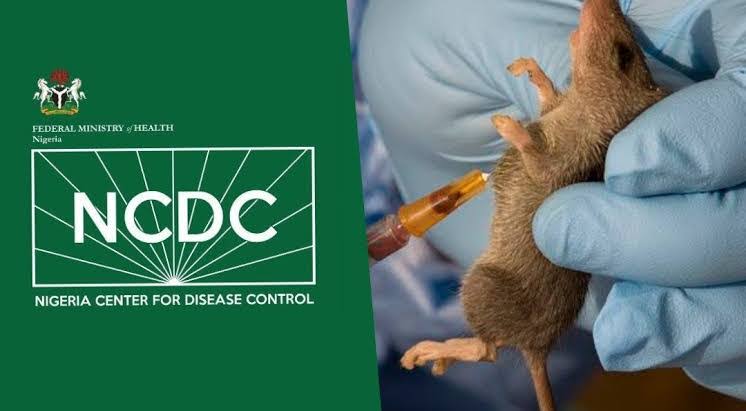
The Nigeria Centre for Disease Control and Prevention (NCDC) has officially activated a “Level 2 Emergency” Response following a sharp escalation in Lassa fever cases across the country. As of January 16, 2026, the agency reported that 450 cases have been confirmed since the start of the year, with a staggering 70% of the total infections concentrated in four hotspot states: Ondo, Edo, Bauchi, and Taraba. Health officials noted that while the disease is seasonal, the intensity of this year’s outbreak has triggered the activation of the National Lassa Fever Multi-sectoral Emergency Operation Centre (EOC) to coordinate a rapid, large-scale intervention.
A primary concern for the NCDC is the current Case Fatality Rate (CFR), which has spiked to 18%—a significant increase from the 16.3% recorded during the same window in 2025. National health experts are attributing this high mortality rate to “persistent late reporting” and a dangerous trend of “medical tourism,” where symptomatic patients travel between multiple local clinics and pharmacies before seeking specialized care at designated treatment centers. This delay not only reduces the patient’s chance of survival—as the antiviral Ribavirin is most effective when administered within six days of symptom onset—but also facilitates the secondary spread of the virus to healthcare workers and family members.
In response to the Level 2 declaration, the NCDC has deployed National Rapid Response Teams to the most affected states to assist with contact tracing, environmental sanitation, and the distribution of medical supplies. The agency also highlighted that young adults aged 21 to 30 remain the most affected demographic. Public health advisories have been intensified, urging citizens to eliminate rodent hiding places, store food in sealed containers, and avoid “self-medication” for persistent fevers. “Late presentation of cases is our biggest hurdle,” an NCDC spokesperson stated, emphasizing that “early detection is the difference between life and death in Lassa fever management.”