






Manny Ita –
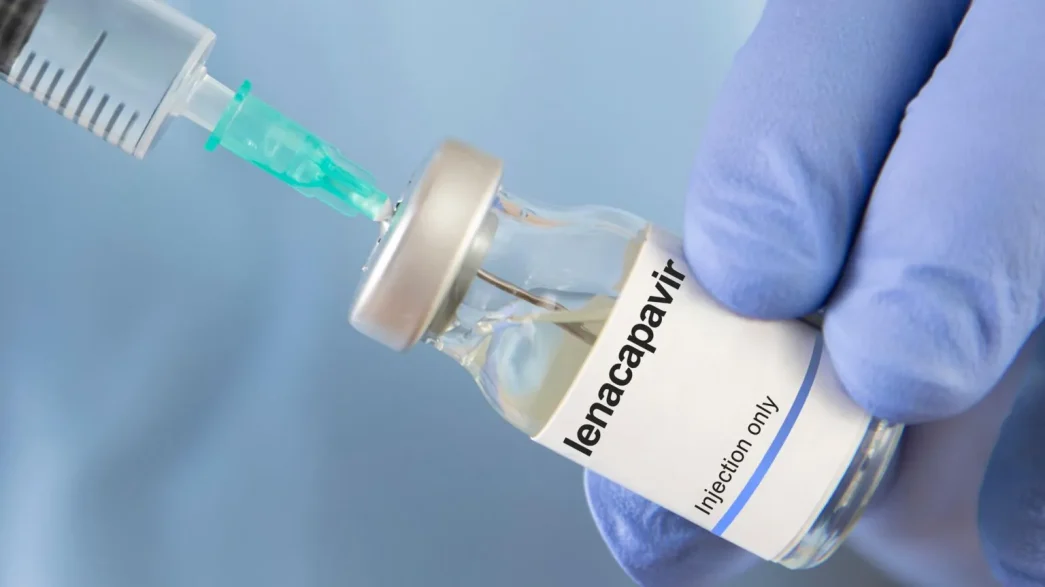
Nigeria has taken a significant step in its public health response to HIV with the arrival of 11,520 doses of a long-acting prevention injection, marking the first time the country will deploy this form of pre-exposure prophylaxis in a structured national programme. Health authorities confirmed that the shipment, received through a partnership involving the Federal Ministry of Health Nigeria, global health agencies, and donor institutions, will be introduced in a pilot phase across six states beginning Monday.
Officials described the injectable as a “game-changing addition” to existing HIV prevention tools, noting that unlike daily oral pills, the new regimen requires administration only once every two months, a feature expected to improve adherence among high-risk populations. “This innovation offers a discreet, convenient and highly effective alternative for individuals who may struggle with daily medication,” a senior official at the ministry said, adding that the rollout is part of a broader strategy to curb new infections and meet national and global HIV reduction targets.
The pilot programme will be implemented in selected treatment centres and community health facilities, with priority given to populations considered most vulnerable, including young women, key populations, and individuals in high-burden areas. According to programme coordinators, healthcare workers have already undergone specialized training on administering the injection and monitoring patients for side effects and effectiveness. “We are approaching this with careful planning to ensure safety, proper documentation, and measurable outcomes,” a programme lead stated.
Data from the National Agency for the Control of AIDS indicates that Nigeria still records tens of thousands of new HIV infections annually, despite notable progress in treatment coverage and awareness campaigns. Experts say the introduction of long-acting prevention could significantly reduce transmission rates if scaled effectively. “What this does is remove one of the biggest barriers—adherence. When people don’t have to remember a daily pill, protection becomes more consistent,” a public health specialist involved in the rollout explained.
International partners, including the World Health Organization, have endorsed long-acting injectable prophylaxis as a critical tool in the global HIV response, particularly in regions with high prevalence rates. Nigeria’s inclusion in the early rollout phase reflects both the scale of its HIV burden and its readiness to adopt innovative solutions. “Nigeria is demonstrating leadership by embracing science-backed interventions that can accelerate progress toward epidemic control,” a representative of a partner agency said.
Authorities emphasized that the current shipment is only the first tranche, with additional doses expected in the coming months as the pilot expands. Monitoring and evaluation mechanisms have been built into the programme to assess uptake, effectiveness, and user experience before a potential nationwide scale-up. “This is a pilot, but it is also a foundation,” the ministry noted. “The lessons we learn here will shape how quickly and effectively we can bring this prevention method to more Nigerians.”
Public health advocates have welcomed the development but cautioned that success will depend on sustained funding, community engagement, and efforts to tackle stigma, which continues to hinder access to HIV services. “The science is solid, but implementation is everything,” one advocate said. “We must ensure that people feel safe and empowered to access these services without fear or discrimination.”
The rollout comes at a time when Nigeria is intensifying its efforts to meet global targets aimed at ending HIV as a public health threat, with officials expressing optimism that innovations such as the long-acting injection will help close existing prevention gaps and protect more lives in the years ahead.