







About 95% of Nigerians use road transport compare to other means in Nigeria – FG
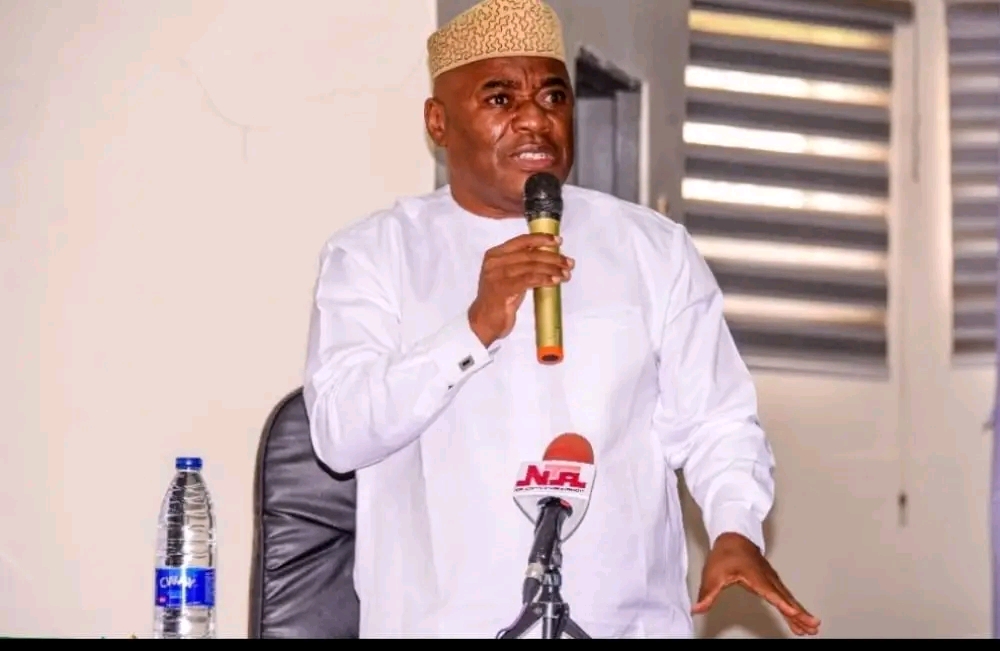

The Permanent Secretary, Federal Ministry of Works, Olufunsho Adebiyi. Photo: Federal Ministry of Works
… thanks Ekiti Governor for hosting National Council.
The Permanent Secretary, Federal Ministry of Works, Olufunsho Adebiyi, has disclosed that approximately 95 per cent of Nigerians rely on road transport for their movement and the transportation of goods across the country.
Adebiyi stated this while delivering his address at the 30th meeting of the National Council on Works, which opened on Monday in Ado-Ekiti, Ekiti State.
In a statement by the Director of Press and Public Relations, Mohammed A. Ahmed, Adebiyi explained that despite the growth of other modes of transportation such as rail, air, and water, road transport remains the dominant means of mobility in Nigeria, a situation that places enormous pressure on the nation’s road infrastructure.
“The resultant effect is heavy traffic volume and rapid deterioration of our pavements caused by heavy-duty vehicles and cargo movements,” he stated.
The Permanent Secretary emphasised that the completion and effective utilisation of the national rail network would significantly reduce road congestion, improve safety, and enhance economic efficiency.
“If rail transport becomes fully operational and reliable, many Nigerians would prefer to travel by train. It is cheaper, safer, faster, and less stressful,” he disclosed.
Adebiyi thanked the Governor of Ekiti State, Mr. Biodun Oyebanji, for hosting the event and for the warm hospitality extended to delegates.
He noted that holding the council meeting in Ado Ekiti was symbolic, as it provides an opportunity to showcase the state’s infrastructure development strides.
He also lauded the Minister of Works, Sen. David Umahi, and the Minister of State for Works, Bello M. Goronyo, for their exceptional leadership and untiring commitment to improving the nation’s road network, ensuring transparency in project implementation and management, and upholding professional standards in engineering practice.
The theme of the 30th National Council on Works, “Discipline, Transparency, and Innovation in Engineering Practice,” underscores the Federal Government’s resolve to entrench integrity, accountability, and creativity in infrastructure management and delivery.


