







Manny Ita
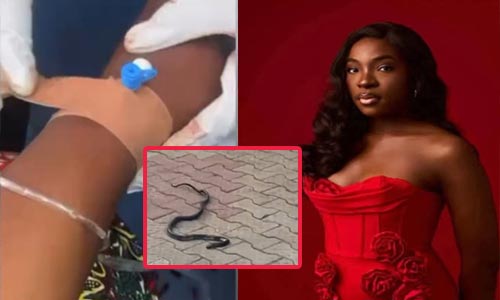
The management of the Federal Medical Centre (FMC), Jabi, has officially refuted social media allegations suggesting that a lack of adequate care or a shortage of anti-snake venom led to the death of singer Ifunanya Nwagene. Ms. Nwagene, a soprano with the Amemuso Choir popularly known as Nanyah, passed away on January 31, 2026, following complications from a snake bite. In a statement issued on Sunday and signed by Bioku Muftau, the head of clinical services, the hospital described her death as a “painful loss” and extended condolences to the family, stating, “First and foremost, we express our deepest condolences to the Nwagene family during this incredibly difficult time. The loss of a loved one is never easy, and our thoughts are with them.”
The hospital clarified that the medical team acted promptly upon her arrival, providing resuscitation efforts, intravenous fluids, intranasal oxygen, and the administration of polyvalent snake antivenom. According to the facility, doctors established that the patient had already developed serious neurotoxic complications from the bite. While arrangements were being made to transfer her to the Intensive Care Unit (ICU), her condition took a sudden turn for the worse. “Despite all efforts to stabilise her condition and transfer her to the ICU for further treatment, she experienced a sudden deterioration just before the transfer,” the statement noted. The hospital further clarified that life-saving measures were performed in an attempt to save her, adding, “Our team of professionals worked diligently to provide CPR and other life-saving measures; however, despite these efforts, we were unable to revive her.”
The Amemuso Choir confirmed the singer’s passing on Sunday afternoon via Instagram, describing her as a rising star whose “voice and spirit would be deeply missed.” The announcement triggered significant online debate, with several commenters alleging that the hospital’s response was inadequate and that necessary antivenom was unavailable. The FMC management addressed these claims directly, asserting that “The claims of non-availability of anti-snake venom and inadequate response are unfounded and do not reflect the reality of the situation.” The hospital maintained that it stands by the professionalism of its staff and reaffirmed its commitment to transparency. Medical experts noted that while antivenom is the most effective treatment for such incidents, its success depends heavily on the speed of administration and the severity of the initial envenomation, as neurotoxic effects can become fatal even after treatment has commenced.


