







Manny Ita
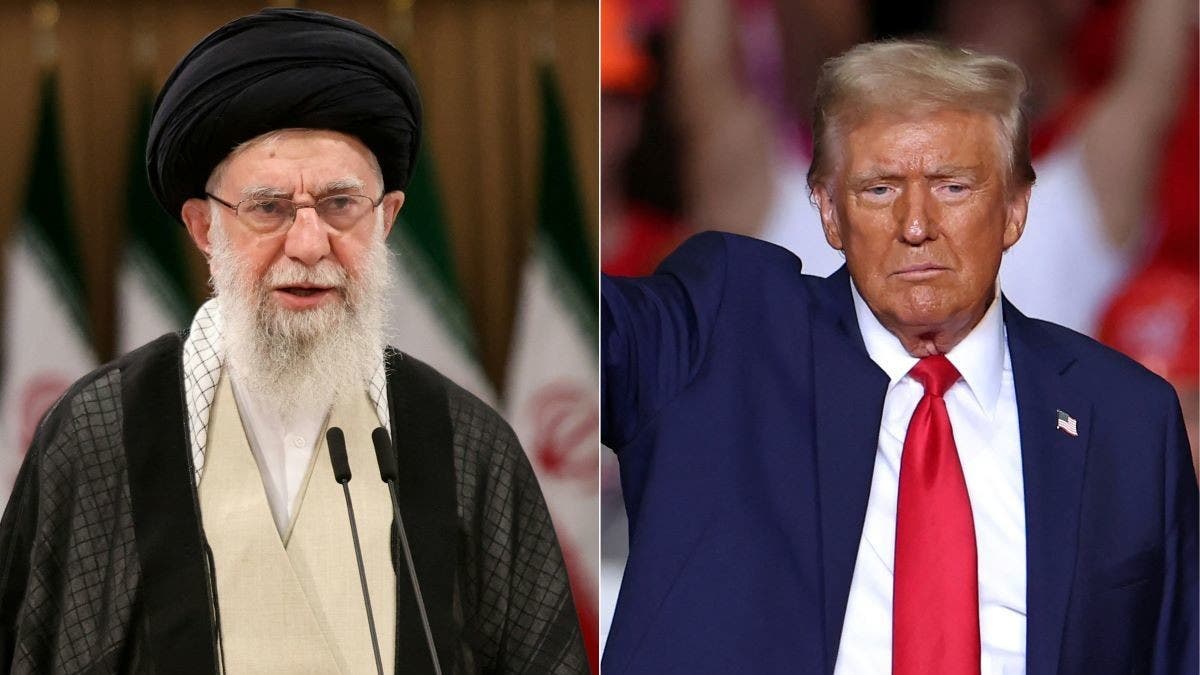
President Donald Trump has evaluated potential military strikes against Iran following a brutal internal crackdown that reportedly left thousands of protesters dead. The Pentagon has increased its regional presence, with an aircraft carrier group stationed to “rapidly fulfill its mission, with speed and violence, if necessary,” according to a statement made by the President on Truth Social. Defense Secretary Pete Hegseth reinforced this stance, stating, “They should not pursue nuclear capabilities. We will be prepared to deliver whatever this president expects of the War Department.” While reports suggest that military options presented to the White House include raids on sites inside Iran, Iranian Foreign Minister Abbas Araghchi indicated a readiness for either “fair and equitable” negotiations or warfare, though he emphasized that defense capabilities remain off the table for discussion.
The current geopolitical climate has drawn comparisons to previous U.S. interventions in South America, though analysts note that Iran’s arsenal of ballistic missiles presents a significantly higher risk to American troops and regional bases. President Trump previously told Politico that it was “time to look for new leadership in Iran,” citing the recent challenges to the hard-line government’s authority. Sanam Vakil, director of the Middle East and North Africa program at Chatham House, observed that Tehran is currently attempting to “manage two simultaneous crises: the potential for an external war and another possible internal round of protests.” Despite the administration’s rhetoric, Secretary of State Marco Rubio acknowledged the complexities of a potential regime collapse, stating, “I don’t think anyone can give you a simple answer as to what happens next in Iran if the Supreme Leader and the regime were to fall.”
Amid the escalation, regional allies including Israel and several Arab nations have urged the United States to exercise restraint, fearing that premature strikes might not provide a decisive blow. Saudi Crown Prince Mohammed bin Salman underscored this cautious approach, declaring that “the Kingdom will not allow its airspace or territory to be used for any military actions against Iran or for any attacks from any party, regardless of their origin.” High-level diplomatic meetings are ongoing in Washington this week, involving Israeli military intelligence chief Gen. Shlomi Binder and Saudi Defense Minister Khalid bin Salman Al Saud, as U.S. officials continue to deliberate on the shifting security landscape in the Middle East.


