




Manny Ita –
Fresh political realignments may be underway ahead of Nigeria’s 2027 general elections following a high-level meeting between Peter Obi and Rabiu Kwankwaso in Kano, a development that has intensified speculation about a possible coalition among key opposition blocs seeking to challenge the ruling establishment.
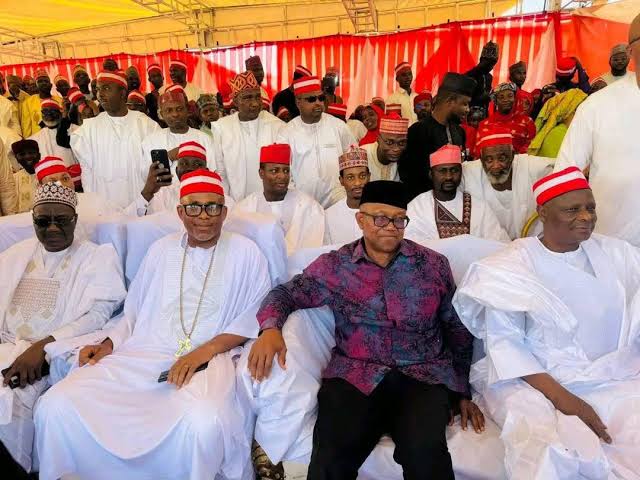
Sources familiar with the meeting confirmed that both men held closed-door discussions in Kano, the political stronghold of Kwankwaso and the base of the influential Kwankwasiyya movement, although details of the deliberations remain closely guarded. The talks are believed to have centered on the prospects of forging a united front that could include the African Democratic Congress (ADC) and other emerging opposition platforms.
While neither camp has issued an official statement outlining the outcome, insiders described the engagement as “strategic and forward-looking,” with one source noting that “there is a growing realization among opposition figures that fragmentation will only benefit the incumbents.” Another added, “the conversation is less about personalities and more about building a viable alternative that Nigerians can rally behind.”
The meeting comes amid increasing calls from political stakeholders and civil society actors for opposition leaders to close ranks after the divisive 2023 elections, which saw multiple candidates split the vote across regions. Analysts say both Obi and Kwankwaso command significant grassroots followings, particularly among youths and in northern Nigeria respectively, making any potential alliance a formidable force.
A political observer based in Kano said, “if the Kwankwasiyya structure aligns with Obi’s support base, it could reshape the electoral map in ways we have not seen in recent cycles,” but cautioned that “the challenge has always been sustaining trust and agreeing on power-sharing arrangements.”
The Kwankwasiyya movement, known for its disciplined grassroots network and strong loyalty in Kano and parts of the North-West, has remained a critical bloc in Nigeria’s evolving political landscape. Its potential alignment with reform-oriented groups and smaller parties like the ADC is already fueling debates within the ruling and opposition camps alike.
Despite the optimism in some quarters, skepticism persists over whether longstanding political differences and ambitions can be reconciled. “Coalitions in Nigeria often struggle under the weight of competing interests,” another analyst said, adding that “the success of this effort will depend on clear agreements and a shared vision, not just electoral convenience.”
As consultations reportedly continue behind the scenes, attention is now turning to whether the talks in Kano mark the beginning of a broader coalition-building process or merely exploratory engagement between two of Nigeria’s most prominent opposition figures.