





Manny Ita –
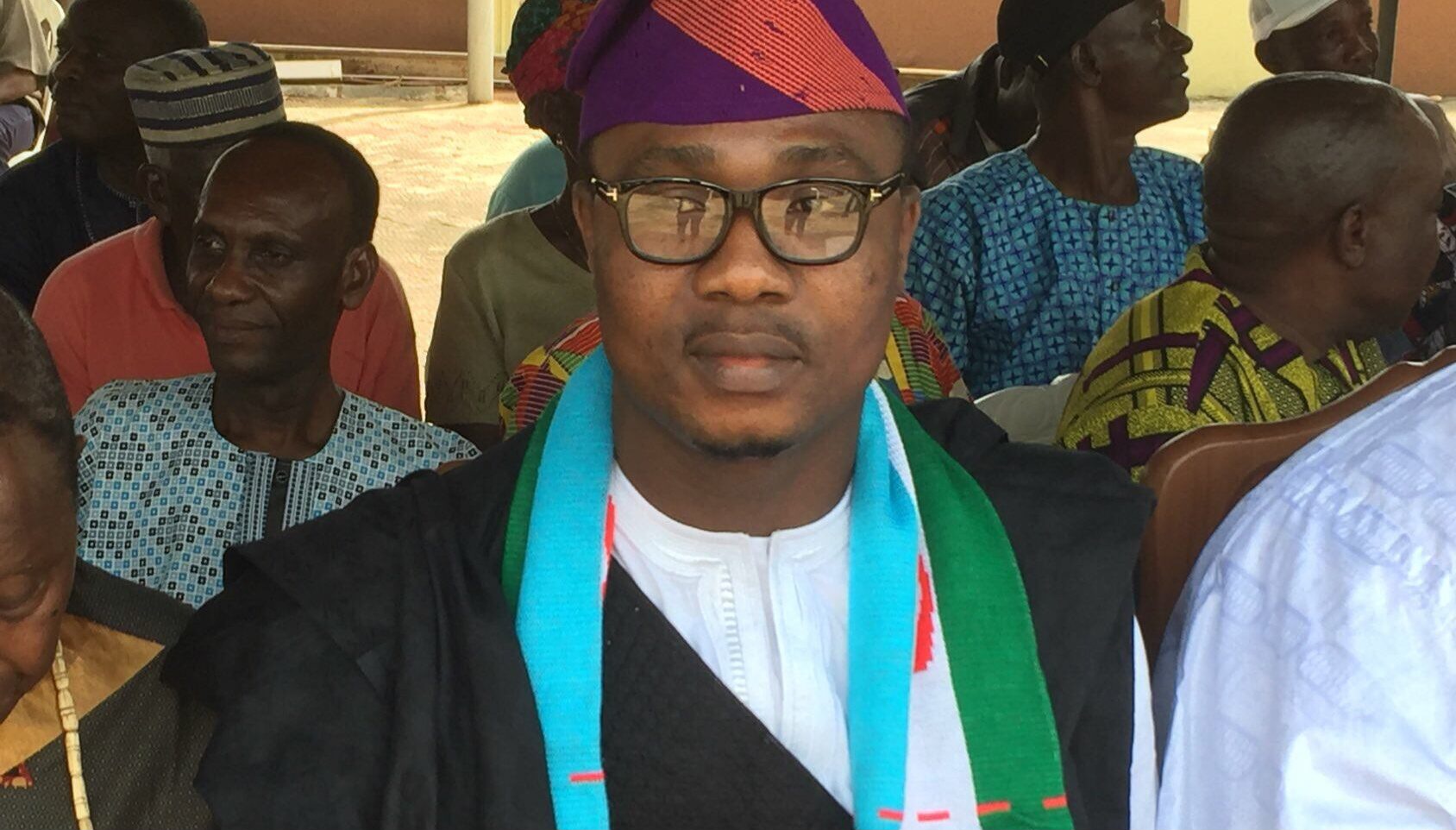
A trader from Edo State, Osifo Stanley, has formally joined the 2027 presidential race on the platform of the All Progressives Congress (APC), after purchasing the party’s ₦100 million expression of interest and nomination forms to challenge incumbent President Bola Ahmed Tinubu.
Stanley’s move signals an early internal contest within the ruling party, coming shortly after allies of the president also secured the same forms on his behalf ahead of the APC presidential primary scheduled for May 23.
The aspirant completed the purchase at the Sheraton Hotel in Abuja, positioning himself as one of the first individuals to publicly declare interest in contesting against a sitting president within the party.
His entry into the race was revealed through a video shared by Imran Muhammad, a senior special assistant on new media to the APC National Chairman, Nentawe Yilwatda.
Stanley has dismissed claims that his ambition is being sponsored by President Tinubu, insisting he has no financial ties to the president. He maintained that both the APC constitution and Nigeria’s electoral laws allow any qualified party member to contest for office, regardless of endorsements.
“There is no provision in our party constitution that says endorsement automatically confers candidacy,” he said, stressing that aspirants have the right to seek the party’s ticket through due process.
His emergence comes despite widespread endorsements for Tinubu within the APC, including backing from governors elected on the party’s platform. The president is seeking a second term and has been widely projected as the party’s consensus candidate.
The situation mirrors the 2022 APC primaries, where several high-profile figures initially declared interest and purchased nomination forms before many stepped down in support of Tinubu.
The APC had earlier confirmed that its presidential forms would remain priced at ₦100 million — ₦30 million for expression of interest and ₦70 million for nomination — the same cost applied during the 2023 election cycle.
Other aspirants across different offices are required to pay lower fees, with governorship hopefuls paying ₦50 million in total, while senatorial, House of Representatives, and state assembly aspirants pay varying amounts.
The high cost of nomination forms continues to spark debate over the financial barriers to political participation in Nigeria, with critics arguing that it limits access to only wealthy individuals or those with strong financial backing.