





Manny Ita
You cannot build a state on the backs of hungry workers”- Gov. Dauda Lawal.
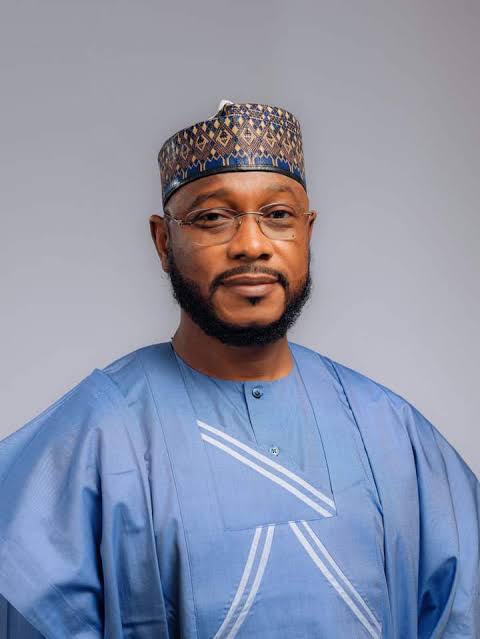
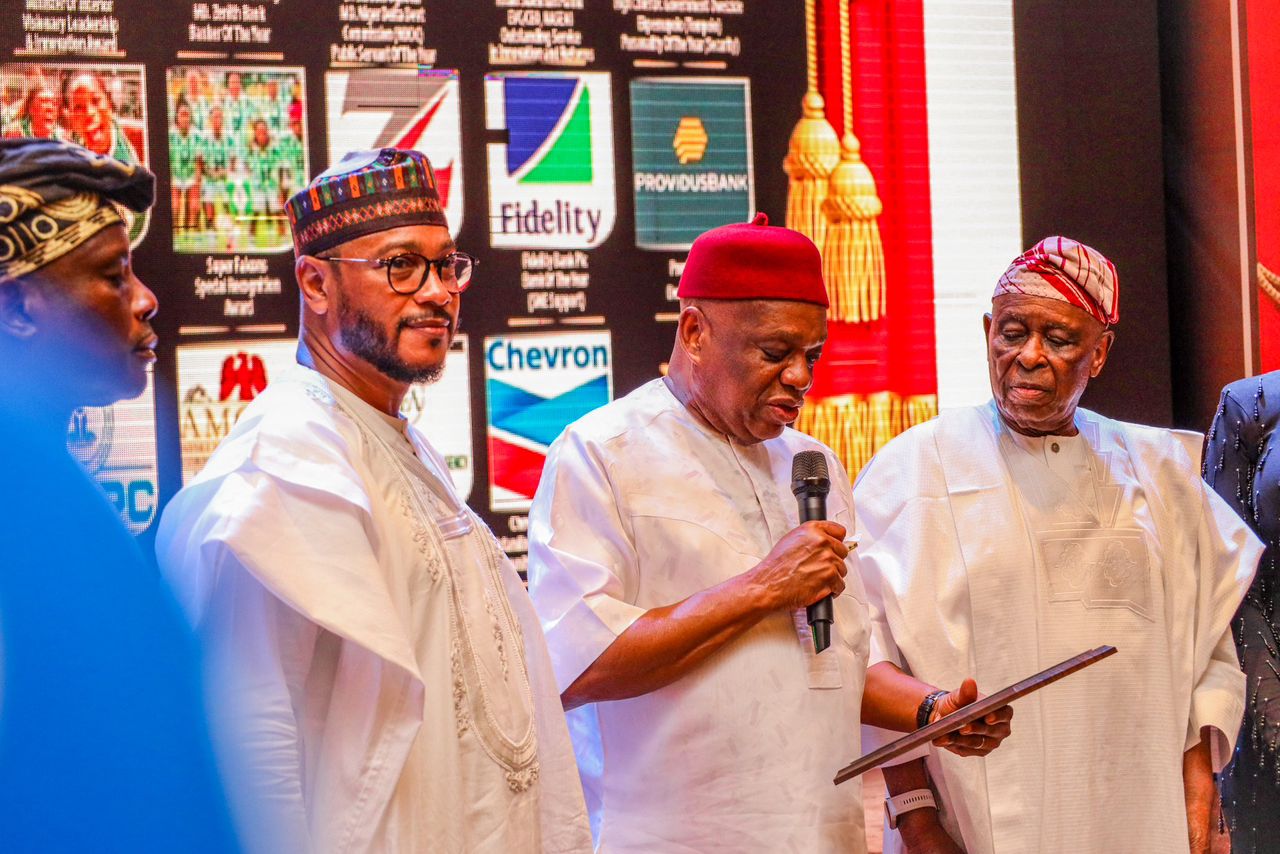
Long before he was walking the red carpet at the Lagos Oriental Hotel to receive the New Telegraph Governor of the Year Award on February 13, 2026, Dr. Dauda Lawal was a man defined by the high-stakes world of international finance and diplomacy. Born on September 2, 1965, in Gusau, Lawal’s journey to the Zamfara Government House began not in the typical corridors of local politics, but within the walls of Ahmadu Bello University, where he earned degrees in Political Science, and later at Usmanu Danfodiyo University, where he capped his academic pursuits with a PhD in Business Administration.

This academic foundation was polished by executive programs at Harvard, Oxford, and the London School of Economics—pedigrees that would later inform his “fiscal prudence” mantra as governor. His career trajectory saw him serve as a diplomat at the Nigerian Embassy in Washington, D.C., before he transitioned into a powerhouse role at First Bank of Nigeria, eventually rising to become the Executive Director of Public Sector (North).
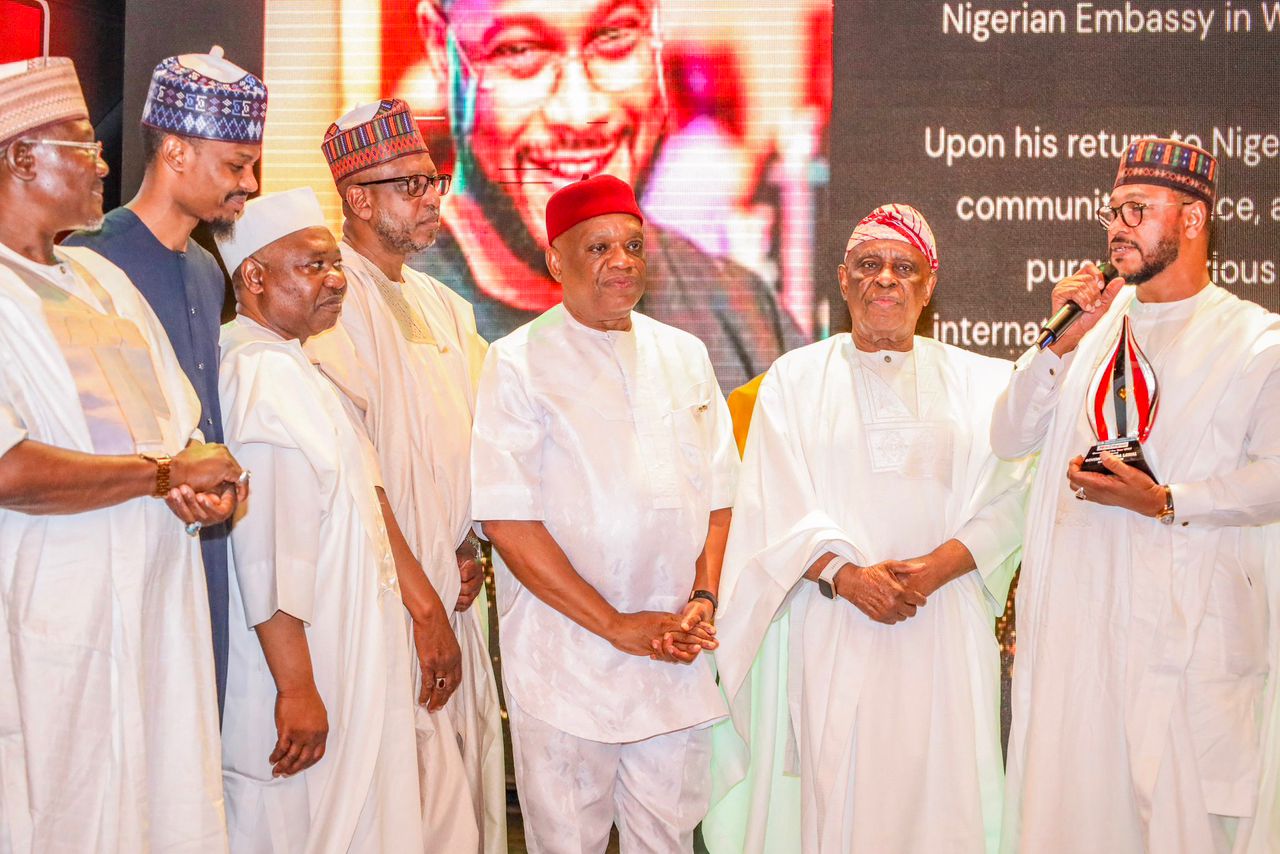
This transition from a corporate titan to a political reformer became official in 2023 when Lawal pulled off what many analysts called a historic upset, unseating an incumbent to become the first People’s Democratic Party (PDP) governor of Zamfara since 1999. He inherited a state that was, in his own words, on life support, grappling with a depleted treasury and a decades-long backlog of unpaid gratuities. However, his background in banking seemed to provide the exact toolkit needed for the crisis. Within his first two years, Lawal cleared over ₦15 billion in 13-year-old pension arrears and transitioned the state’s minimum wage from a meager ₦7,000 to ₦70,000.
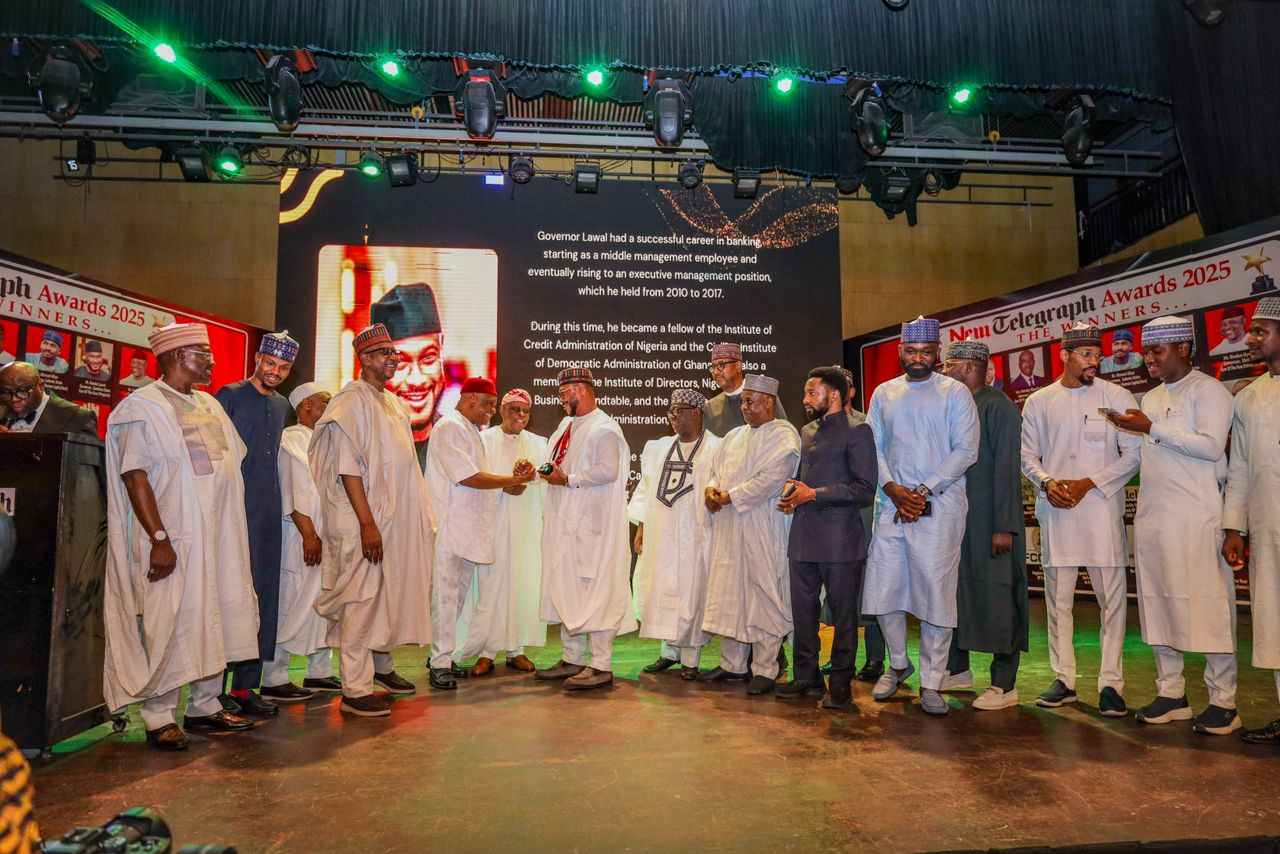
He famously told his audience in Lagos that these reforms were about bringing “sanity” back to the civil service, ensuring that those who served the state were finally treated with dignity.
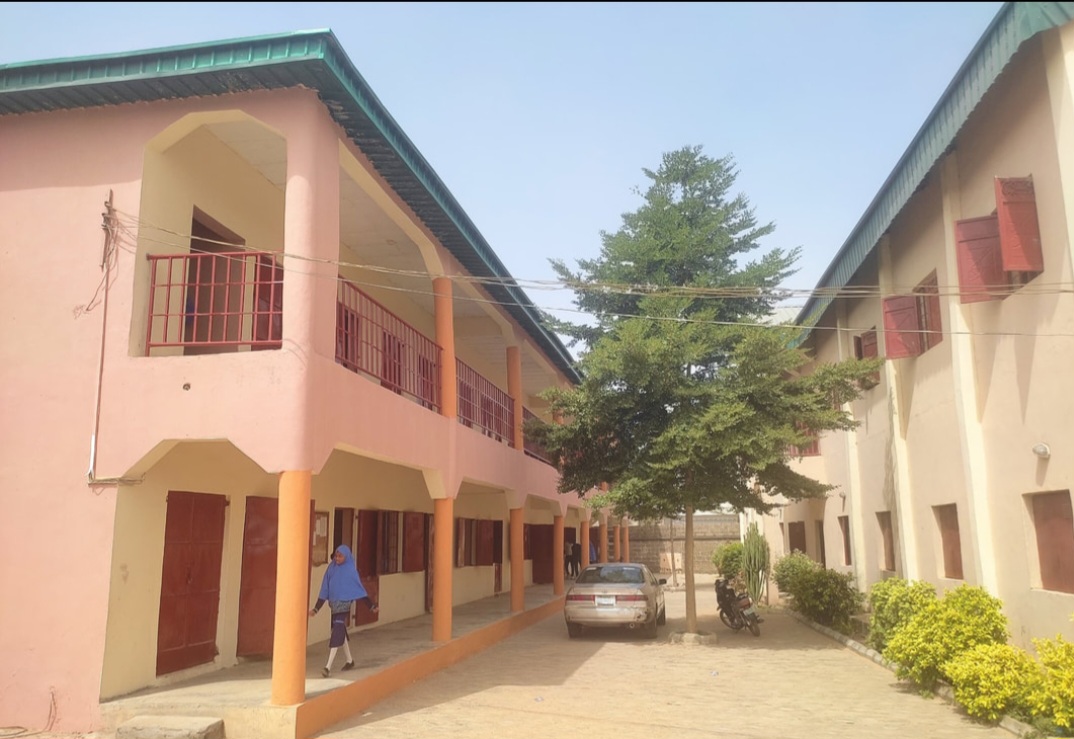
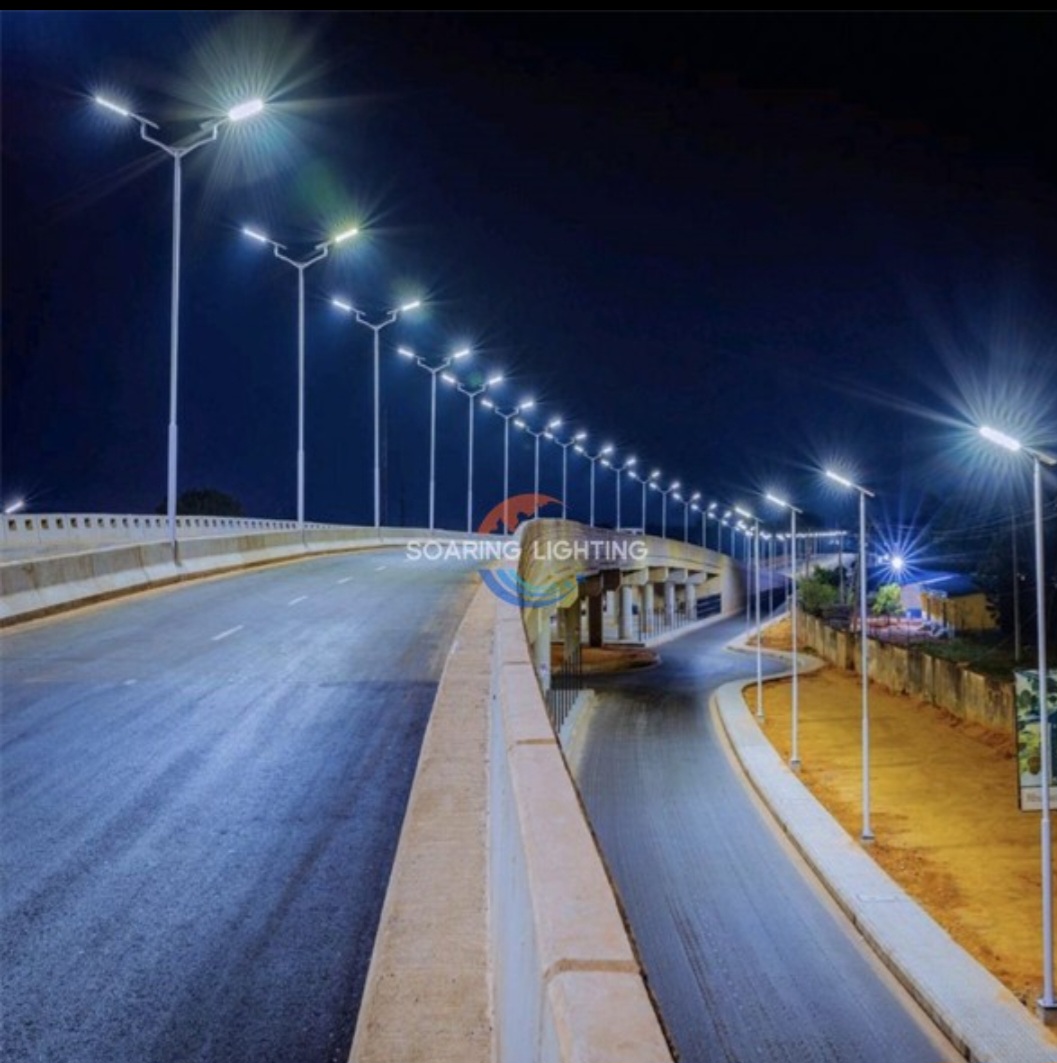
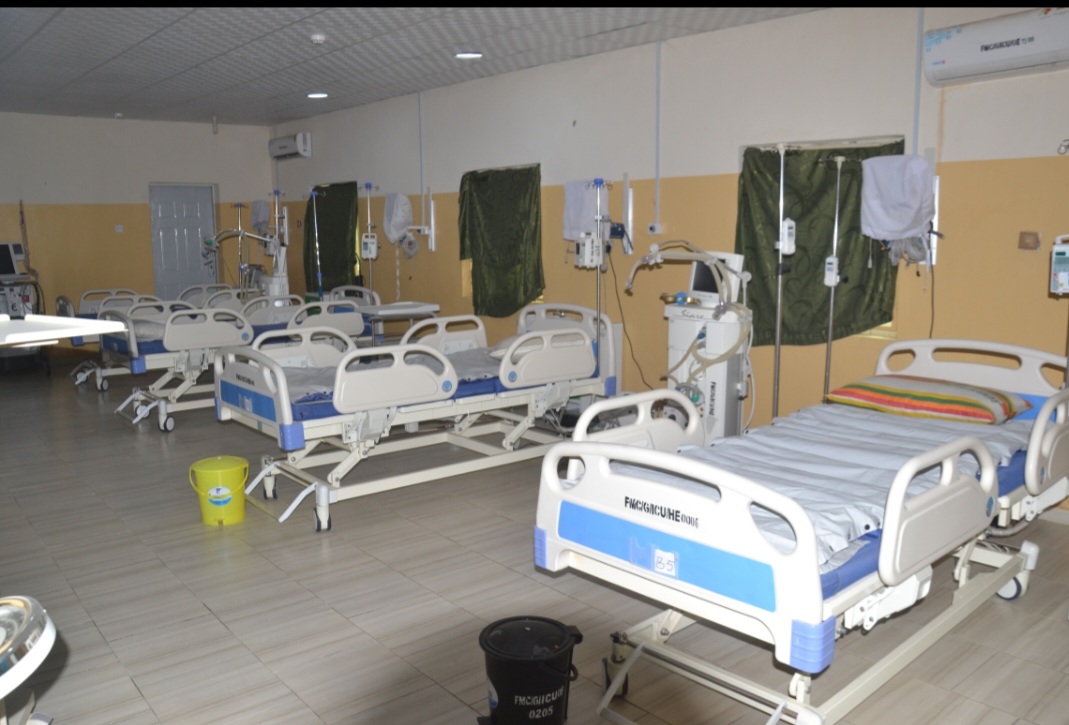
Beyond the balance sheets, Lawal’s administration has been defined by a State of Emergency approach to infrastructure and security. His Urban Renewal Project has seen the rehabilitation of hundreds of public schools and the total overhaul of general hospitals across the state’s 14 local government areas. To tackle the persistent shadow of banditry, he established the Community Protection Guards, a move that presenters Aremo Olusegun Osoba and Senator Orji Uzor Kalu noted had brought a “respite” to a region once defined by unrest.
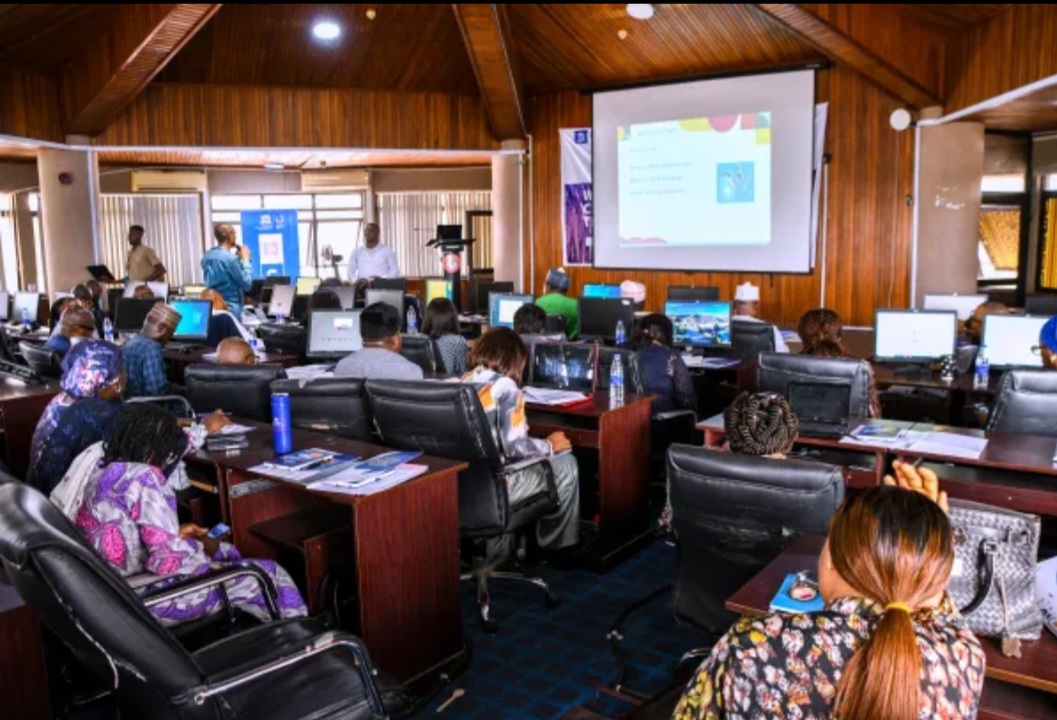

By integrating technology through the Zamfara Information Technology Development Agency (ZITDA), he has also worked to digitize the state’s economy, proving that a technocratic approach can indeed thrive in a traditional political landscape. As he accepted his latest accolade, Lawal remained focused on the road ahead, dedicating the honor to the people of Zamfara and vowing that the Rescue Mission was still in its early chapters.
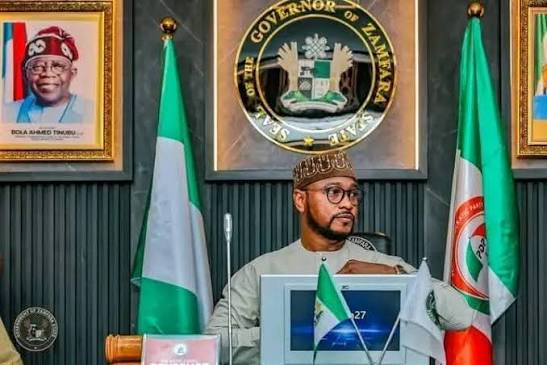
The atmosphere in Zamfara was one of cautious expectation hen Governor Dauda Lawal first took his oath of office in May 2023.
He inherited a state treasury that was practically empty and a civil service paralyzed by N7,000 minimum wages and 13 years of unpaid gratuities. His “First 100 Days” were essentially a high-stakes salvage operation. In those early months, the focus was on immediate stabilization: clearing the most urgent salary backlogs, declaring a state of emergency in education and health, and initiating the “Urban Renewal” project to fix the crumbling roads of Gusau. It was a period of plugging the leaks, characterized by the removal of over 2,000 ghost workers from the payroll and a hard pivot toward fiscal discipline that saw the state’s fiscal performance ranking begin its climb from the bottom of the national ladder.

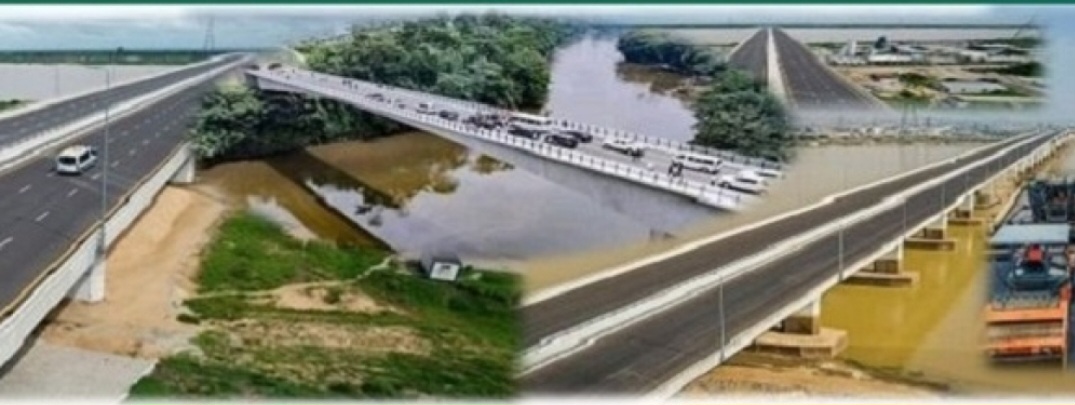
Fast forward to February 2026, and the “Rescue Mission” has matured from emergency repairs into a sophisticated, long-term structural overhaul. The governance style has shifted from reactive to visionary, evidenced by the launch of the ambitious Zamfara State Development Plan (2025–2034)—a 10-year roadmap designed to make the state an economic hub for Northern Nigeria.


The financial transformation is perhaps the most startling metric of this evolution; under Lawal’s watch, Zamfara surged from 36th to 17th in national fiscal performance. This was not achieved by luck, but by a 182% increase in recurrent revenue and a 2026 budget where a staggering 83% is dedicated to capital expenditure. The N7,000 minimum wage of 2023 is now a memory, replaced by a N70,000 standard that reflects the Governor’s belief that “you cannot build a state on the backs of hungry workers.”
The physical and digital landscape of the state has similarly been reimagined.

While the first year saw the birth of the Community Protection Guards to provide immediate security relief, the second year has focused on sustainability—integrating AI-powered fleet management for the state’s new transport buses and waiving Right-of-Way charges to turn Zamfara into a broadband-friendly zone. In education, the administration moved beyond just clearing WAEC backlogs to renovating over 500 schools and settling a decade-old debt to release the results of students stranded since 2014. As Lawal himself noted during his recent award reception, the goal was never just to survive the crisis, but to rekindle hope for the young and dignity for the vulnerable.

Today, the Rescue Mission is no longer just a campaign slogan; it is a documented era of transition from institutional failure to a digital-first, fiscally sound reality.


