







Manny Ita –
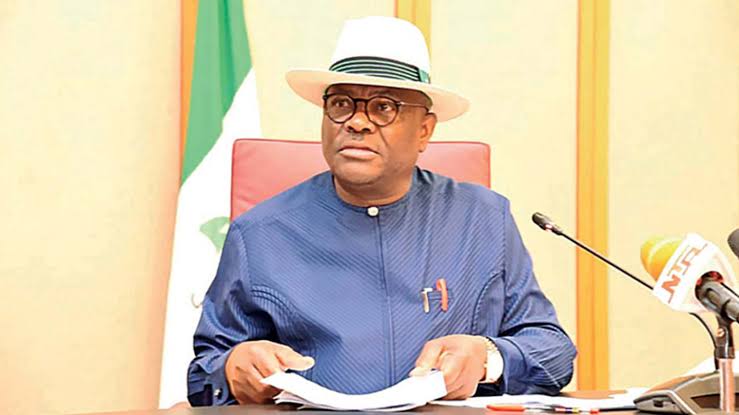
The Minister of the Federal Capital Territory, Nyesom Wike, has underscored a strategic shift toward the rapid development of satellite towns around Abuja, identifying districts such as Kuje, Karu, and Apo-Karshi as emerging hubs for residential and infrastructure expansion aimed at easing pressure on the city center.
Speaking on the ongoing urban development drive, the minister highlighted that the renewed focus on these areas is already yielding measurable improvements in mobility and accessibility, with newly constructed and rehabilitated road networks significantly reducing travel time into central Abuja. “What used to take over an hour can now be achieved in about 25 minutes,” Wike was quoted as saying, adding that “this is part of a deliberate plan to make satellite towns viable alternatives for living and investment.”
The initiative is part of a broader urban planning approach designed to address congestion, rising housing demand, and uneven development within the capital territory. Officials say the expansion of infrastructure into outlying districts will not only decongest the city but also unlock new economic opportunities and attract private sector investment into mid-market housing.
Urban development experts note that the improved connectivity is already reshaping real estate dynamics, with developers and prospective homeowners increasingly turning their attention to these satellite locations. “Accessibility is everything in urban growth,” a real estate analyst said. “Once commute time drops, demand follows, and that is exactly what we are beginning to see in these areas.”
Government sources maintain that the administration is committed to sustaining the pace of infrastructure delivery to ensure that the growth of satellite towns is not only rapid but also structured and sustainable. A senior official involved in the projects stated that “the goal is to create self-sufficient communities with proper road networks, utilities, and social infrastructure, not just bedroom suburbs.”
While the policy direction has been largely welcomed, some stakeholders have called for complementary investments in public services such as healthcare, education, and security to match the pace of physical development. “Infrastructure must go beyond roads,” one observer noted, emphasizing that “livability will ultimately determine whether these areas can truly function as alternatives to the city center.”
As development continues, attention is expected to remain on how effectively the Federal Capital Territory Administration balances expansion with sustainability, even as satellite towns increasingly emerge as the new focal points for Abuja’s residential growth and investment landscape.


