





Manny Ita –
Governor Dauda Lawal is steadily crafting a governance model that ties political strength to tangible development outcomes, in the evolving political landscape of Zamfara State.
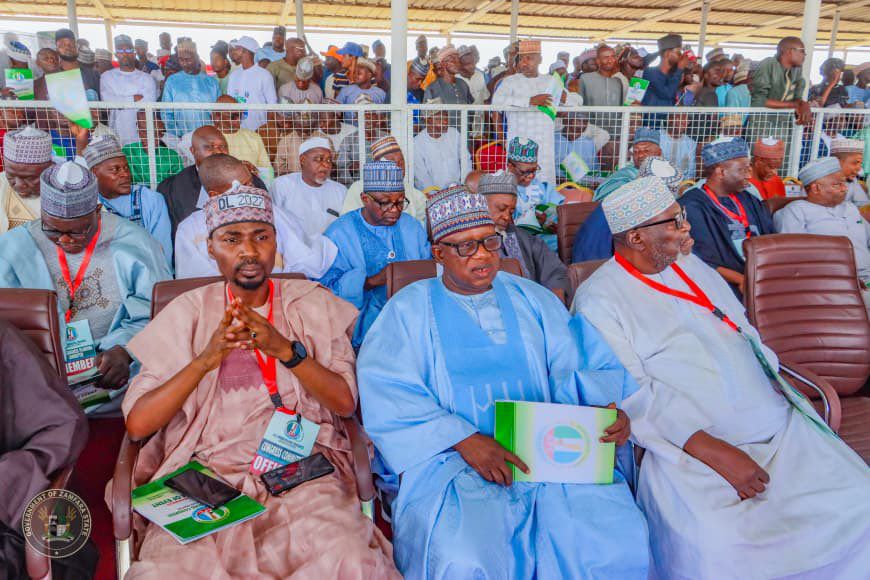

His recent remarks at the All Progressives Congress (APC) state congress in Gusau reinforce a philosophy that has increasingly defined his administration: that a united political base is not just desirable, but essential for effective governance.

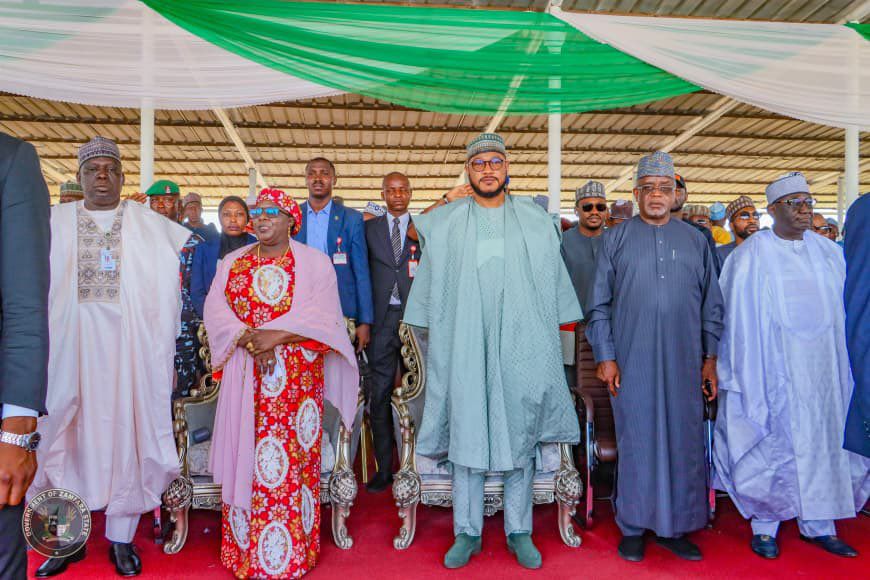
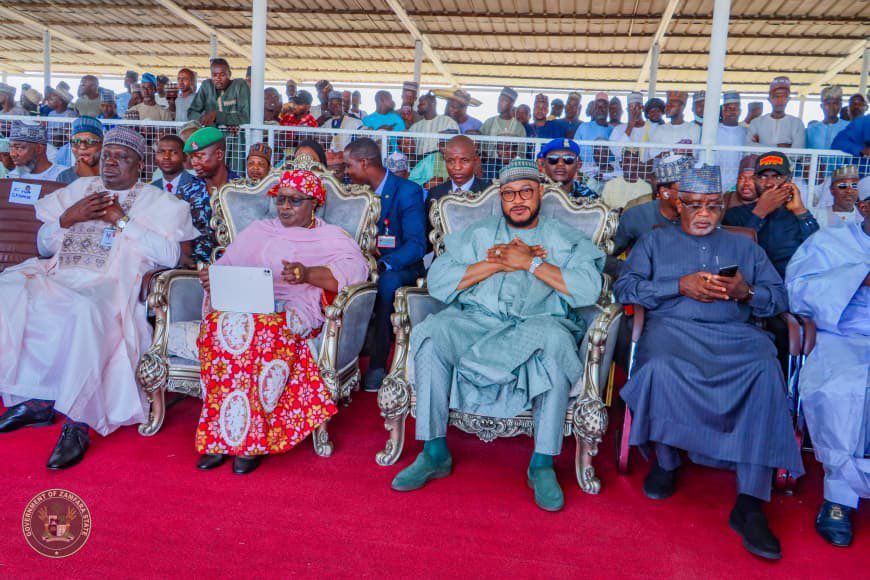
At the well-attended congress—featuring delegates across all 14 local government areas—Governor Lawal described the exercise as a “defining moment” for party cohesion and democratic consolidation. The emergence of a new State Executive Committee through consensus, under the supervision of a committee led by Hadiza Sabuwa Balarabe, underscored a coordinated effort to strengthen internal structures within the party.


Security Stabilization as a Foundation
One of the most pressing challenges inherited by the Lawal administration was insecurity. Through renewed collaboration with federal security agencies and localized intelligence frameworks, the government has intensified efforts to curb banditry and restore confidence in rural communities. While the security situation remains complex, there have been notable improvements in coordinated responses and the reopening of previously inaccessible areas.

Agricultural Revitalization and Rural Focus
Recognizing agriculture as Zamfara’s economic backbone, Governor Lawal has prioritized initiatives aimed at empowering farmers. His administration has facilitated access to inputs, improved extension services, and encouraged partnerships designed to boost productivity. These efforts are gradually repositioning agriculture as both a livelihood source and a driver of economic stability.
Infrastructure and Public Service Delivery
Infrastructure development has also emerged as a visible marker of progress. Road rehabilitation projects, improved public facilities, and targeted investments in rural connectivity reflect a strategy aimed at bridging long-standing development gaps. In tandem, reforms in public service delivery are beginning to enhance efficiency across key sectors.
Healthcare and Education Reforms
In healthcare, the administration has focused on upgrading primary healthcare centers and improving access to essential services. Similarly, in education, efforts to rehabilitate schools and support learning environments signal a commitment to human capital development—an area critical to long-term growth.
Economic Direction and Governance Ethos
Governor Lawal’s governance style emphasizes accountability, inclusiveness, and institutional rebuilding. His call during the APC congress for unity, discipline, and service aligns with a broader push to instill transparency and credibility in governance processes.
His endorsement of the newly elected APC Chairman, Hon. Kabiru Moyi B/Magaji, and the charge for party leaders to see their roles as a “call to service” reflects a leadership approach that seeks to align political machinery with governance outcomes.
A Leadership Defined by Structure and Vision
What distinguishes Governor Lawal’s approach is the deliberate linkage between political organization and developmental ambition. By strengthening party cohesion, he appears intent on minimizing internal friction and maximizing policy execution.
As Zamfara continues its journey through security challenges and developmental demands, the administration’s dual focus on political stability and socio-economic reform may well determine the state’s pace of transformation.
In a region where governance often contends with volatility, Dauda Lawal is positioning leadership as both a stabilizing force and a catalyst for growth—an approach that is gradually redefining expectations of public office in Zamfara.