

Manny Ita –
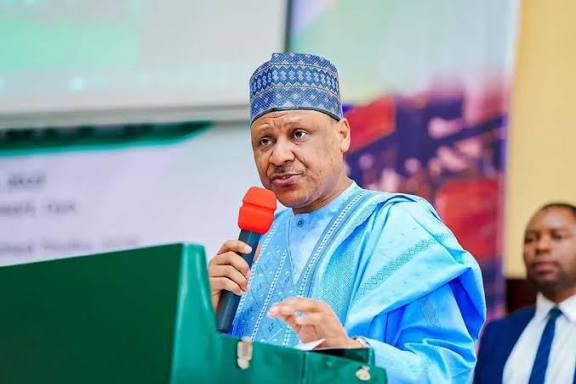
Muhammed Idris, the honorable Minister of Information, has pledged to leverage all government media channels to promote the adoption of renewable energy across the country, in line with a recent legislative push supporting green energy projects within ministries, departments, and agencies (MDAs). The announcement underscores the federal government’s intention to accelerate the transition toward sustainable energy solutions and raise public awareness on the benefits of clean energy adoption.
Speaking at a briefing in Abuja, Idris emphasized the role of information dissemination in fostering behavioral change and supporting national policy objectives. “We will use every platform at our disposal—television, radio, digital media, and public campaigns—to educate Nigerians about renewable energy and the opportunities it presents for economic growth, environmental protection, and energy security,” he said.
The Ministry highlighted that this initiative is aligned with recent legislation mandating MDAs to integrate renewable energy projects, including solar, wind, and other sustainable technologies, into their operations. Officials noted that the media campaigns would spotlight successful implementations, demonstrate cost-effectiveness, and encourage private-sector participation in green energy projects.
Energy experts welcomed the commitment, noting that public awareness is critical for adoption. “Legislation alone is not sufficient. Citizens, businesses, and institutions must understand the benefits and practical applications of renewable energy to drive meaningful change,” said an energy policy analyst familiar with federal initiatives.
The Ministry of Information plans to coordinate with the Ministry of Power and other relevant agencies to develop a comprehensive media strategy. This will include educational programs, feature stories on renewable energy projects, and coverage of ongoing government efforts to reduce reliance on fossil fuels. Idris emphasized that the campaigns would be sustained over the long term to ensure that renewable energy becomes an integral part of national development planning.
Observers noted that the government’s proactive communication strategy could catalyze broader participation in renewable energy projects, attract investment, and accelerate Nigeria’s transition toward a low-carbon economy. By highlighting success stories and providing clear guidance, the campaigns aim to address misconceptions and barriers that have traditionally slowed adoption.
The initiative is expected to coincide with further policy directives and funding mechanisms intended to facilitate the deployment of renewable energy infrastructure across federal institutions, with the ultimate goal of enhancing national energy resilience while promoting environmental sustainability.
