





Manny Ita –
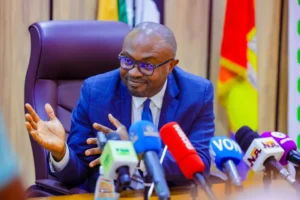
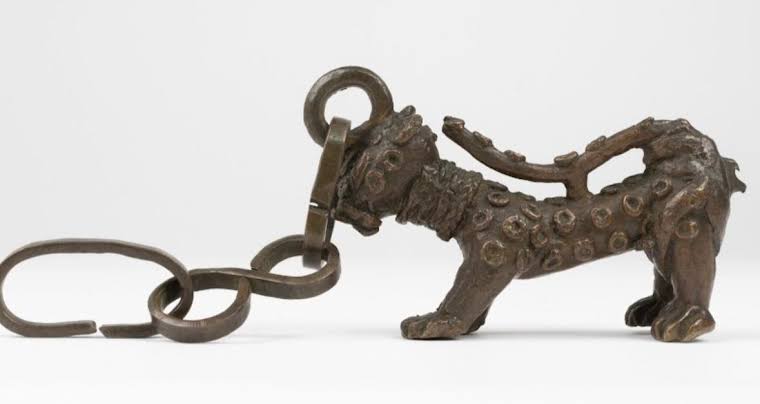
Cambridge University has formally transferred the legal ownership of 116 Benin artefacts to the Federal Government of Nigeria, marking one of the most significant acts of cultural restitution in the institution’s history. The collection, which comprises a diverse array of prized bronzes and intricate ivories, was originally seized by British forces during the 1897 punitive expedition against the Kingdom of Benin. The transfer was solidified during a high-profile ceremony held at the university’s Museum of Archaeology and Anthropology, attended by Nigerian diplomats and traditional representatives from the Royal Court of Benin. Director-General of the National Commission for Museums and Monuments (NCMM), Olugbile Holloway, accepted the legal titles on behalf of the Nigerian state, characterizing the event as a pivotal moment in the nation’s cultural narrative. “These objects are not just art; they are the living history and soul of the Edo people,” Holloway stated during the handover. “Today is a restoration of dignity and a recognition that the history of a people cannot be permanently held in a foreign land.”
The decision to return the artefacts followed years of intensive dialogue and academic research into the provenance of the university’s African collections. While the legal title has now moved to the NCMM, a small selection of the items will remain at Cambridge on a temporary loan basis to facilitate ongoing collaborative research and international exhibition projects. However, the university confirmed that the vast majority of the 116 pieces are slated for physical repatriation to Nigeria within the coming months. These items are expected to serve as centerpieces for the new Edo Museum of West African Art (EMOWAA) in Benin City, a facility designed to provide world-class conservation and public access to returned treasures. “We are committed to a future where these works are used to educate a global audience about the sophistication of the Benin Kingdom,” a university spokesperson remarked, adding that the move reflects a broader institutional commitment to addressing colonial legacies.
This latest development adds momentum to the global movement for the return of looted cultural property, following similar actions by German museums and other British institutions. In Benin City, the news was met with celebration by traditional authorities, who have long maintained that the bronzes hold deep spiritual and ancestral significance beyond their aesthetic value. The NCMM has indicated that it is currently coordinating with international logistics partners to ensure the safe transit of the delicate bronzes and ivories across the Atlantic. “The return of these 116 pieces is a victory for diplomacy and justice,” Holloway concluded, noting that the commission remains in active negotiations with several other European museums for the recovery of thousands of remaining artefacts.