






Manny Ita –
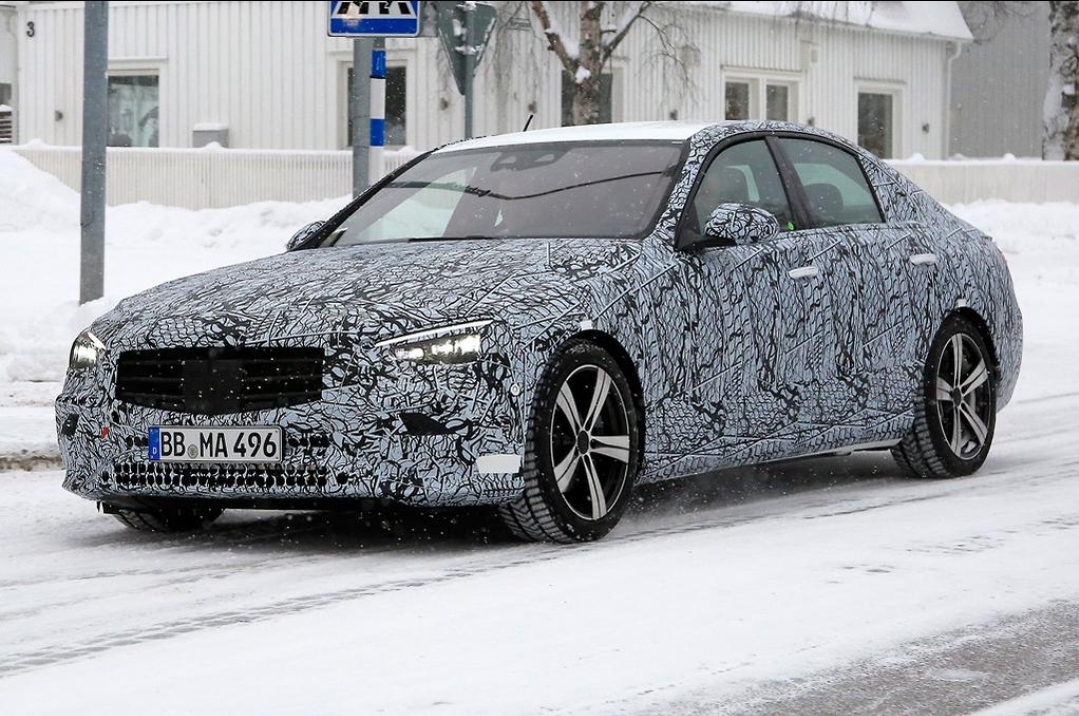
Mercedes-Benz has officially signaled a major departure from the controversial “One-Bow” aerodynamic design language that defined its initial EQ electric vehicle range. Following lukewarm market reception and internal reviews of the “egg-shaped” silhouettes seen on the EQS and EQE, the German automaker is pivoting toward a “unified design” strategy for its 2027 model year. This shift will effectively erase the visual divide between internal combustion engine (ICE) and electric vehicle (EV) models, reintroducing the muscular, three-box proportions and upright statures that historically defined the brand’s luxury identity.
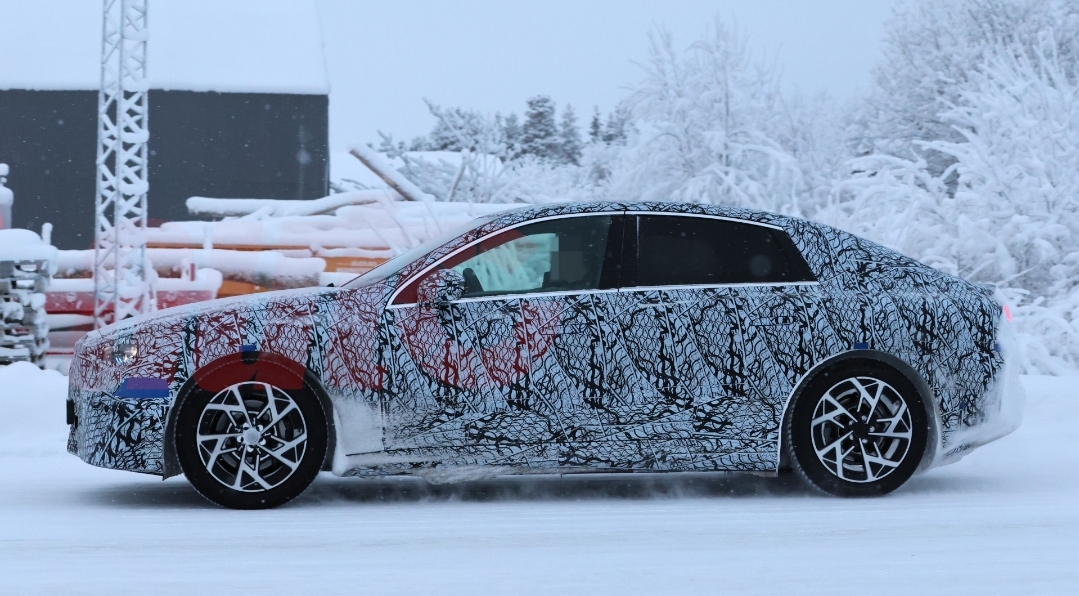

The first major beneficiary of this aesthetic overhaul is the upcoming 2027 C-Class EV, recently spied during sub-zero testing in the Arctic Circle. While the current generation of Mercedes electric sedans prioritized ultra-low drag coefficients above all else, the new prototypes reveal a distinct, flatter hood line and a more vertical front fascia. Central to this “new chapter” is the return of a formal, prominent grille. Moving away from the blanked-out black panels of the past, the 2027 C-Class and GLC models will feature an “iconic grille” that can be illuminated, housing up to 942 polycarbonate backlit dots and traditional horizontal slats. Chief Design Officer Gorden Wagener characterized this move as an effort to “redefine the brand’s face by reimagining and preserving one of the most iconic design elements in automotive history.”
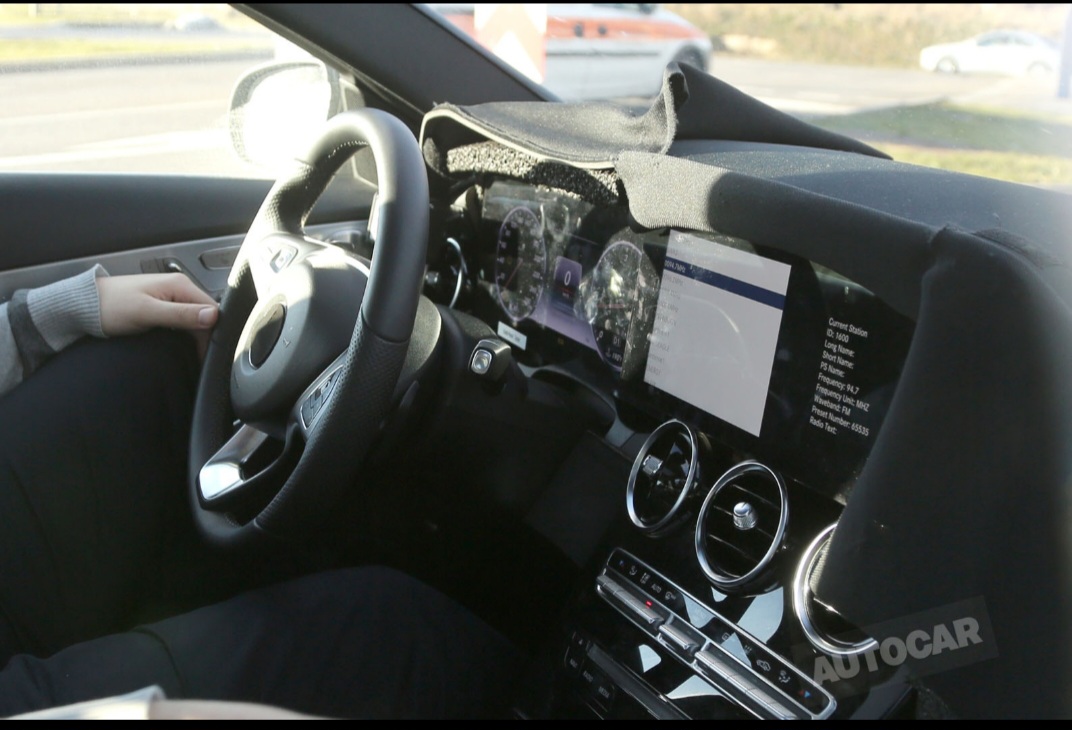

This strategic retreat from extremist aerodynamics is a direct response to customer feedback and a global “recalibration” of the brand’s EV rollout. Mercedes-Benz CEO Ola Källenius noted that the brand is now focused on blending the two worlds, stating that the latest product-launch program—the largest in the company’s history—is designed to ensure future electric cars “meet in the middle” with their combustion siblings. By adopting sharper lines and taller hoods, Mercedes aims to reclaim the “timeless, elegant look” that critics argued was lost in the pursuit of efficiency. “Mercedes has learned that an EV-exclusive design is ineffective when the result is an amorphous blob,” noted industry analysts regarding the leaked 2027 prototypes.
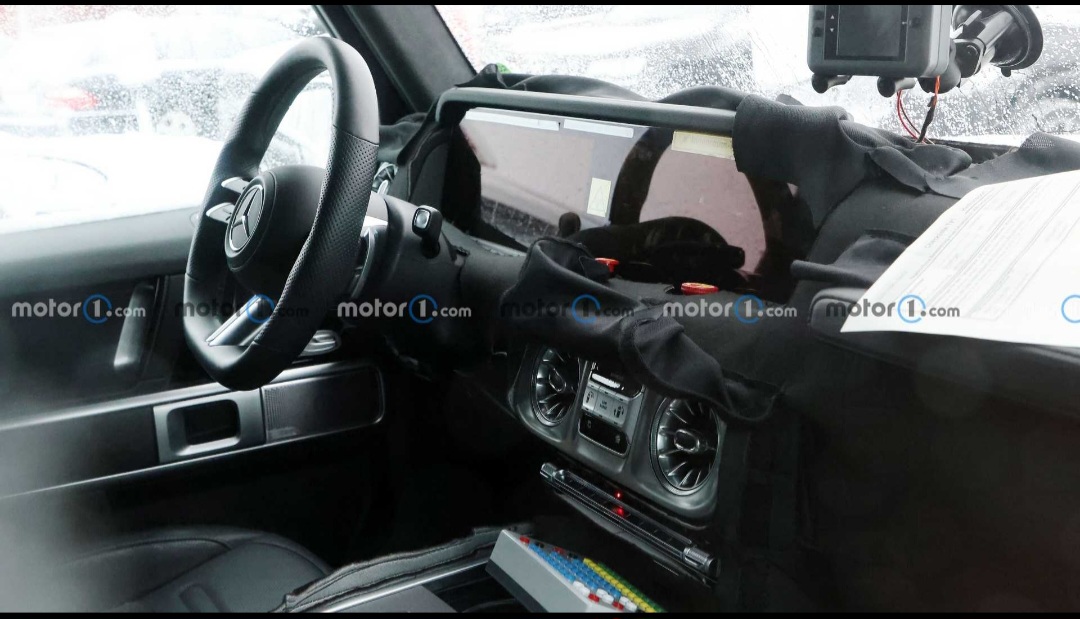

The 2027 S-Class flagship further cements this direction. Despite featuring more than 50% newly developed components, the vehicle preserves its long-bonnet, stately silhouette, avoiding the polarizing curves of its predecessor. Mercedes-Benz CTO Markus Schäfer confirmed the strategy of running platforms in parallel, allowing for a shared aesthetic across the E-Class and S-Class lineages. This ensures that whether a customer chooses a high-performance V8 or an 800-volt electric powertrain, the vehicle maintains the “stately and restrained” authority expected of the three-pointed star. As the brand prepares to launch 40 new or heavily revised models by late 2027, the message is clear: the era of the “aero-look” is over, replaced by a return to the classic, powerful architecture that built the Mercedes-Benz legacy.