




As preparations intensify for the 2026 Ojude Oba Festival, FCMB Group Plc has praised the cultural celebration for its growing impact in preserving heritage, promoting social cohesion and stimulating economic activities across communities.
The financial institution described the globally recognised festival as a strong symbol of African cultural confidence and identity, noting that its influence now extends beyond tradition into tourism, enterprise and creative industries.
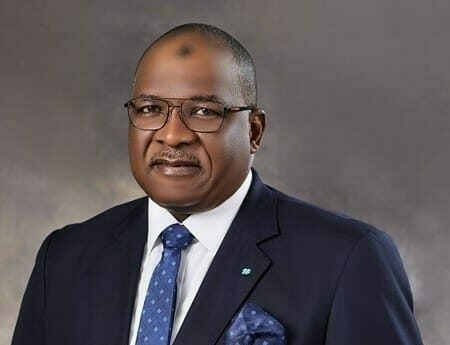
Speaking ahead of the festival scheduled for May 29 in Ijebu-Ode, Ogun State, FCMB’s Divisional Head of Corporate Affairs, Diran Olojo, said Ojude Oba has evolved into a modern cultural institution that connects heritage with contemporary relevance.
“Ojude Oba is no longer simply a cultural festival,” Olojo said. “It has become a powerful expression of how African culture continues to evolve without losing its roots. What we are witnessing is the meeting point of heritage and modern identity, where tradition is not preserved as nostalgia, but lived confidently and projected to the world.”
This year’s edition, themed “Celebrating the Legacy of Oba Sikiru Adetona,” will honour the late Awujale of Ijebuland, Oba Sikiru Kayode Adetona, whose reign helped transform the festival into one of Africa’s most celebrated cultural events, attracting tourists, creatives, entrepreneurs and investors from around the world.
FCMB noted that its relationship with the festival spans more than two decades, adding that the support has always reflected the Group’s recognition of the importance of enduring cultural institutions in preserving collective memory and supporting economic development.
According to the Group, Ojude Oba now sustains a wide network of economic activities across hospitality, transportation, fashion, catering, photography, entertainment and tourism sectors.
“At a time when nations are searching for authentic expressions of identity and influence, culture has become one of Africa’s strongest assets,” Olojo stated.
“Festivals like Ojude Oba demonstrate that heritage and enterprise are not separate conversations. Culture creates emotional connection, but it also creates opportunity, visibility, confidence and economic value for communities.”
FCMB also observed that younger Africans are increasingly embracing tradition as a form of identity and self-expression rather than obligation, contributing to the festival’s growing popularity among global audiences and the African diaspora.
The Group referenced cultural figure Farooq Oreagba as one of the personalities whose appearances at the festival have helped amplify Ojude Oba’s global visibility and contemporary appeal.
FCMB further paid tribute to the late Awujale for preserving the institution’s dignity over decades, while commending the Regent Awujale and Ogbeni Oja of Ijebuland, Olorogun (Dr.) Sonny Kuku, for sustaining the kingdom’s cultural vision during the transition period.
The Chairman of the Ojude Oba Festival Organising Committee, Chief Olu Okuboyejo, described the event as a symbol of unity and continuity among the Ijebu people.
“Ojude Oba remains one of the greatest cultural assets of the Ijebu people and an important contribution to Nigeria’s cultural diplomacy,” he said.
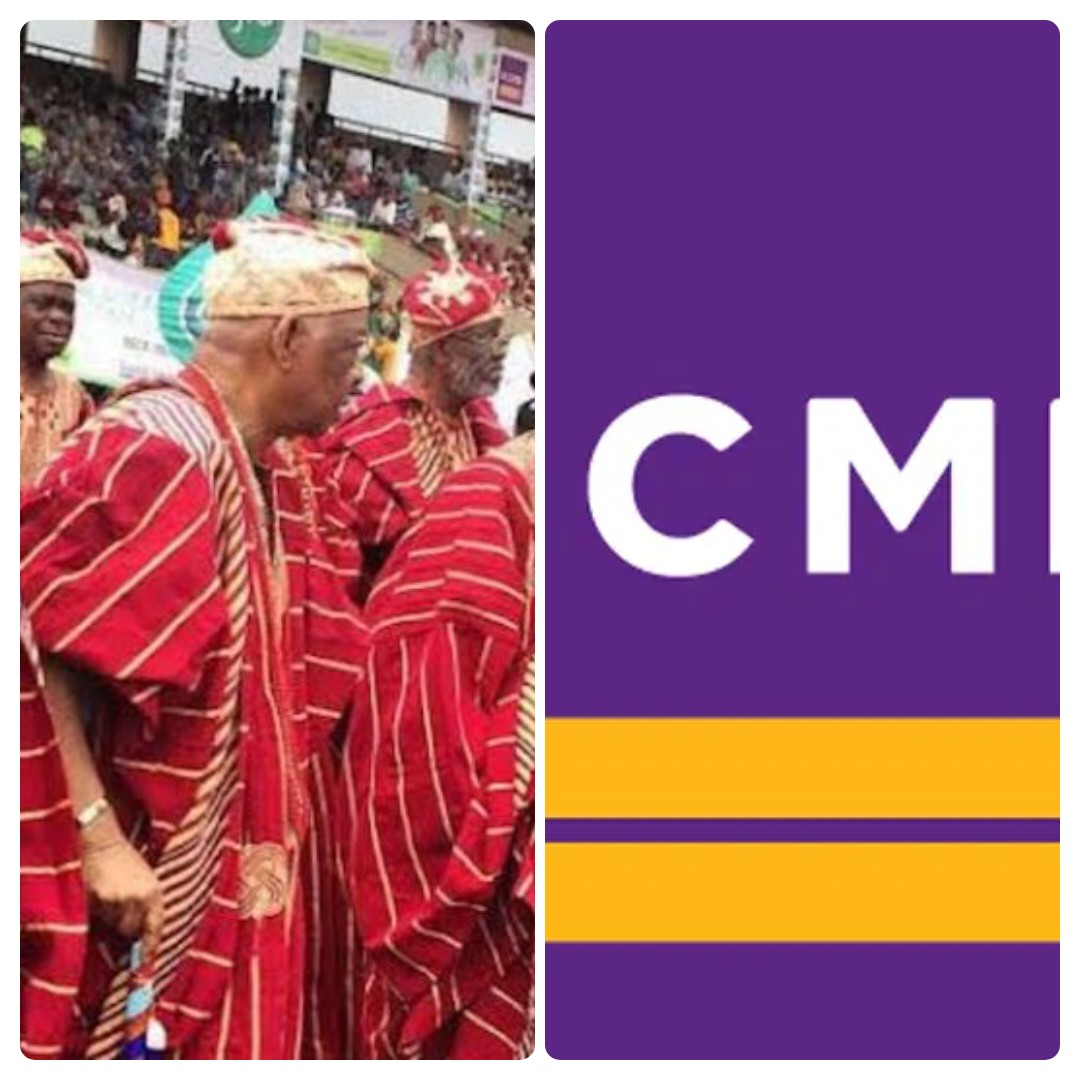
He disclosed that about 90 age-grade groups and 25 warrior families are expected to participate in this year’s celebrations.
FCMB also acknowledged the contributions of the Ogun State Government, the festival organising committee, community leaders and regberegbe groups for sustaining one of Nigeria’s most enduring cultural landmarks.