







Manny Ita —
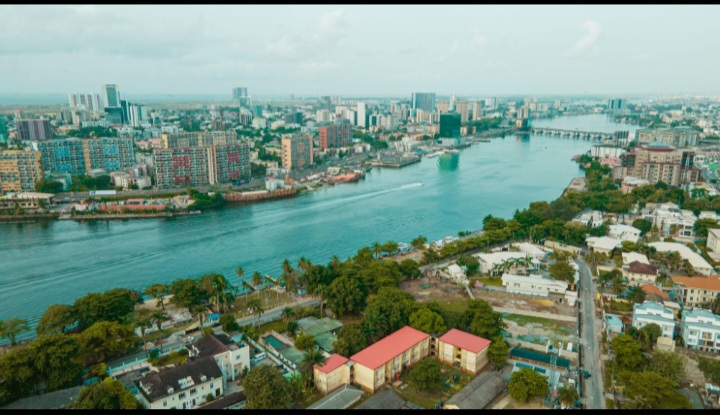
Lagos State has been ranked the best state for doing business in Nigeria, according to a new nationwide assessment of business environments.
The report, unveiled in Abuja during the 2026 Reform and Diplomatic Roundtable organised by the Presidential Enabling Business Environment Council in partnership with development stakeholders, placed Lagos firmly at the top. Other top-performing states include Kaduna State, Oyo State, the Federal Capital Territory, Ogun State, Enugu State, Plateau State, Ekiti State, Kano State, and Nasarawa State.
What the report highlights
The study emphasizes that Nigeria’s economic future depends heavily on how well individual states support businesses on the ground—not just federal reforms.
“Nigeria’s business environment remains central to the country’s economic resilience and long-term growth prospects. With more than 39 million Micro, Small and Medium-sized Enterprises (MSMEs) operating across states, how each subnational is performing has never been more important.”
It further explains that the report goes beyond rankings:
“This assessment adds to that goal by offering more than a scorecard. It provides a grounded, evidence-based view of how Nigeria’s states are enabling businesses, where progress is emerging and where challenges continue to hold firms back. The analysis relies primarily on secondary data that captures the adoption of technology, automation and digitalisation in public service delivery.”
Why Lagos ranked No. 1
Lagos State secured the top spot due to:
Strong infrastructure (airports, rail, logistics)
Better electricity access
Efficient land administration
Functional commercial courts
Skilled workforce and large market access
However, the report also pointed out some challenges, including:
Touting and loitering around business hubs
Weak investor aftercare systems
Uneven digital connectivity in some areas
“The presence of unauthorized individuals loitering around key business and logistics touchpoints creates an environmental nuisance… creating an insecure environment.”
The South-West region dominated the rankings, producing four of the top 10 states. Enugu State stood out as the only South-East state on the list, with strengths in digital connectivity and workforce development, though it still struggles with access to credit and investor support.
The report used 16 major indicators—including electricity, taxation, infrastructure, trade logistics, and digital services—to assess performance across states. It also outlines key reforms like:
Digitising land processes
Expanding access to credit
Improving logistics and transport
Strengthening dispute resolution systems
Overall, the findings reinforce that while national policies matter, real business growth in Nigeria depends largely on how states create practical, business-friendly environments.


