







Manny Ita –
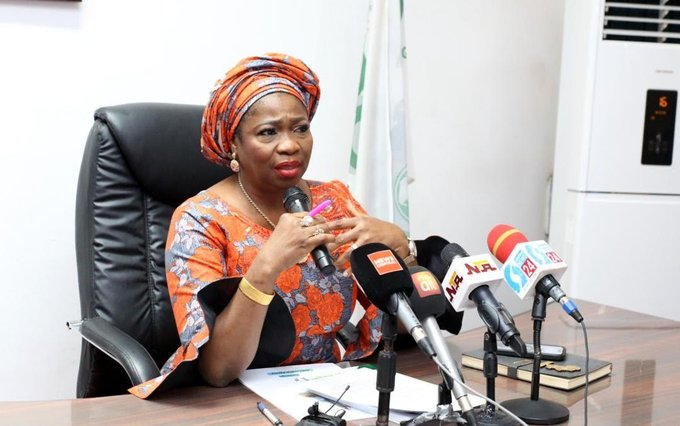
The Nigerian government has formally intervened following the detention of 42 of its citizens in Mozambique, alleging that the arrests may be rooted in xenophobic targeting rather than criminal suspicion. The Nigerians in Diaspora Commission (NiDCOM) reported that the individuals were apprehended at a spare parts market, yet no formal charges have been brought against them. NiDCOM Chairman Abike Dabiri-Erewa characterized the situation as a selective enforcement action, noting that the detainees are verified lawful residents of the Southern African nation.
In a statement issued from Abuja on Sunday, Dabiri-Erewa expressed significant concern over the nature of the roundup, asserting that the focus on a single nationality suggests a deeper systemic issue. “It is distasteful to learn that only Nigerians were allegedly handpicked for arrest,” she stated, further arguing that “if they run afoul of the law, the authorities should arraign and charge them before a court of law.” The commission maintains that the absence of a clear legal process and the specific targeting of these individuals indicates a “xenophobic attack on Nigerian citizens.”
Reports gathered by the commission also highlight deteriorating conditions for those in custody. Several detainees have reportedly fallen ill and are in need of medical attention, while others have alleged physical abuse during the arrest process and the theft of personal belongings. Nigeria’s Attorney-General has confirmed that the office remains unaware of any formal legal filings against the group. Consequently, the Nigerian government has called upon Mozambican authorities to investigate the conduct of the arresting officers and facilitate an immediate release pending any legitimate legal proceedings.
This incident has reignited broader fears regarding anti-foreigner sentiment within the Southern African region, drawing parallels to historical outbreaks of violence in neighboring territories. Observers note that such targeted arrests echo previous cycles of unrest in South Africa, including the widespread looting and violence recorded in 2015 and 2019. “The reported sudden and specific round-up of only Nigerians depicts a xenophobic attack,” Dabiri-Erewa reiterated, emphasizing that the Nigerian government expects its citizens to be treated according to international standards of due process and human rights.


