






Manny Ita –
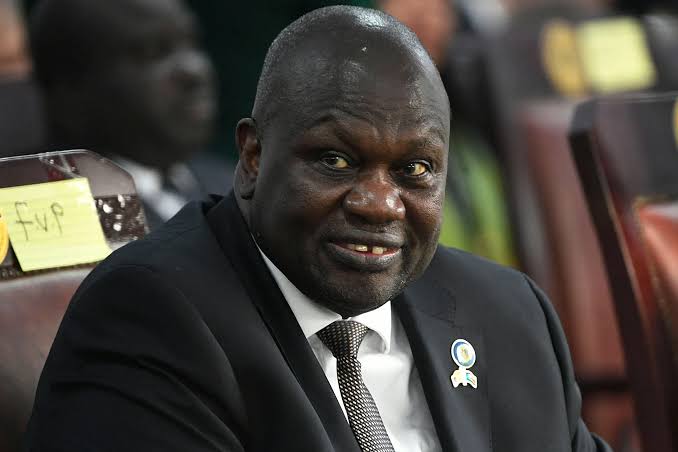
The Federal Government of Nigeria has formally called for the immediate release of detained First Vice President Riek Machar, warning that his continued confinement could deepen instability in South Sudan and threaten fragile peace efforts in the region. The appeal was conveyed through diplomatic channels and reinforced in a statement by Nigeria’s Ministry of Foreign Affairs, which stressed the urgent need for dialogue among South Sudan’s political actors.
According to the statement, Nigeria expressed “grave concern” over reports surrounding Machar’s detention, noting that his role as a principal signatory to the peace agreement makes his participation indispensable to the country’s transitional process. The government emphasized that “sustainable peace can only be achieved through inclusive political engagement and respect for existing agreements,” urging all parties to exercise restraint and prioritize national unity.
Nigeria further cautioned that the situation risks reversing gains made since the 2018 Revitalized Peace Agreement that ended years of civil war between forces loyal to President Salva Kiir and those aligned with Machar. Officials warned that any breakdown of the power-sharing arrangement could trigger renewed violence with humanitarian consequences extending beyond South Sudan’s borders.
Reaffirming its longstanding commitment to African stability, Nigeria called on regional bodies, including the African Union and the Intergovernmental Authority on Development (IGAD), to intensify mediation efforts. The statement noted that coordinated diplomatic pressure is essential to preserving the peace framework and preventing further deterioration of security conditions.
“Nigeria stands ready to support all constructive initiatives aimed at restoring calm and advancing reconciliation,” the ministry said, adding that the protection of civilians and adherence to constitutional processes must remain paramount. Observers say Abuja’s intervention reflects broader continental anxiety that instability in South Sudan could undermine security across East and Central Africa if left unresolved.
The Nigerian government concluded by urging the immediate restoration of full political freedoms for all detained leaders and reaffirmed that “the future of South Sudan depends on dialogue, compromise, and the faithful implementation of the peace agreement.”


