





Manny Ita –
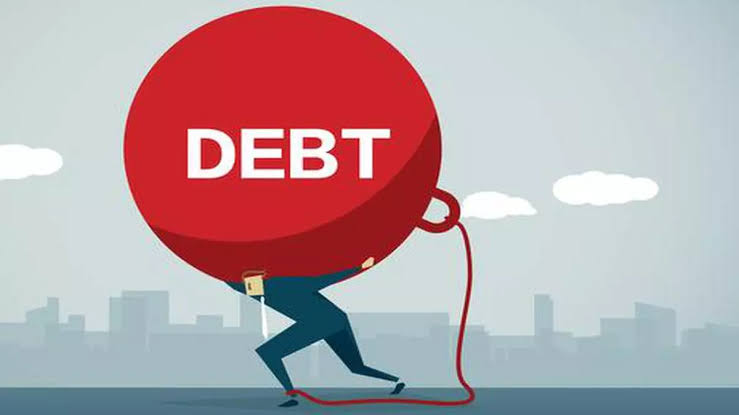
Nigeria’s fiscal outlook has come under renewed scrutiny following reports that the Federal Government has increased its planned borrowing for the 2026 fiscal year by an additional ₦11 trillion, pushing the total projected borrowing to about ₦29.20 trillion.
The development is tied to adjustments in the 2026 budget framework presented by the administration of Bola Ahmed Tinubu, as the government seeks to bridge widening fiscal gaps driven by revenue shortfalls, subsidy-related obligations, and rising public expenditure. Officials say the expanded borrowing plan is necessary to finance critical infrastructure projects, social programs, and ongoing economic reforms aimed at stabilizing the economy.
According to budget and finance insiders, the increase reflects the government’s attempt to cushion the effects of persistent macroeconomic pressures, including inflation, exchange rate volatility, and fluctuating oil revenues. With crude oil still accounting for a significant portion of national income, any instability in global oil prices continues to directly affect Nigeria’s fiscal strength.
However, the revised borrowing figure has triggered strong reactions from economists, financial analysts, and policy experts, many of whom have raised concerns about the sustainability of Nigeria’s growing debt profile. Analysts warn that the country’s debt servicing obligations are already consuming a large share of government revenue, leaving limited fiscal space for development spending.
Recent data from the Debt Management Office Nigeria indicates that Nigeria’s total public debt has been on a steady upward trajectory in recent years, fueled by both domestic and external borrowing. Critics argue that while borrowing is not inherently harmful, the key issue lies in how effectively the funds are utilized and whether they generate sufficient economic returns to justify the debt.
Some economists have also expressed concern over the increasing reliance on domestic borrowing, which could crowd out private sector investment by driving up interest rates. Others caution that excessive external borrowing may expose the country to foreign exchange risks, especially given the volatility of the naira.
On the other hand, government officials maintain that Nigeria’s debt-to-GDP ratio remains within manageable limits compared to global benchmarks. They argue that the focus should be on improving revenue generation through tax reforms, expanding the non-oil sector, and enhancing efficiency in public spending rather than solely criticizing borrowing levels.
The situation has sparked a broader national conversation about fiscal discipline, economic diversification, and the need for structural reforms. Stakeholders are calling for greater transparency, accountability, and strategic investment to ensure that borrowed funds translate into tangible economic growth and improved living standards.
As discussions continue, attention is expected to shift to the National Assembly, where lawmakers will review and debate the revised borrowing plan as part of the broader budget approval process. The outcome of these deliberations will play a crucial role in shaping Nigeria’s economic direction in the coming year.