






Manny Ita –
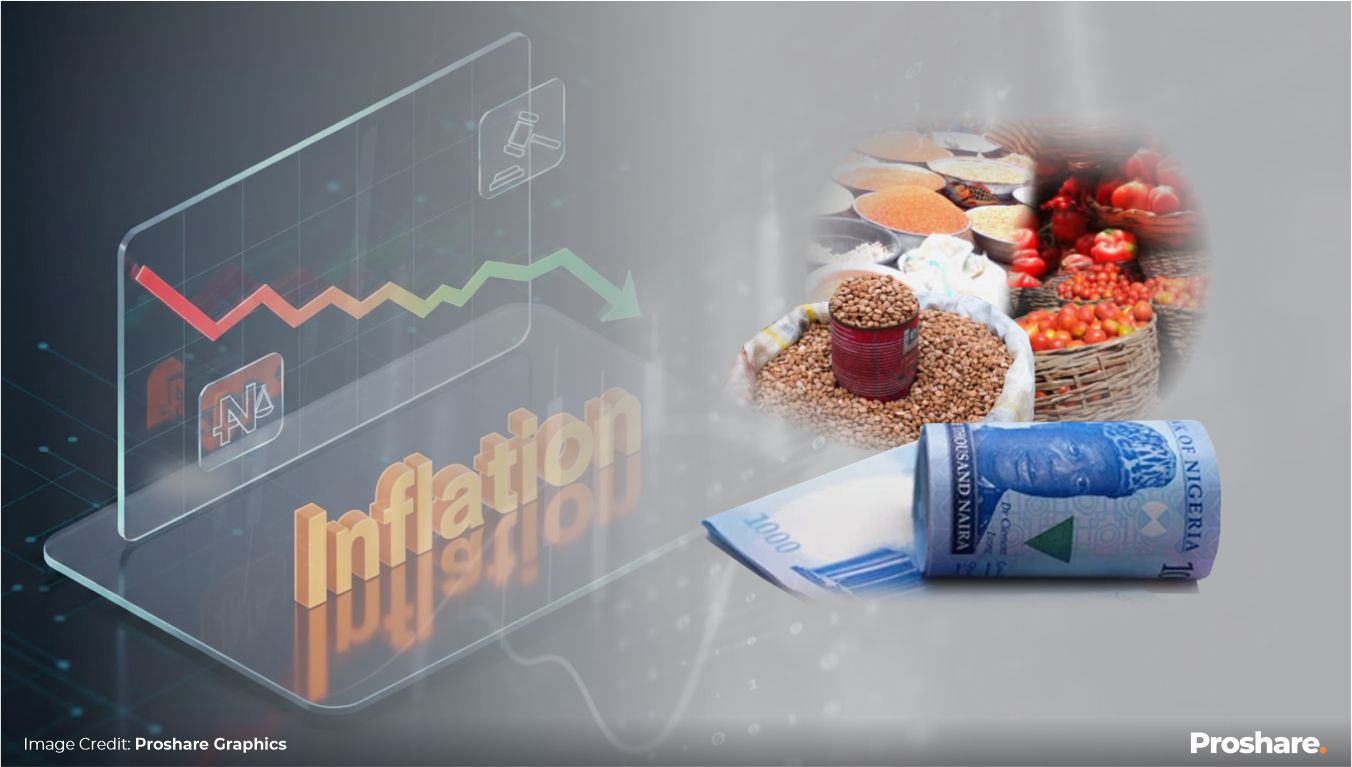
New data released by the National Bureau of Statistics (NBS) shows that food inflation in Nigeria rose to 12.12% in February 2026, marking a slight increase compared to January’s figures.
The report indicates that while prices of food items have continued to rise, the overall inflation level remains significantly lower than the sharp spikes recorded in early 2025, when food inflation surged to around 37%. This suggests a gradual easing of extreme price pressures, even though the market is still experiencing underlying instability.
According to the NBS, the movement in food inflation reflects ongoing changes in supply and demand conditions across key agricultural and distribution channels. Factors such as transportation costs, seasonal supply variations, and market adjustments are believed to be influencing the current price trend.
Despite the moderate increase, analysts interpret the data as a sign of partial stabilization, with inflation no longer experiencing the extreme volatility seen in the previous year. However, they caution that the current rate still places pressure on household purchasing power, particularly for low- and middle-income families.
Staple food items continue to contribute most to the inflation basket, with consumers still feeling the impact of fluctuating prices in grains, proteins, and processed food products.
The report suggests that while inflationary pressures are gradually easing compared to 2025 peaks, sustained policy measures and improved food supply systems will be necessary to maintain long-term price stability in the country.