






Manny Ita –
A six-month entrepreneurship programme aimed at transforming underserved women from informal petty trading into sustainable small and medium-scale business owners is gaining attention in Warri, Delta State, Nigeria, as stakeholders highlight its potential to reshape grassroots economic participation across the Niger Delta.
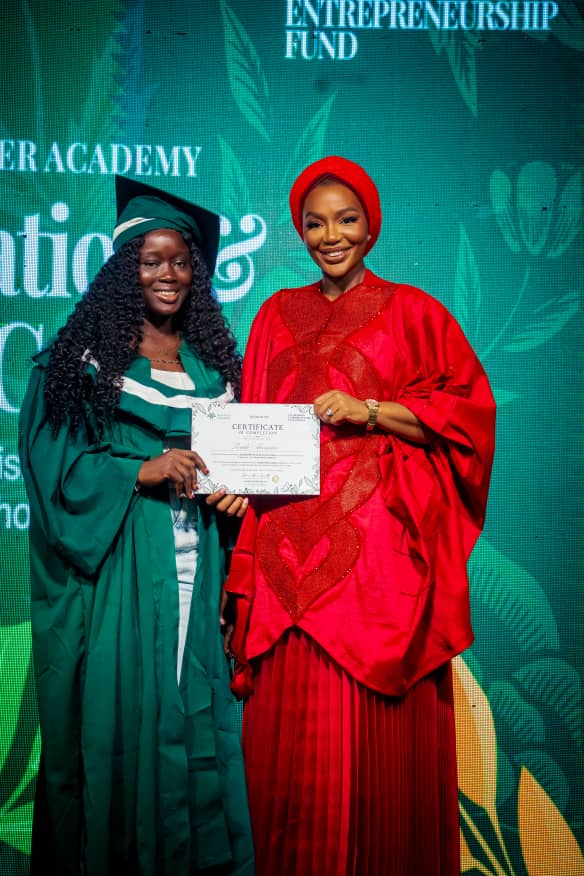
The initiative, implemented by the Royal Iwere Foundation (RIF), focuses on equipping women with the knowledge, mindset and practical tools required to move beyond subsistence trading into structured and scalable enterprises. The programme forms part of a broader economic empowerment strategy championed by Olori Atuwatse III, who serves as the Visioner and Chief Executive Officer of the foundation.
Organisers say the curriculum was developed to address the structural barriers that often prevent women in underserved communities from expanding their businesses, including limited access to training, financing, mentorship and formal market structures.
According to Olori Atuwatse III, the programme goes beyond traditional business training by prioritising personal transformation as a key element of entrepreneurial success.
“When a woman begins to see herself differently, everything about her possibilities begins to change. EstablishHER was created to help women rediscover their worth, their strength, and their capacity to build something meaningful not only for themselves but for their families and communities,” she said.
The training structure is built around three progressive stages—EstablishHER, UpscaleHER and UnleashHER—designed to guide participants through business formation, growth strategies and leadership development. Participants receive training in areas such as branding, financial management, digital commerce, mindset development and trauma healing.


Officials of the Royal Iwere Foundation say the programme is intended to create long-term economic resilience among women who previously relied on informal or small-scale trading activities to sustain their households.
Chief Operations Officer of the foundation, Ogechukwu Ezeobiorah, explained that the broader goal of the initiative is to cultivate entrepreneurs capable of building durable enterprises and contributing to local economic development.
“EstablishHER is not simply about training women to start businesses. It is about nurturing resilient leaders who can build enduring enterprises. When women are empowered with the right mindset, skills and support systems, the ripple effect of that empowerment is felt across entire communities,” she said.

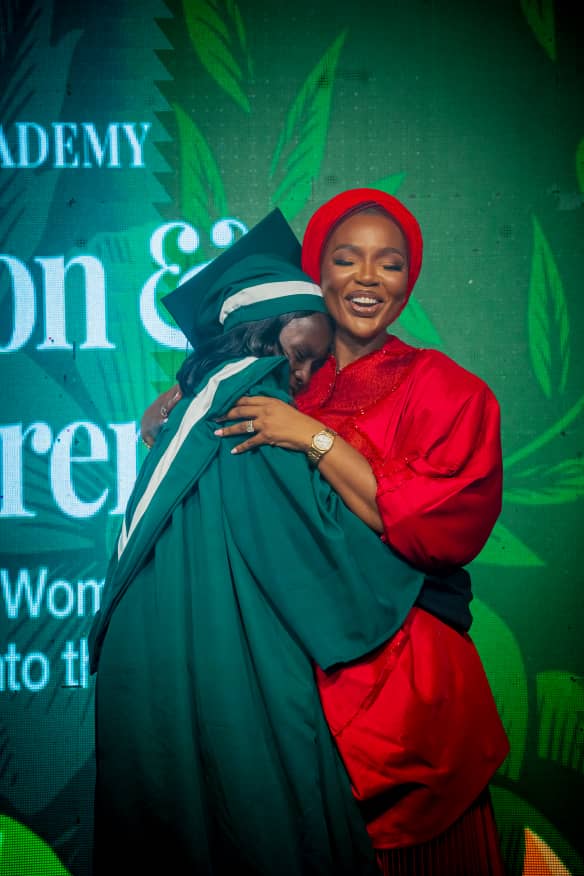
Programme coordinators say the initiative has already recorded measurable impact across several sectors including agribusiness, fashion and digital commerce. According to foundation data, the project has reached more than 5,500 women and supported the growth of over 1,700 businesses since its launch.
Project Lead Joshua Eze noted that the transformation experienced by many participants reflects the programme’s emphasis on confidence building and structured mentorship.
“Watching these women evolve from uncertainty to confidence has been one of the most rewarding aspects of this work. What we are building here is a pathway for women to move from survival-based trading to structured entrepreneurship,” he said.
Beyond training, the initiative also integrates financial support mechanisms and post-programme mentorship designed to help participants sustain and expand their enterprises. Graduates of the programme are connected through an alumni network that provides continued access to business advisory services, partnerships and investment opportunities.
Development experts say initiatives focused on strengthening women-led enterprises can have far-reaching economic benefits in Nigeria, particularly in regions where informal commerce remains a dominant source of livelihood for many households.
As the programme continues to expand across the Niger Delta, organisers say the long-term objective is to create a network of women entrepreneurs capable of generating employment, strengthening local economies and building intergenerational prosperity within their communities.A six-month entrepreneurship programme designed to help underserved women move from informal petty trading into structured small and medium-scale enterprises is gaining attention in Warri, Delta State, Nigeria, as part of a broader effort to strengthen grassroots economic participation in the Niger Delta.
The initiative, implemented by the Royal Iwere Foundation (RIF), provides a structured curriculum aimed at equipping women with business development skills, financial literacy and entrepreneurial leadership tools required to build sustainable enterprises.
The programme is championed by Olori Atuwatse III, Visioner and Chief Executive Officer of the foundation, who described the project as an intervention designed to address structural barriers that often keep women confined to subsistence-level trading.

“When a woman begins to see herself differently, everything about her possibilities begins to change. EstablishHER was created to help women rediscover their worth, their strength, and their capacity to build something meaningful not only for themselves but for their families and communities,” she stated during the programme’s recent activities in Warri.
The training framework is structured around three stages—EstablishHER, UpscaleHER and UnleashHER—covering business formation, strategic growth planning and leadership development. Participants receive guidance in branding, financial management, digital commerce, and personal development, alongside mentorship intended to strengthen confidence and resilience in business decision-making.
Within the foundation, the programme is viewed as part of a long-term strategy to transform informal economic participation into structured entrepreneurship capable of generating employment and economic value.
Chief Operations Officer of the foundation, Ogechukwu Ezeobiorah, noted that the project focuses on cultivating entrepreneurs who can build sustainable enterprises rather than simply start small businesses.
“EstablishHER is not simply about training women to start businesses. It is about nurturing resilient leaders who can build enduring enterprises. When women are empowered with the right mindset, skills and support systems, the ripple effect of that empowerment is felt across entire communities,” she explained.
Project Lead Joshua Eze highlighted the transformation observed among participants throughout the training cycle, describing the programme as a pathway from uncertainty to structured entrepreneurial confidence.
“Watching these women evolve from uncertainty to confidence has been one of the most rewarding aspects of this work. What we are building here is a pathway for women to move from survival-based trading to structured entrepreneurship,” he said.
Foundation records indicate that the initiative has impacted more than 5,500 women and supported the growth of over 1,700 businesses across sectors including agribusiness, fashion and digital commerce.
Economic development analysts note that programmes supporting women-led businesses are increasingly recognised as a critical driver of inclusive growth in Nigeria, particularly in regions where informal commerce remains a major source of livelihood for households.