






Manny Ita –
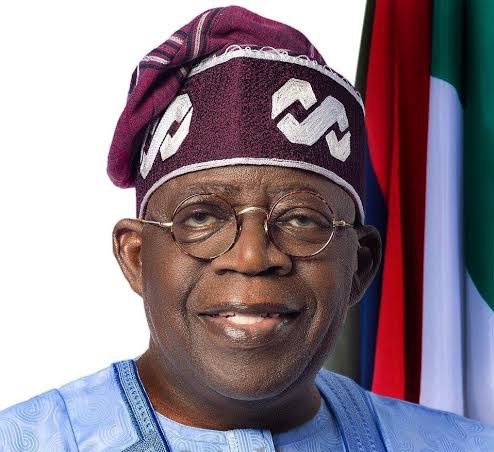
President Bola Tinubu on Tuesday unveiled the Renewed Hope National Development Plan (2026–2030), a five-year policy blueprint aimed at accelerating economic growth, strengthening security and consolidating recent macroeconomic reforms. The plan was launched at the Second National Economic Council conference held in Abuja, with federal and state officials, development partners and private sector stakeholders in attendance.
While presenting the document, the President declared what he described as a “decisive war” on terrorism and violent criminality, stating that insecurity remains one of the most critical obstacles to national development. He described banditry as an “alien” threat to Nigeria’s social fabric and said the persistence of attacks across parts of the country has kept the leadership “sleepless at night.”
President Tinubu said the Renewed Hope plan is designed to align national priorities with medium-term fiscal and monetary frameworks, while also deepening structural reforms already underway. According to him, the document provides a clear roadmap for boosting productivity, expanding infrastructure, improving human capital development and reducing poverty over the next five years.
He said the new development plan builds on what he described as early economic gains recorded under his administration, citing a reported gross domestic product growth rate of 3.98 per cent and a decline in headline inflation to about 14.45 per cent at the beginning of the year. The President said these indicators, though still fragile, show that “the economy is responding to difficult but necessary reforms.”
The President stressed that security would remain central to the success of the plan, noting that economic progress cannot be sustained without peace and stability. He said the federal government would intensify collaboration with state governments, security agencies and local communities to confront terrorism, banditry and other forms of violent crime.
He also called on state governors and members of the National Economic Council to take ownership of the plan, stressing that its success depends on effective implementation at both federal and subnational levels. According to him, the Renewed Hope agenda is not intended to be “a document on the shelf” but a practical framework that guides policy choices and budgetary decisions.
Officials at the event said the 2026–2030 plan will serve as the successor to the current medium-term national development framework, with clear performance benchmarks and monitoring mechanisms. They added that the government plans to engage the private sector and development partners more aggressively to mobilise financing and technical support for priority projects.
The unveiling of the plan comes amid ongoing debates about the impact of recent economic reforms on living conditions, with the administration maintaining that short-term pains are necessary to achieve long-term stability and inclusive growth.