






Manny Ita –
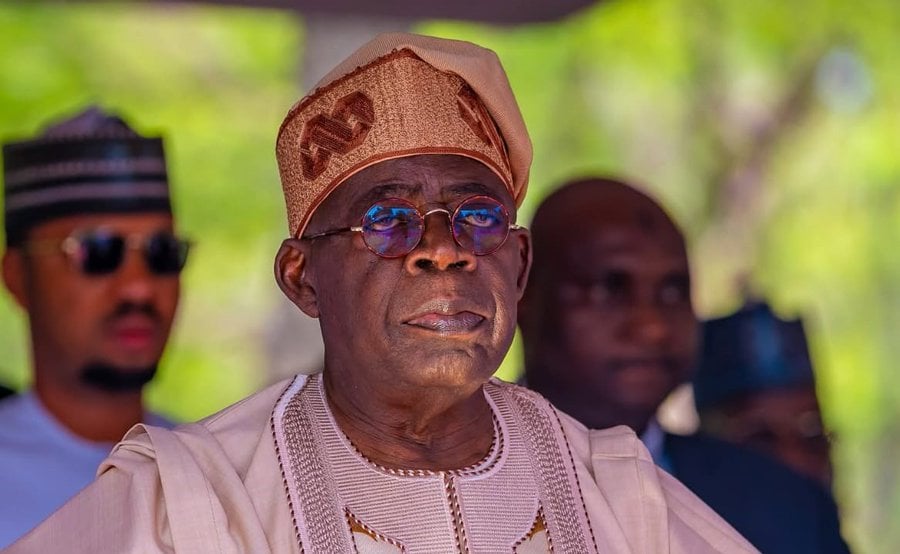
President Bola Tinubu officially launched the Nigeria Industrial Policy 2025 on Tuesday, marking a strategic pivot toward a production-centered economy focused on factory construction and massive job creation. Represented by Vice President Kashim Shettima at the launch held at the Bola Ahmed Tinubu International Conference Centre in Abuja, the President characterized the document as a comprehensive roadmap designed to re-engineer the nation’s industrial base. In a direct address to government agencies, the President emphasized that the success of this new framework would not be found in administrative paperwork but in tangible economic outcomes, stating, “We will measure success by the number of factories that open their gates at dawn, by the jobs created for our young men and women, by the exports that leave our ports bearing the mark of Nigerian excellence, and by the value retained within our own economy.”
The policy arrives as a corrective measure for historical systemic failures that have hindered Nigeria’s growth for decades. Addressing a crowd of ministers, industry leaders, and international partners, the President acknowledged that the country has long grappled “with fragmented value chains, high production costs, infrastructure gaps, policy inconsistency, and insufficient coordination between government and industry.” Asserting that “this stops now,” the President noted that while policies rarely fail at conception, they often fail at execution. To ensure the policy’s viability, the administration has established a clear implementation architecture that integrates energy, trade, and finance, with Tinubu remarking that “industrialisation is not a wish you think about; it is an action you perform.”
Private sector leaders at the event expressed strong optimism regarding the policy’s potential to stabilize the broader economy. Aliko Dangote, Chairman of the Dangote Group, lauded the administration’s reforms and projected a significant strengthening of the national currency, expressing his “firm belief that the naira, this year, will be at ₦1,000 to $100.” While noting that global investors are increasingly attracted to Nigeria due to foreign exchange stability, Dangote cautioned that the policy’s success hinges on protecting local manufacturing, stating, “if there is no protection, there is no way any industry will thrive here.” This sentiment was echoed by the President of the Manufacturers Association of Nigeria (MAN), Francis Meshioye, who confirmed that indigenous entrepreneurs are fully aligned with the policy’s focus on domestic production.
International stakeholders likewise signaled their support for the initiative, viewing it as a bridge to regional prosperity. Mohamed Fall, the United Nations Resident and Humanitarian Coordinator in Nigeria, described the launch as the culmination of a partnership with the United Nations Industrial Development Organization (UNIDO) to transform Nigeria into a global value chain player. According to Fall, the policy represents a moment where “hope is turned into action, resulting in inclusive economic growth.” As the Ministry of Industry, under the leadership of Minister of State John Enoh, moves toward the execution phase, the federal government remains focused on its core pillars: advancing value chain development, integrating small businesses into the industrial heart, and ensuring that “prosperity must not be exclusive.”