



When the World Burns, Nigeria Pays the Price
On a humid morning in Lagos, the price of a bus ride quietly tells a global story. At a roadside park in Oshodi, a commercial driver recalculates his fares—not because of anything that happened overnight in Nigeria, but because of tensions thousands of miles away in the Middle East. Fuel prices have ticked up again. Passengers grumble. Some walk away. Others pay reluctantly. For the driver, it’s a daily gamble between survival and loss. This is how global crises arrive in Nigeria: not with headlines, but with increments.
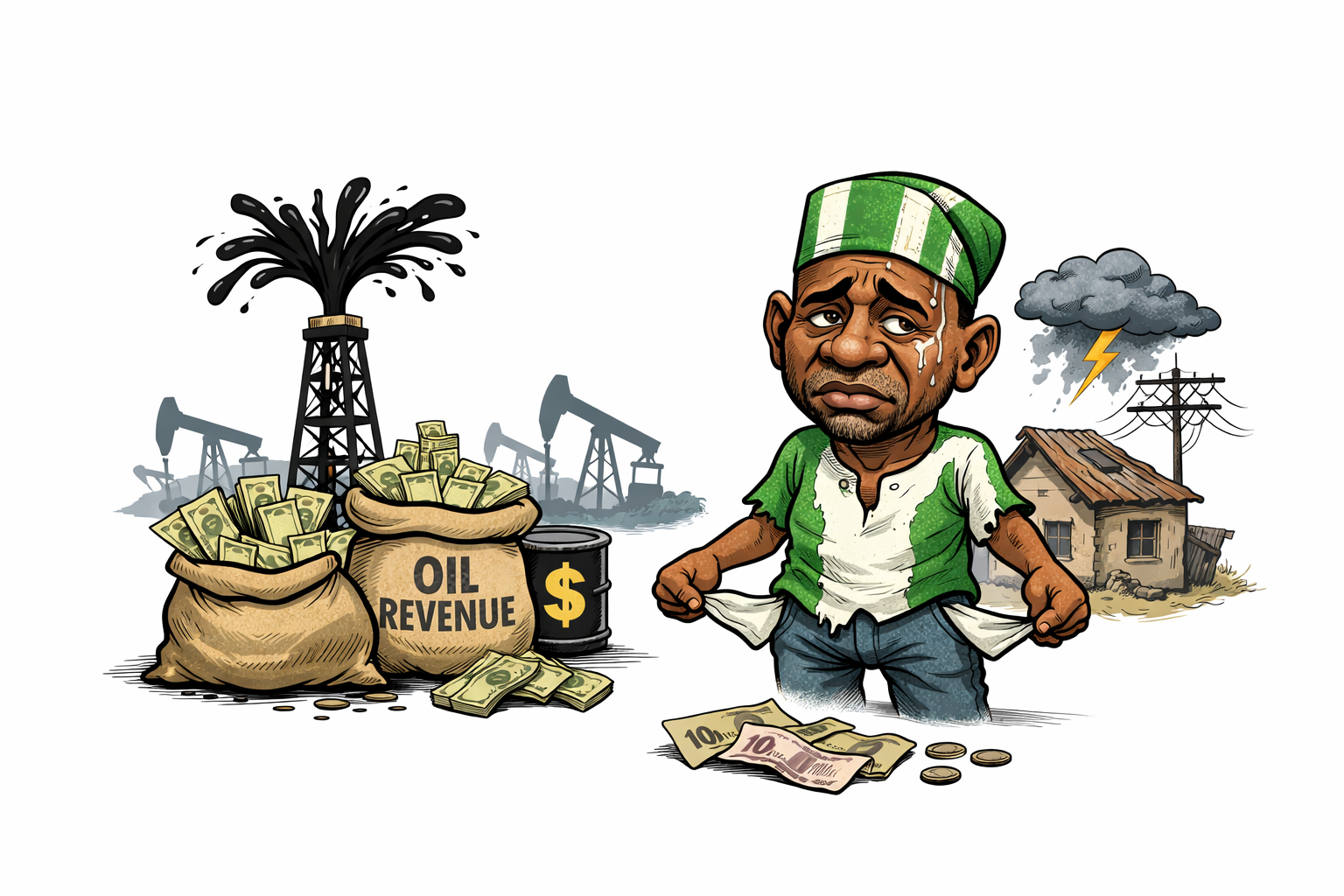
As geopolitical tensions escalate across key oil-producing regions, supply chains tighten, strategic waterways grow uncertain, and oil prices surge. For Nigeria, Africa’s largest oil producer, this should be a moment of advantage—a windfall driven by higher crude prices. Instead, it has become a paradox. Despite its oil wealth, Nigeria remains heavily dependent on imported refined petroleum. The gap between production and domestic capacity means that when global prices rise, the country feels the pain almost immediately—at the pump, in transport fares, and ultimately, in food prices. In Abuja, traders speak in the language of survival economics as transport costs climb, suppliers demand more, and margins shrink, leaving consumers to absorb the steady erosion of purchasing power.
Yet even as these pressures mount, Nigeria is projecting a different image to the world—one of ambition, confidence, and strategic intent. Diplomatic engagements are expanding, trade conversations are deepening, and reforms are being rolled out to position the country as a regional economic hub. But beneath this forward-facing posture lies a more fragile reality. The economy remains deeply exposed to external shocks—heavy import dependence, currency volatility, logistics inefficiencies, and limited industrial depth mean that global disruptions are not absorbed; they are transmitted directly into everyday life.
At the heart of the response is reform. Government initiatives such as the National Single Window promise to digitize trade, reduce bottlenecks, and improve efficiency at the ports. On paper, it is the kind of structural shift that could redefine Nigeria’s competitiveness. In practice, questions remain. Along the Apapa corridor, small-scale importers still navigate delays, layered charges, and uncertainty. For them, reform is not measured in policy announcements but in whether goods clear faster, costs fall, and business becomes predictable. Execution, not intention, will determine whether these changes matter.
To understand the full weight of global instability, one must look beyond policy into people. The transporter in Lagos adjusting fares with every fuel increase, the importer battling port delays that stretch timelines and inflate costs, the policymaker insisting reforms are laying the foundation for resilience, and the young entrepreneur recalibrating strategies in a climate of constant uncertainty—all are part of the same chain reaction. It is a chain that begins far beyond Nigeria’s borders but ends squarely within them.
This is unfolding against a world that is itself becoming more unstable. Alliances are shifting, economic nationalism is rising, and the cooperative frameworks that once underpinned global trade are weakening. Crises now move faster than responses, crossing borders with ease and compounding in ways that make them harder to contain. For countries like Nigeria, the challenge is no longer just internal management but external navigation.
Nigeria’s future will not be determined solely by its policies, reforms, or ambitions, but by how effectively it reads and responds to this shifting global order. Whether it can convert oil price volatility into real economic gain, build systems resilient enough to withstand shocks, and reduce its exposure to external disruptions will define the next chapter of its story. Back in Lagos, the driver fills his tank and adjusts his fares once more. Passengers argue, then concede, and the day moves forward. The world’s crises have already arrived, quietly shaping decisions and outcomes. In a reality where distant conflicts dictate local costs, Nigeria’s greatest test may not be surviving global shocks, but learning how to turn them into strategic advantage.