







Manny Ita –
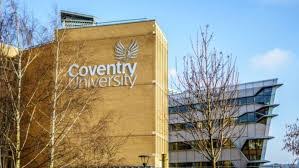
The Federal Government of Nigeria has entered into a strategic partnership with Coventry University to establish a United Kingdom-accredited university campus in Lagos, in a move aimed at expanding access to world-class education and reducing the financial burden of studying abroad.

The Minister of Education, Maruf Tunji Alausa, disclosed the development during ongoing engagements in the United Kingdom, where he is accompanying Bola Ahmed Tinubu on an official visit. He said the initiative forms part of a broader Transnational Education strategy designed to bring globally recognised academic programmes closer to Nigerian students.
Under the proposed arrangement, the new campus will be located in Alaro City, a rapidly developing education and economic hub in Lagos. The institution is expected to offer undergraduate and postgraduate programmes across key disciplines, including Science, Technology, Engineering, Mathematics and Medicine, as well as Business and Technical and Vocational Education and Training.
According to the minister, all degrees awarded at the Nigerian campus will be fully equivalent to those obtained in the United Kingdom, ensuring international recognition and academic parity. Admissions are projected to commence between the third and fourth quarters of 2026, subject to regulatory approvals.
Alausa described the initiative as a major step toward addressing the rising cost of overseas education and curbing capital flight caused by Nigerians seeking degrees abroad. He noted that thousands of Nigerian students currently study in countries such as the United Kingdom, Canada, and the United States, placing significant pressure on foreign exchange due to tuition and living expenses.


“We want Nigerian parents to enjoy their children being at home while still receiving a world-class UK education,” the minister stated, emphasizing the government’s commitment to making quality education more accessible locally.
The partnership is expected to strengthen bilateral cooperation in education and skills development. Officials say the project will not only reduce brain drain but also enhance human capital development, improve graduate employability, and position Nigeria as a regional hub for global education.
Analysts view the move as a significant intervention in Nigeria’s education sector, which has faced challenges such as limited admission capacity, infrastructure deficits, and recurring disruptions in public universities. By introducing internationally accredited programmes within the country, the government aims to retain talent, attract foreign investment, and build a workforce equipped for innovation and economic growth.


