






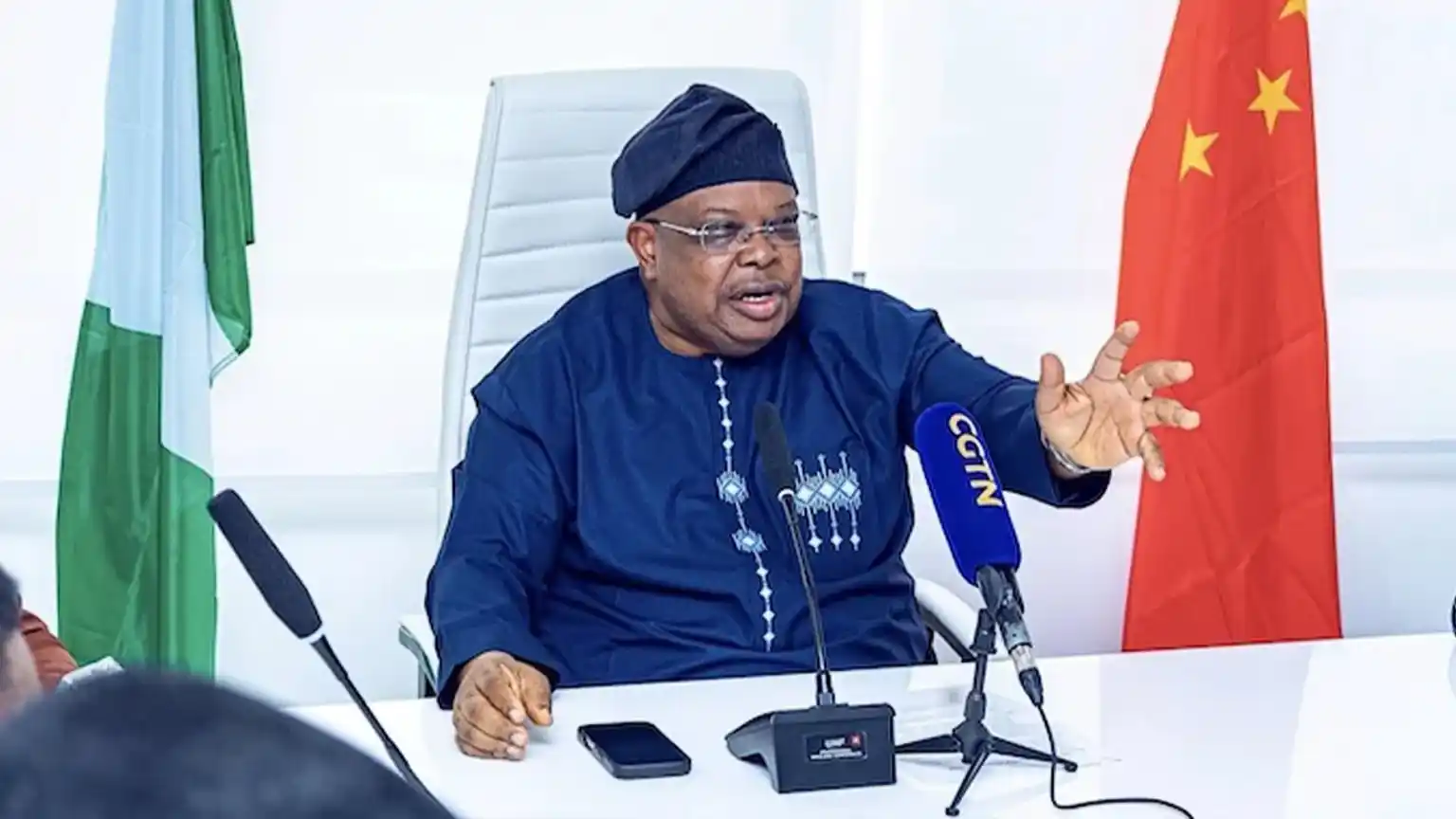
Minister of Power, Joseph Tegbe
The Federal Government has added 208 megawatts (MW) of bulk transmission capacity to Lagos following the commissioning of upgraded substations at Ijora and Apapa Road, aimed at easing transmission constraints that have contributed to stranded electricity on the national grid.
At the Ijora substation, two new 100MVA transformers increased installed capacity from 90MVA to 230MVA, providing an additional 112MW. At Apapa Road, a new gas-insulated substation added 96MW, raising capacity from 60MVA to 180MVA.
The Apapa Road facility replaces an outdoor transformer that had served as a temporary arrangement after the original substation, commissioned in 1985, was decommissioned.
Speaking at the commissioning ceremony, yesterday, the Minister of Power, Joseph Tegbe, said the projects formed part of the Federal Government’s efforts to address structural constraints in the power sector and support President Bola Tinubu’s target of building a $1 trillion economy.
Tegbe commended the Lagos State Government for its support for the projects and said the ministry would continue to strengthen transmission infrastructure across the country.
The Managing Director/Chief Executive Officer of the Transmission Company of Nigeria (TCN), Sule Abdulaziz, said the additional capacity would increase the bulk power available to Eko Electricity Distribution Company (EKEDC) for distribution to Apapa Causeway, Ijora, Amukoko, Ajegunle, Apapa Wharf, Tin Can Island and other commercial areas along the corridor.
The Ijora project was funded by the Japan International Cooperation Agency (JICA), while the Apapa Road project was financed by the World Bank, both in partnership with TCN.
Abdulaziz called for similar grant support to upgrade other parts of the transmission network, stressing the need for sustained investment to improve the reliability of electricity supply.
The projects address a major transmission constraint in Lagos, Nigeria’s key commercial centres.
However, the additional 208MW remains a small portion of the capacity required to address the wider transmission constraints that continue to limit the amount of electricity the national grid can deliver across the country.