






Manny Ita
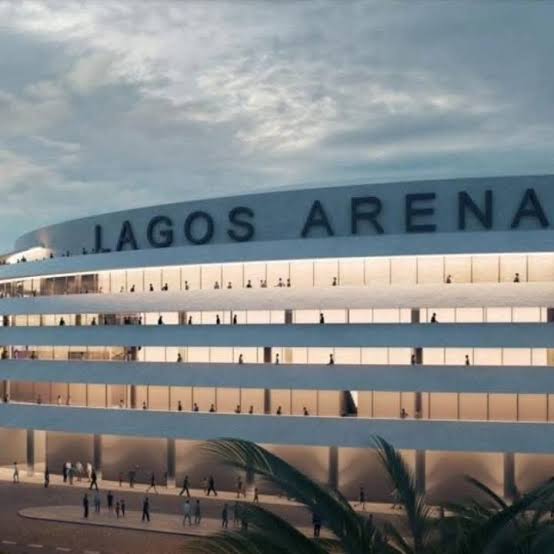
In a significant move to address Nigeria’s long-standing deficit in creative economy infrastructure, a consortium of international and local private equity firms has officially broken ground on a 15,000-capacity multipurpose arena in Lekki, Lagos. The facility, scheduled for completion by late 2026, is engineered to operate as the primary hub for international-grade musical tours, sporting events, and cultural festivals, signaling a shift away from the industry’s reliance on hotel ballrooms and makeshift outdoor venues. Investors spearheading the project view Nigeria as the epicenter of the global Afrobeats movement but identify the lack of high-capacity, technically specialized venues as a major bottleneck to the commercial scale of live performances. Project leads stated during the groundbreaking ceremony that “the world is listening to our music, but it is time they come to our shores to experience it in a venue that matches the quality of the art.”
The arena is designed with world-class acoustics, automated seating configurations, and advanced security systems to meet the rigorous “technical riders” of global superstars. Strategically located within the Lekki corridor, the facility is projected to catalyze a secondary economy in hospitality and retail, while significantly boosting Lagos State’s Internally Generated Revenue (IGR) via “music tourism” from across West Africa. Furthermore, the venue incorporates sustainable features such as solar-integrated roofing and high-efficiency cooling systems to mitigate the environmental impact of large-scale gatherings. Industry insiders anticipate a shift in event programming, as a dedicated 15,000-attendee home allows promoters to move away from the “VIP-only” model toward more competitively tiered ticket pricing.
While official 2026 tour rosters remain under non-disclosure agreements, sources at the Lekki Arena Project (LAP) confirm that several high-profile negotiations are in the “Letter of Intent” (LoI) stage. The grand opening strategy reportedly follows a “Global-Local Fusion” model, pairing domestic superstars with international icons to demonstrate the arena’s parity with venues like London’s O2 or New York’s Madison Square Garden. Potential headliners include Burna Boy, who has expressed a desire to bring his full “Space Drift” technical crew to Lagos, and Davido, whose team is seeking a secure 15,000-plus capacity venue for “Timeless” residencies. Additionally, rumored negotiations with Beyoncé’s Parkwood Entertainment involve a “Renaissance: Africa” legacy stop, with her team reportedly requesting specific data on the arena’s 70-ton roof load capacity.
The “Technical Rider” revolution is a central pillar of these negotiations, as most existing Lagos venues cannot support the “Rigging Loads”—the heavy lighting and screen arrays—required by major global tours. The Lekki Arena’s 70-ton capacity and internal acoustic treatment are expected to reduce touring costs by nearly 20%, transforming Lagos into a profitable commercial stop. Management is also exploring a “Lagos Residency” model, similar to Las Vegas, to accommodate the surge of tourists during the December peak. To support this, sources suggest the Lekki-Epe Expressway expansion is being fast-tracked to manage concert traffic, alongside discussions with Lagos Waterways to provide high-speed ferry “Concert Shuttles” from Victoria Island and Ikoyi directly to the arena’s private jetty.