





Manny Ita –
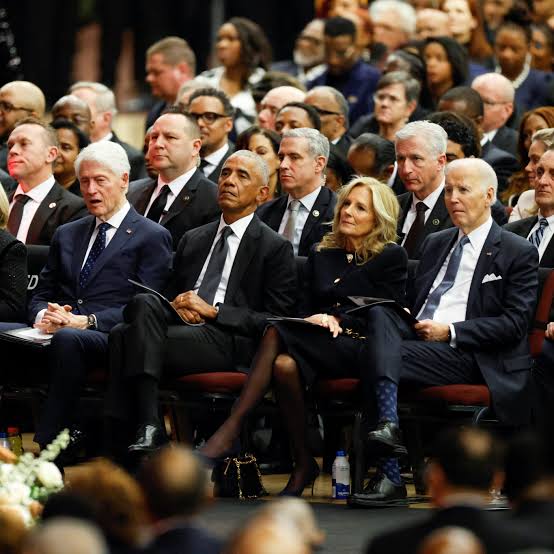
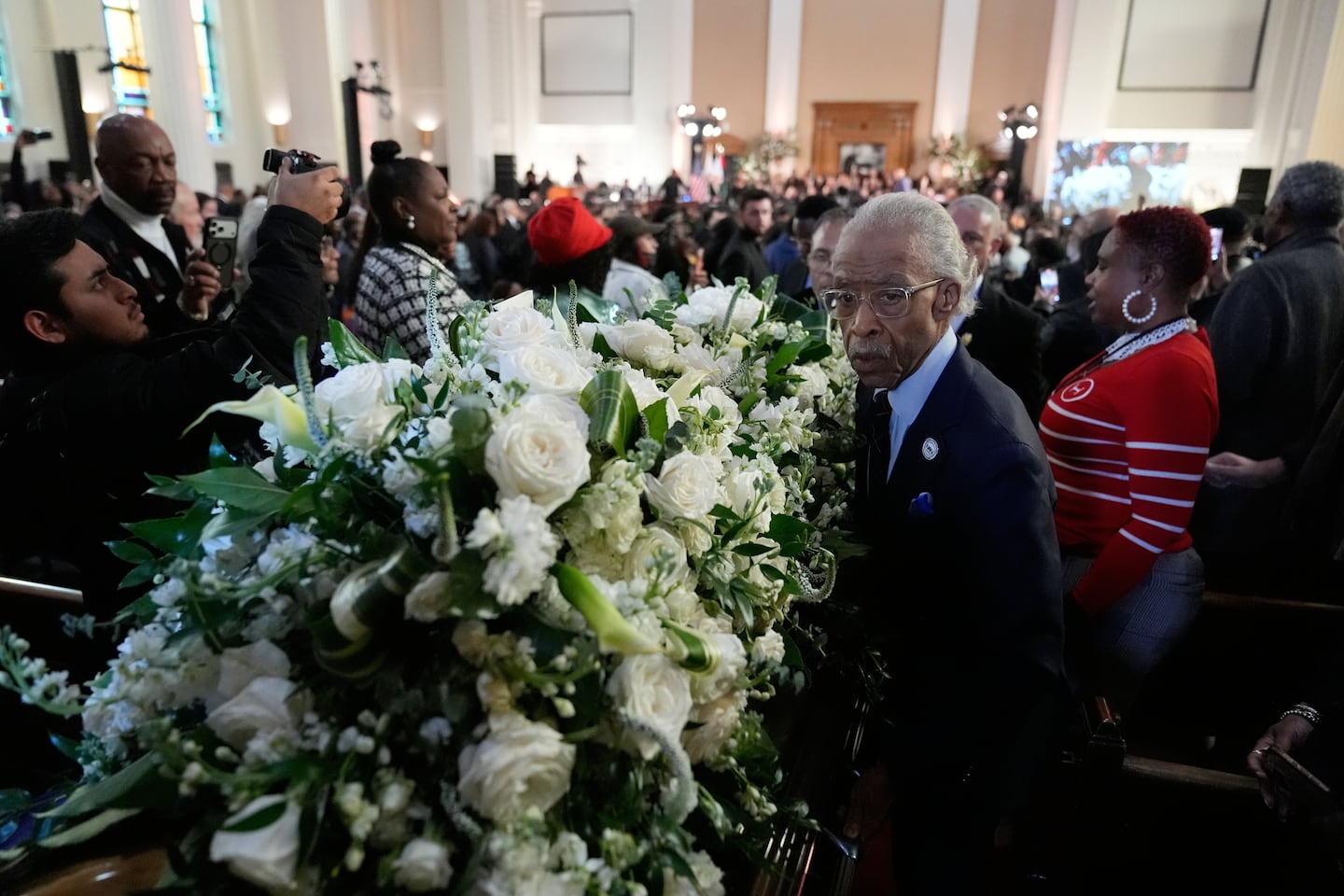
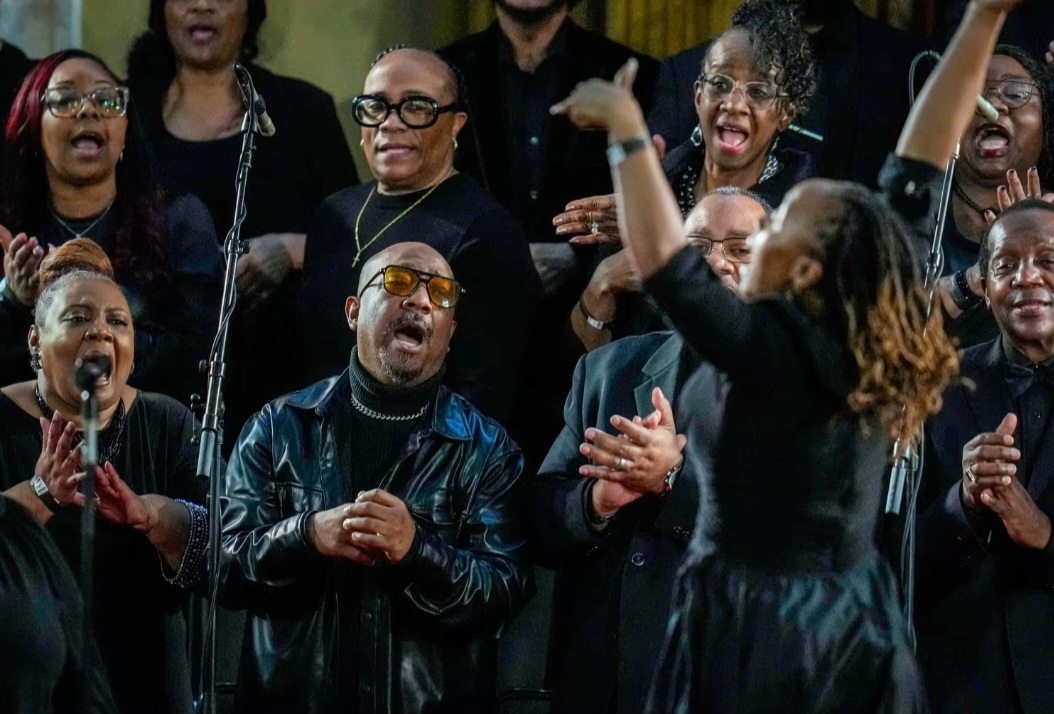
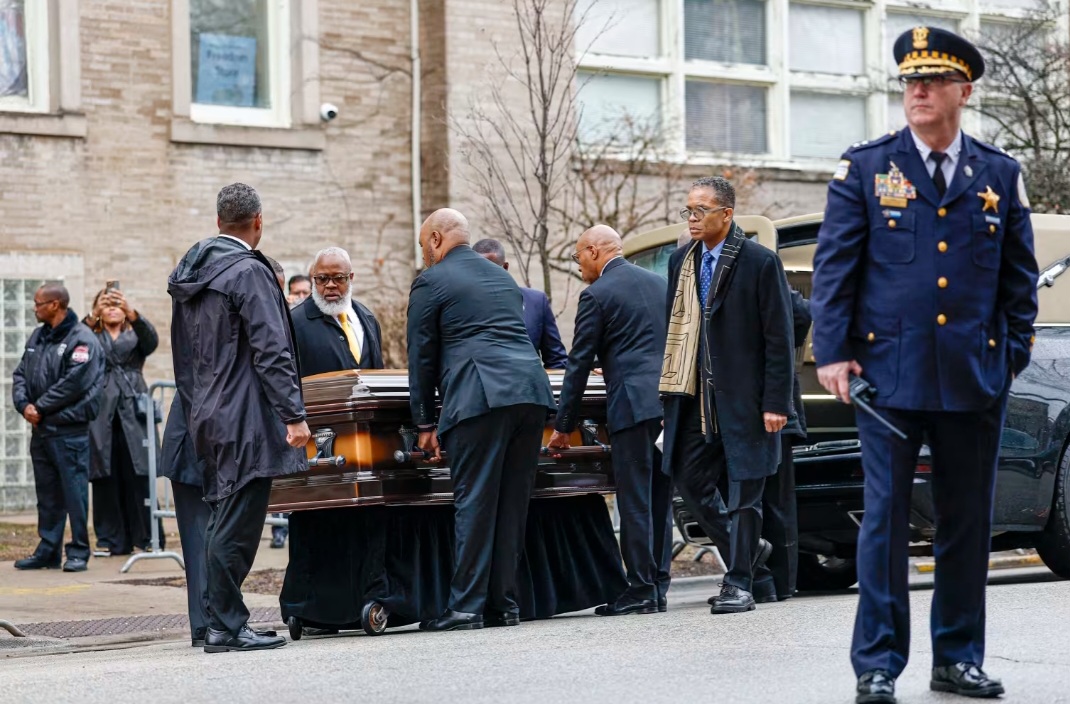
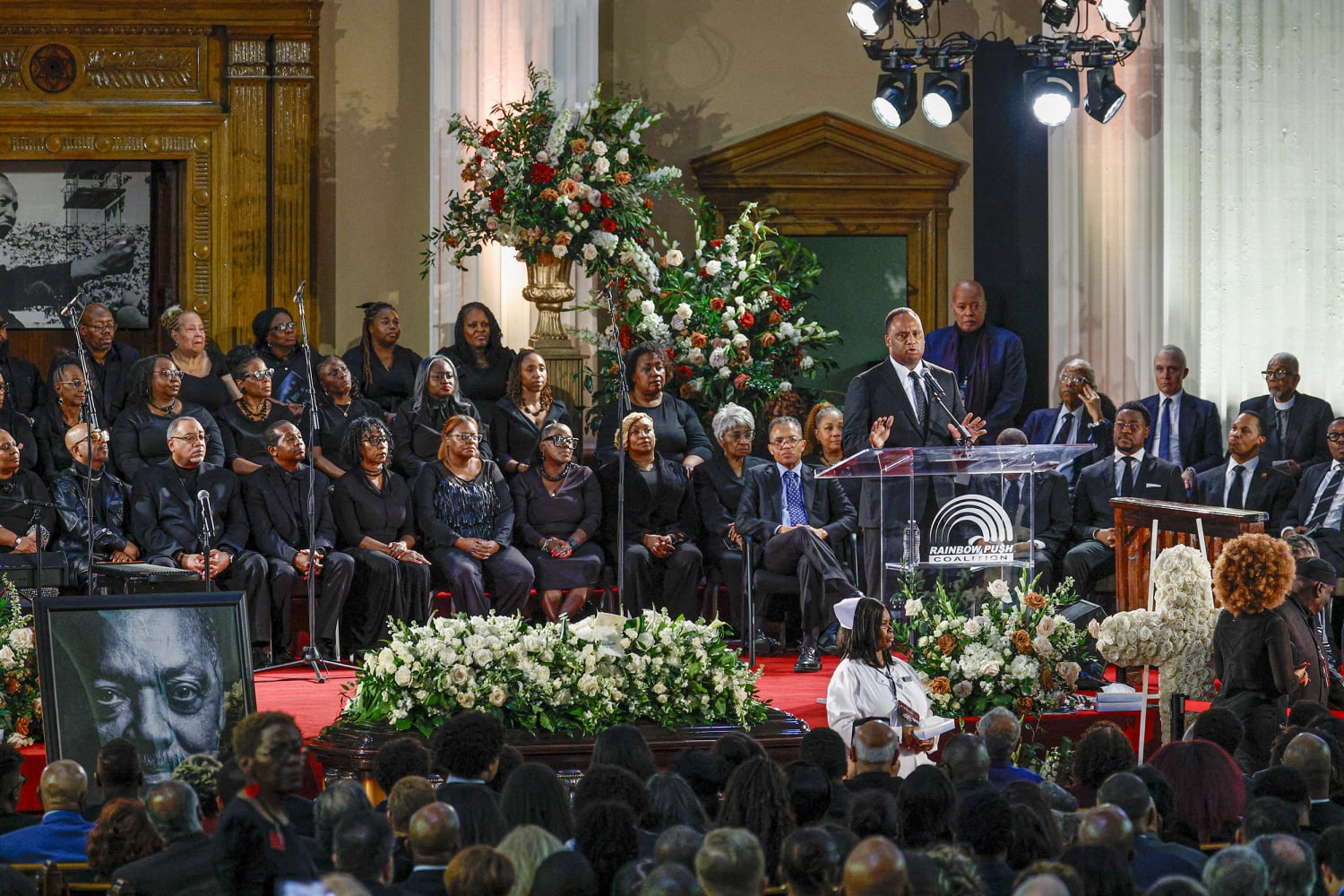
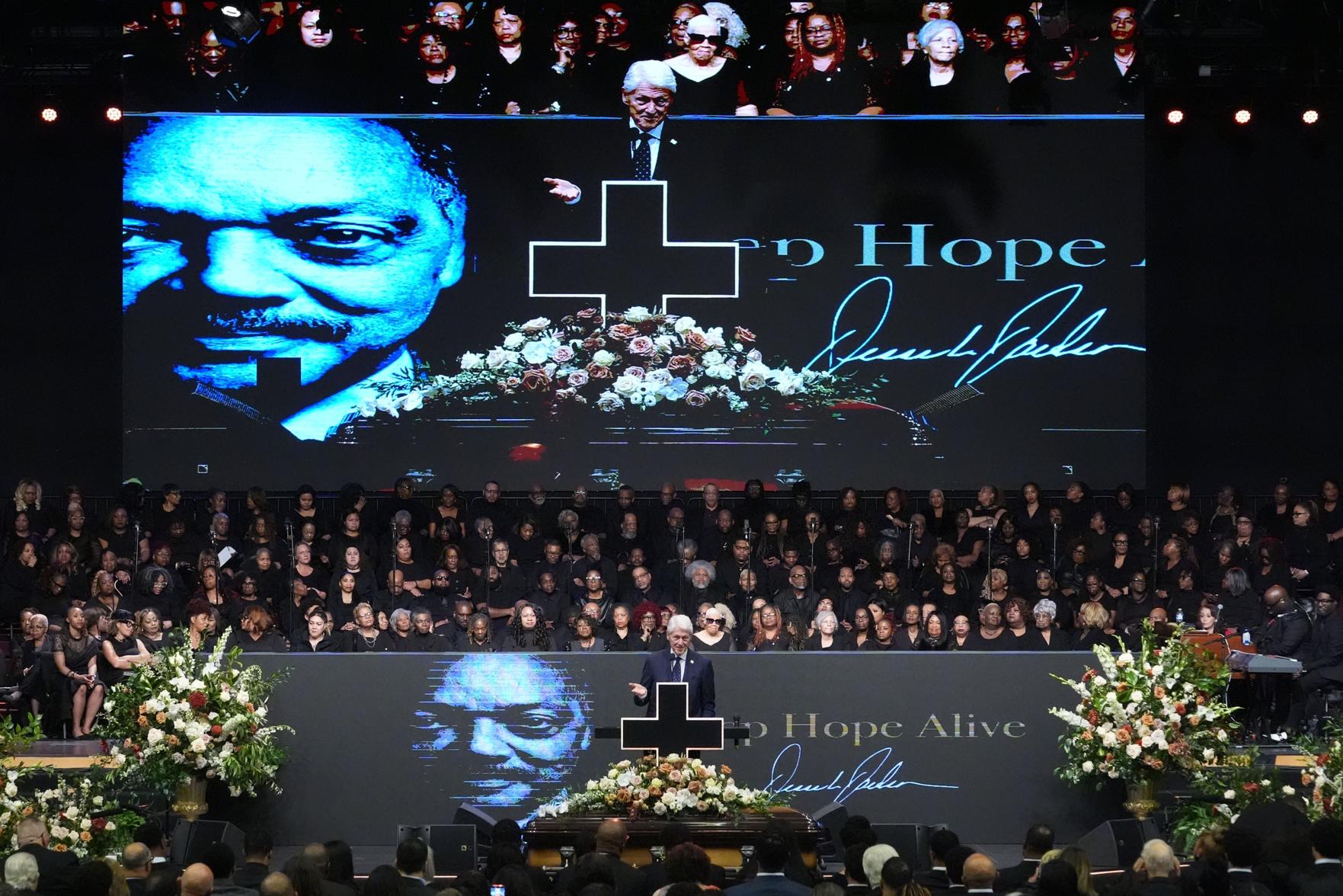
Family members, close allies and longtime associates of the late Jesse Jackson gathered Saturday for an intimate memorial service at the headquarters of the Rainbow PUSH Coalition in Chicago, a day after a widely attended public celebration of life drew national political figures and thousands of mourners.
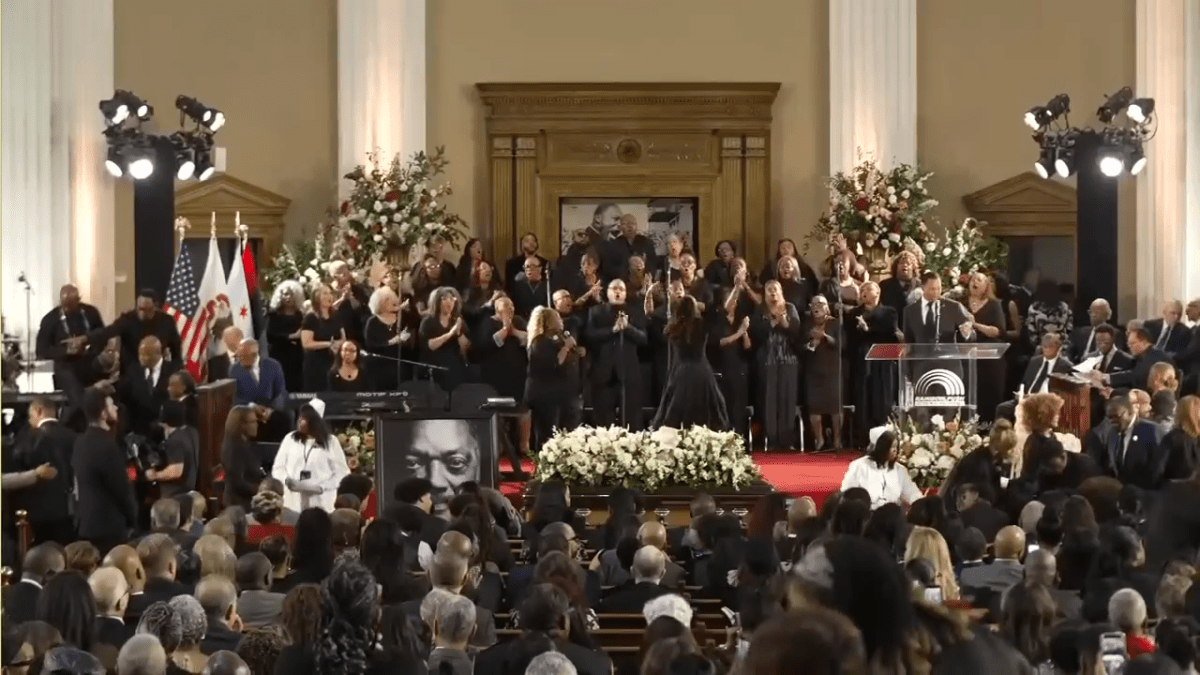
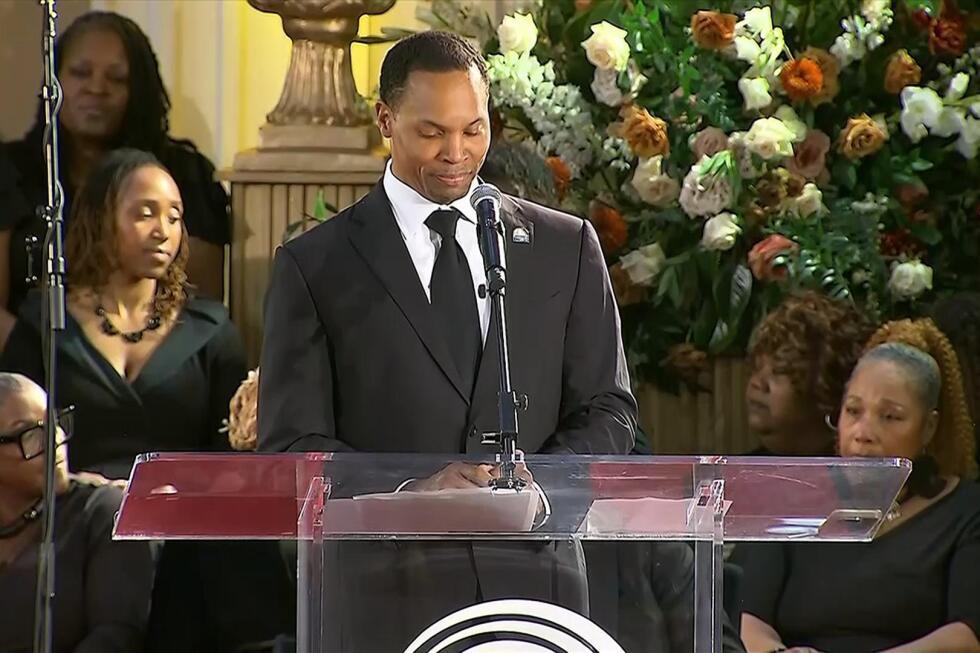
The private “homegoing” ceremony, held at the organization’s South Side headquarters in Chicago, was attended by a few hundred people, most of them family members, confidants and associates who worked closely with Jackson throughout his decades-long civil rights career. The service was intended to provide a quieter moment of reflection following a week of commemorations and public tributes across the United States.
Speaking ahead of the gathering, the Rev. Chauncey D. Brown, a Chicago-area pastor and mentee of Jackson’s, said the memorial would reflect the broad coalition that defined the activist’s life and work. “I foresee tomorrow will represent everything that Rev. Jackson stood for,” Brown said. “It will include dignitaries and icons, as well as many from where the true power lies, with the people in the streets.”

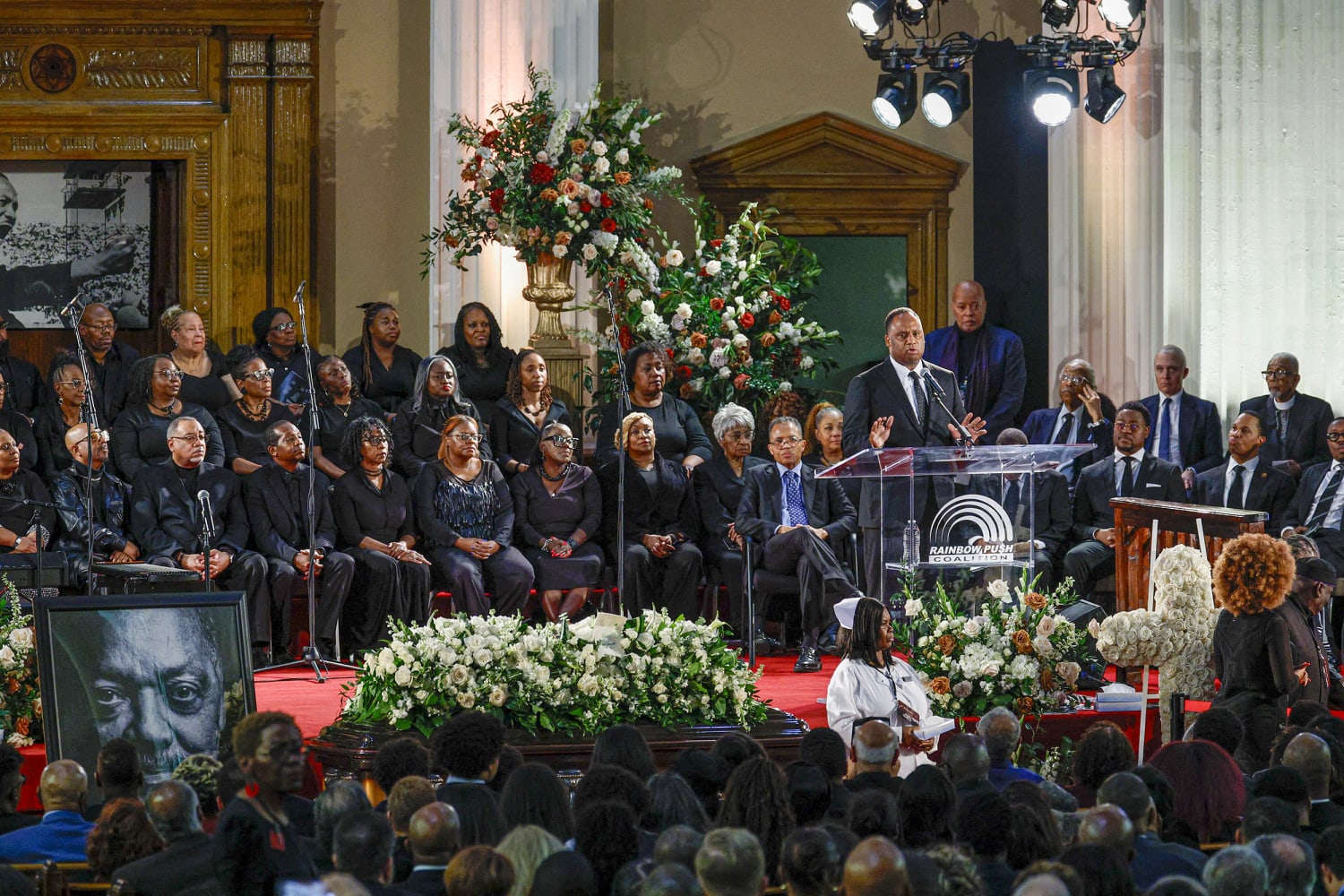
While the service was largely reserved for invited guests, some members of the public who gathered outside the Rainbow PUSH headquarters were permitted to enter the chamber to pay their respects.
Rev. Janette Wilson, a longtime senior adviser to Jackson and executive director at the Rainbow PUSH Coalition, said the memorial followed weeks of outreach to people who worked alongside the civil rights leader during his lifetime. “Over the last two weeks, we’ve been focusing on connecting to people that Reverend worked with across the years,” Wilson said. “When you look at his work, it is so vast in the economic and political arenas.”

Since Jackson’s death last month, family members and supporters have organized a series of events to honor his legacy, including community service activities and demonstrations meant to carry forward his advocacy for civil rights and economic justice.
Public visitations were first held in February at the Rainbow PUSH headquarters, giving residents of the surrounding community an opportunity to say farewell to the influential activist who spent decades organizing campaigns for racial equality, voting rights and economic opportunity.

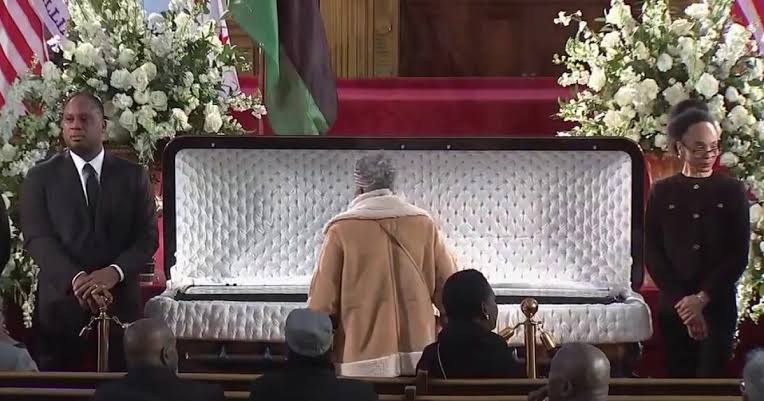
Jackson later lay in state at the South Carolina State House in Columbia. He grew up in segregated Greenville, where, as a high school student, he helped lead a protest that desegregated a local library — an early step in a lifetime devoted to civil rights activism.
Plans to honor Jackson in Washington, D.C. were postponed after a request for him to lie in honor at the United States Capitol was declined by House Republican leadership, which cited longstanding precedent limiting the recognition primarily to former presidents and senior military leaders.

In the weeks following his passing, Jackson’s mentees and supporters also organized discussions and forums focused on issues he championed, including voting rights, economic inequality and political organizing. One such gathering brought together clergy members and community organizers who had worked under his mentorship to reflect on his influence.
Wilson said continuing Jackson’s advocacy is the most meaningful tribute to his legacy, pointing to policy concerns he often spoke about in his later years. “We’re in a global moment where peace in the world is in jeopardy, where we just have bombs being dropped carelessly, killing children, innocent victims of political actions,” she said, referring to ongoing conflict in the Middle East. “When the government cuts SNAP benefits and you have millions of children and families who will be food insecure, I think you have to tell them that we’re fighting for you.”

Earlier in the week, hundreds of members of the Omega Psi Phi fraternity gathered at the Rainbow PUSH headquarters to honor Jackson’s life. Among them was Michael Barksdale Jr., a Chicago public school counselor who first encountered Jackson while working as a youth organizer.
“His life is a dream fulfilled,” Barksdale said. “It is up to my generation now to continue that legacy of Jackson and all the civil rights dignitaries who came before. They did all of the heavy lifting, and we are going to continue to build.”

Veterans of the organization, including former U.S. senator Carol Moseley Braun, also attended commemorative events during the week. Braun, who volunteered for Jackson’s 1988 presidential campaign, later received his backing during her successful 1992 bid for the U.S. Senate.
Participants at the gatherings reflected on Jackson’s global activism, including his work opposing apartheid, his role in negotiating hostage releases and his efforts to promote a form of Christian ministry rooted in social justice and support for marginalized communities.
Among those visiting the headquarters were nearly 100 activists from Minnesota representing civil rights, labor and immigrant advocacy organizations. The groups had recently drawn national attention following protests against expanded immigration enforcement under the administration of Donald Trump.
Yeng Her, organizing director at the Immigrant Defense Network, said the visit offered a chance to learn from Jackson’s coalition-building approach. “It’s really empowering, at least for me, to see the coalition coming together and to understand the history of civil rights and human rights and immigrants’ rights,” Her said.

Members of the Jackson family invited the activists to Chicago to study the strategies the reverend used to build alliances across communities and movements, connecting them with Rainbow PUSH alumni and several of Jackson’s children.
The memorial gatherings in Chicago will be followed by another tribute on Sunday, when members of Jackson’s family and many of his former mentees travel to Selma, Alabama, to commemorate the anniversary of the 1965 civil rights marches known as Bloody Sunday on the Edmund Pettus Bridge.

Jackson frequently attended the annual Selma remembrance during his lifetime, viewing it as a central symbol of the ongoing struggle for civil rights.
“Reverend always thought three-dimensionally,” said Jimmy Coleman, a longtime aide to Jackson and a native of Selma. “Selma has always stood for the basics of what civil rights is, what we are debating in policy. He was always focused on what we needed in terms of policy in any given political moment, and that’s what the march represents.”