







Manny Ita –
A Catholic priest has ignited widespread debate after describing the popular online worship programme, Hallelujah Challenge, as an affront to Catholic doctrine and spirituality, warning faithful against what he termed “emotional but theologically shallow” expressions of worship that undermine liturgical tradition.
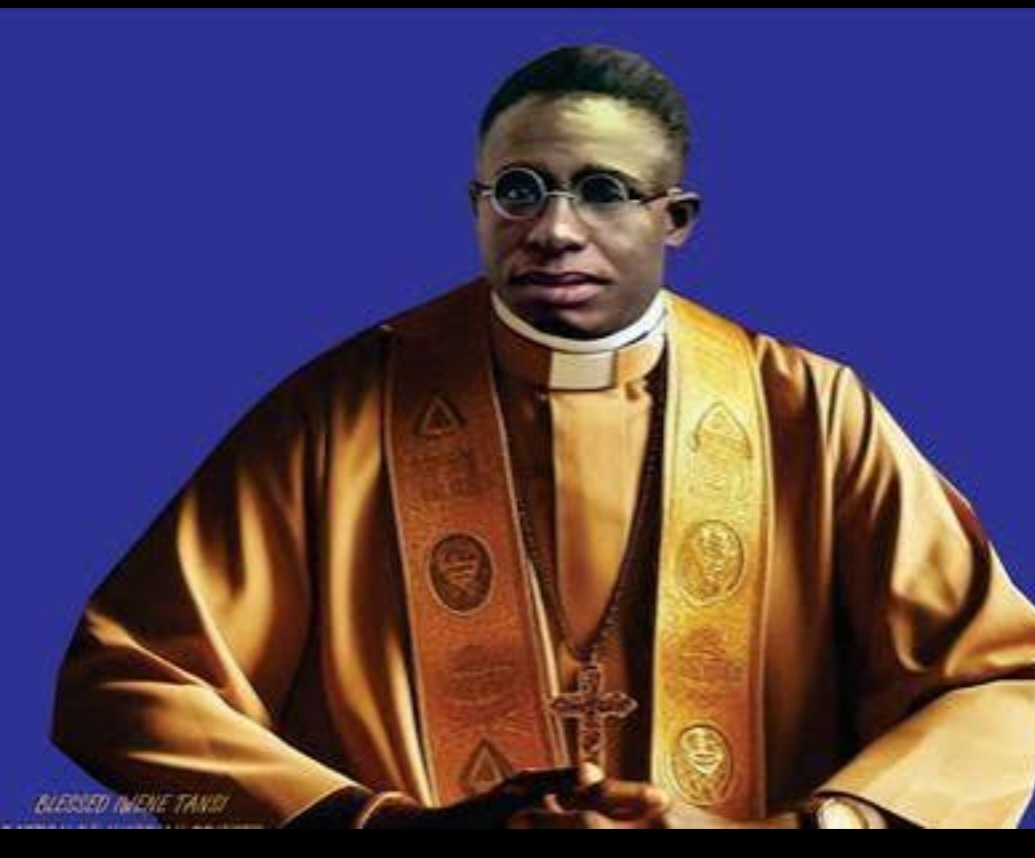
The cleric, invoking the legacy of Nigerian Catholic icon Blessed Michael Iwene Tansi, argued that authentic Christian worship must remain rooted in sacramental life, reverence, and doctrinal continuity rather than viral trends. He said the growing influence of charismatic online worship movements risks confusing Catholics about the nature of prayer and the Eucharist.
“Hallelujah Challenge, as presently constituted, is an insult to the Catholic faith,” the priest said, insisting that Catholic worship “is not entertainment, not performance, and not driven by emotional hype.” He warned that participation in such programmes could erode appreciation for the Mass, which he described as “the highest form of worship instituted by Christ Himself.”
The Hallelujah Challenge, led by gospel artist Nathaniel Bassey, is a globally streamed midnight praise session that attracts millions of participants across denominations. While widely celebrated among Pentecostal and evangelical Christians, critics within more liturgical traditions have occasionally questioned its theological framing and emphasis on spontaneous worship.
According to the priest, Catholic spirituality emphasizes silence, contemplation, sacraments, and adherence to Church authority, contrasting sharply with what he called “free-style online revivalism.” He said the faithful should draw inspiration from saints such as Tansi, whose life of ascetic discipline, obedience, and missionary sacrifice represents “the authentic path of holiness.”
“Our saints did not become holy through social media vigils,” he said. “They became holy through prayer, sacrifice, fasting, obedience, and fidelity to the Church.”
He further cautioned that religious practices detached from ecclesiastical oversight could foster doctrinal confusion, particularly among young Catholics exposed to diverse online teachings. While acknowledging the sincerity of many participants, he stressed that “good intention does not replace sound theology.”
The remarks have generated mixed reactions among Christians, with some supporting the priest’s defense of Catholic identity while others accused him of dismissing genuine expressions of faith that have inspired many believers worldwide.
Catholic commentators sympathetic to his position argue that the Church has long maintained clear boundaries regarding liturgical worship and private devotions, emphasizing that unity with Church teaching is essential. Conversely, supporters of the Hallelujah Challenge maintain that the programme encourages prayer, repentance, and devotion to God, transcending denominational differences.
Despite the controversy, the priest called for respectful dialogue among Christians, urging Catholics to remain steadfast in their tradition while avoiding hostility toward other denominations. “We must defend our faith without hatred,” he said. “Truth must always be spoken in charity.”
The debate highlights ongoing tensions between historic liturgical traditions and rapidly evolving digital expressions of Christianity in Nigeria and beyond, as churches grapple with how technology is reshaping worship, authority, and religious identity in the 21st century.


