

Manny Ita –
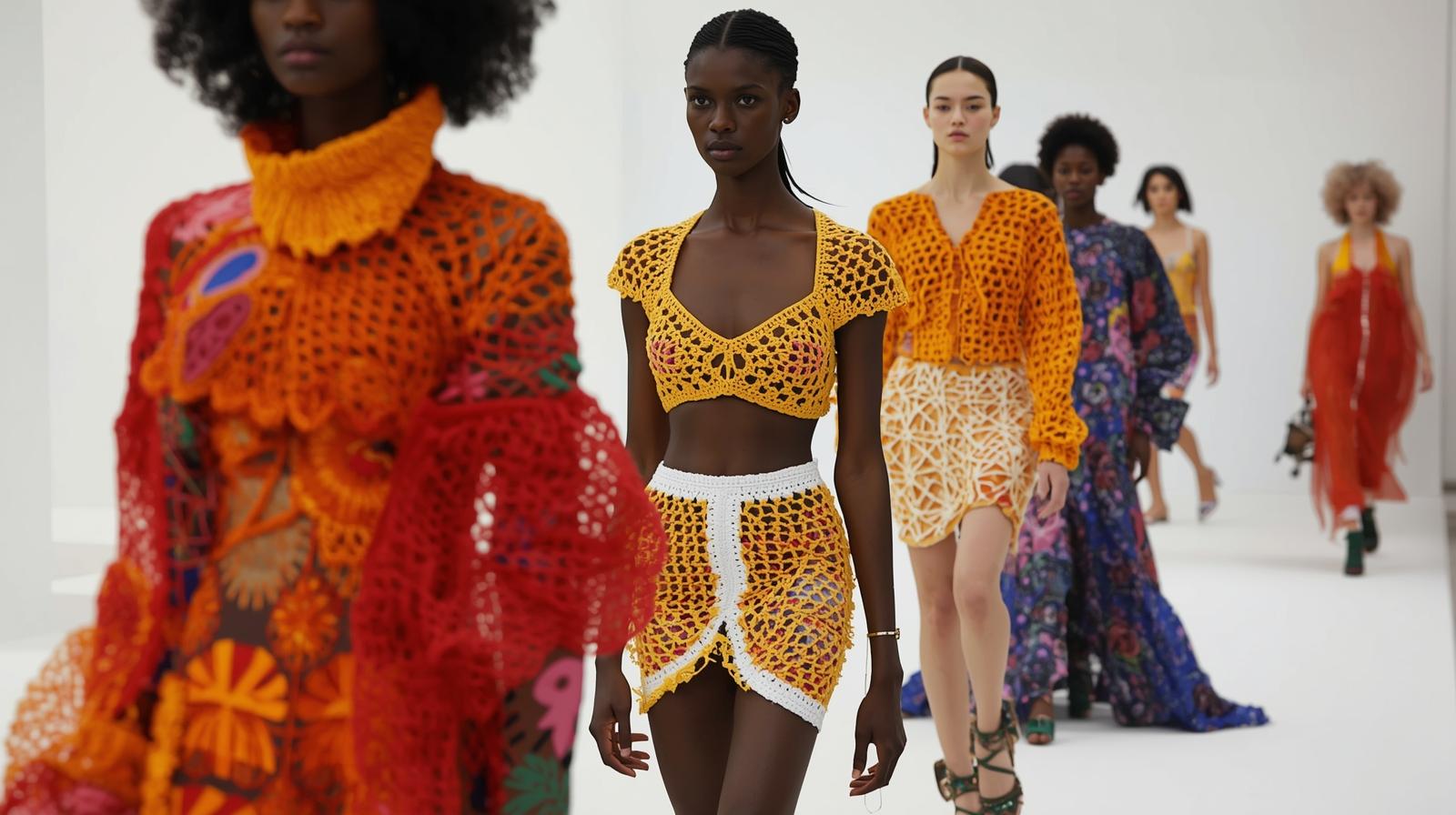
Emerging trends from the “Daily Times Young Designer of the Year” competition indicate a notable shift in fashion aesthetics, with raffia couture and structural crochet emerging as dominant design directions expected to shape 2026 collections.
The competition, which showcases rising talent across the country, has become a key platform for identifying evolving tastes within Nigeria’s fashion industry. This year’s entries reflected a renewed interest in traditional materials reimagined through contemporary techniques, with designers experimenting with raffia-based fabrics and intricately constructed crochet forms to create bold, textured silhouettes.
Participants and industry observers noted that raffia couture, once largely associated with traditional and indigenous attire, is being reinterpreted into high-fashion statements through refined tailoring, layering, and modern embellishments. Similarly, structural crochet—characterised by sculpted patterns and architectural shapes—has gained traction as designers explore its versatility beyond casual or artisanal wear into more avant-garde expressions.
A fashion critic at the event remarked that “there is a clear movement toward authenticity blended with innovation,” adding that young designers are increasingly drawing inspiration from local materials while aligning their work with global fashion standards. The critic further noted that the emphasis on craftsmanship and texture reflects a broader desire to distinguish Nigerian design on the international stage.
Organisers of the competition said the entries demonstrate a growing confidence among emerging designers to experiment with unconventional forms while remaining rooted in cultural identity. They observed that the prominence of raffia and crochet techniques signals both a revival of heritage craftsmanship and an adaptation to contemporary market demands that favour uniqueness and sustainability.
Industry analysts believe the trend could influence upcoming collections from established fashion houses, as well as independent designers seeking to align with evolving consumer preferences. The visibility of these aesthetics on a national platform is expected to accelerate their adoption across retail, runway, and custom fashion segments in the coming year.
As the competition continues to spotlight innovation among young creatives, the emergence of raffia couture and structural crochet underscores a broader transformation within Nigeria’s fashion landscape, where tradition and modernity increasingly intersect to define new stylistic frontiers.
