







Manny Ita –
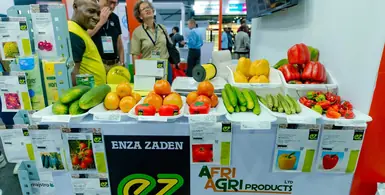
The 11th edition of the international Agrofood Exhibition 2026 has concluded in Lagos, drawing attention from global stakeholders across agriculture, food processing, packaging, and agribusiness technology, as Nigeria continues to position itself as a key player in the drive toward sustainable food systems.
The exhibition brought together 137 exhibitors from 17 countries, showcasing innovations spanning smart farming equipment, food preservation technologies, irrigation systems, agro-processing machinery, and supply chain logistics solutions. Participants included manufacturers, startups, policymakers, and investors seeking to explore opportunities within Africa’s expanding agricultural value chain.
This year’s central theme, “Achieving World-Class Food Security,” set the tone for discussions focused on reducing post-harvest losses, improving rural farming productivity, and strengthening food distribution networks across West Africa. Delegates emphasized the urgency of addressing rising food demand driven by population growth, urban expansion, and climate-related disruptions affecting crop yields.
Throughout the event, panel sessions highlighted the need for stronger public-private partnerships to scale agricultural innovation in Nigeria. Experts stressed that while Nigeria possesses vast arable land and a youthful farming population, inefficiencies in storage, transportation, and mechanization continue to limit output and profitability for local farmers.
Exhibitors also used the platform to introduce new technologies tailored to African conditions, including low-cost cold storage systems, solar-powered irrigation tools, and AI-based farm monitoring solutions designed to improve decision-making for smallholder farmers.
Government representatives and industry leaders at the event reaffirmed commitments to strengthening food security frameworks, improving access to agricultural financing, and attracting foreign investment into Nigeria’s agro-industrial sector.
As the exhibition wrapped up in Lagos, stakeholders expressed optimism that continued collaboration between local producers and international partners could accelerate Nigeria’s path toward achieving food security and transforming agriculture into a more industrialized and export-driven sector.


