






Manny Ita –
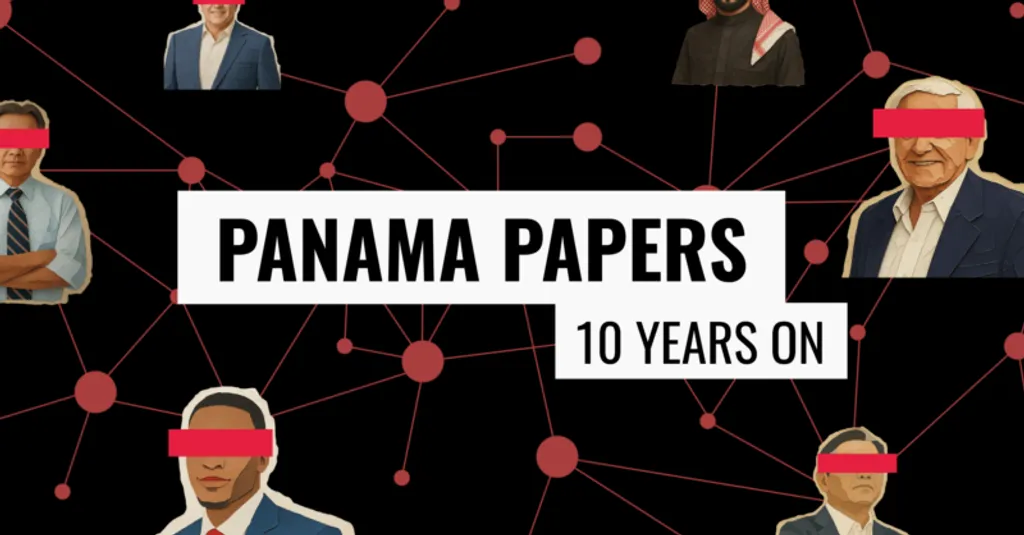
A decade after the release of the Panama Papers in April 2016, Nigerian media and policy commentators have renewed discussions on the global leak’s long-term impact on financial transparency, asset declaration practices, and offshore wealth structures linked to political and business elites.
The Panama Papers investigation, which exposed how high-profile individuals and entities across multiple countries used offshore companies to conceal assets and minimize tax exposure, continues to shape public discourse in Nigeria. Analysts note that the revelations at the time triggered widespread scrutiny of wealth management practices among influential figures, particularly in politics, business, and entertainment.
Reports reflect that in the years following the leak, several governments and financial regulators globally introduced tighter compliance requirements, improved beneficial ownership disclosure frameworks, and increased cooperation on cross-border tax investigations. In Nigeria, the conversation contributed to broader anti-corruption reforms and renewed calls for stronger enforcement of asset declaration laws and financial monitoring systems.
Despite these developments, commentators argue that enforcement gaps remain a significant challenge. Concerns persist over the continued use of complex corporate structures in offshore jurisdictions, which critics say still allow parts of the global elite to obscure financial holdings. Civil society groups have repeatedly emphasized the need for stronger institutional capacity to track illicit financial flows and ensure accountability.
Financial experts also highlight that the Panama Papers changed public awareness by making offshore finance a mainstream political issue in Nigeria. The leak is widely credited with increasing citizen engagement on governance issues related to corruption, transparency, and public sector accountability.
As the 10-year mark is observed, analysts suggest that while progress has been made in regulatory frameworks, the core challenges identified in 2016 remain relevant. They argue that sustained political will, international cooperation, and technological investment in financial tracking systems will be necessary to close remaining loopholes in the global financial system.