





Manny Ita –
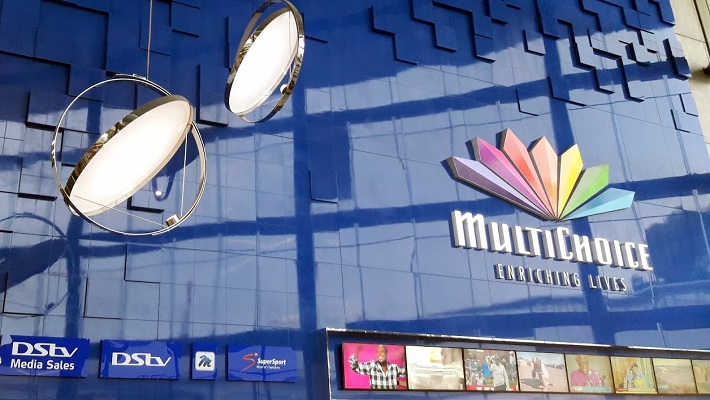
MultiChoice Nigeria has officially implemented a fresh price adjustment across its DStv and GOtv subscription packages, triggering renewed debate over the rising cost of pay television in the country and accelerating the shift toward digital streaming platforms.
The adjustment affects several bouquet categories on both services, with subscribers now paying higher monthly rates amid continued economic pressure, inflation, and rising living costs. The company attributed the review to operational realities, currency fluctuations, and increased content acquisition expenses.
The latest increase has sparked mixed reactions among consumers, many of whom say repeated subscription hikes are forcing households to reconsider how they consume entertainment. Across major cities, more viewers are reportedly turning to lower-cost streaming platforms, free digital channels, YouTube content creators, and mobile-based entertainment services as alternatives to traditional satellite television.
Industry analysts say the development reflects a broader transition in Nigeria’s media consumption habits, especially among younger audiences who increasingly prefer on-demand viewing over scheduled programming. Local streaming platforms offering Nollywood films, live sports highlights, reality shows, and indigenous-language content are also gaining traction as internet penetration improves.
Some subscribers have reduced their bouquet plans to cheaper packages, while others now subscribe only during major football tournaments or reality TV seasons. The trend is also benefiting independent filmmakers and digital creators who distribute content directly through social media and streaming apps.
Despite the backlash, MultiChoice remains one of the dominant players in Nigeria’s pay-TV market, driven largely by its exclusive sports broadcasting rights, entertainment catalog, and widespread customer base. However, market observers note that sustained pricing pressure could further intensify competition from emerging African streaming services and internet-based television platforms.
The development comes as Nigeria’s broader entertainment industry continues to evolve rapidly, with digital platforms reshaping advertising, audience engagement, and revenue generation across film, music, and live content distribution.