






Manny Ita
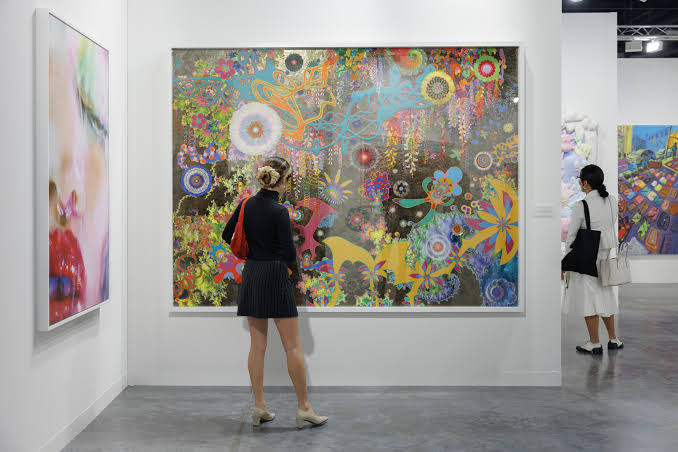
Fine art is increasingly being repositioned as an alternative asset class, as financial institutions and investors move to integrate cultural assets into formal investment and financing frameworks.
Once viewed largely as a store of cultural value, art is now being assessed alongside real estate, commodities and other non-traditional assets for its potential to diversify portfolios and preserve long-term value.
Industry analysts note that art’s relatively low correlation with public markets has made it attractive to high-net-worth individuals, family offices and institutional investors seeking hedges against volatility.
This shift has accelerated the development of structured art finance products, including art-backed lending, which allows collectors and businesses to access liquidity without selling their works.
Under this model, loans are issued against professionally appraised artworks, with financing decisions driven more by asset quality and provenance than by conventional credit history. Auction houses, specialist lenders and private banks are increasingly active in this space, positioning art as both cultural capital and financial collateral.
In Nigeria, this global trend is intersecting with a broader push to formalise and scale the creative economy. Investment firm MBO Capital has outlined frameworks aimed at providing targeted financing for sectors such as fine art and fashion, arguing that creativity alone is not the challenge, but rather access to capital that aligns with creative production cycles.
According to the firm, treating art and fashion as investible infrastructure can help move them from fragmented, small-scale operations to industrial-level enterprises capable of creating jobs and earning export revenue. MBO Capital has pointed to the need for financing models that support the full value chain, including production, storage, conservation and distribution, rather than focusing solely on individual creators.
The growing global demand for African art has further strengthened the investment case. Record-breaking international sales of works by Nigerian artists have demonstrated that locally produced art can command significant value on the world stage, reinforcing arguments that fine art can function as a viable financial asset when supported by proper market structures.
MBO Capital has described its approach as one that favours “flexible, risk-sharing models” over rigid lending structures, stressing that traditional bank loans often fail to reflect the realities of creative businesses. The firm has also linked creative financing to broader economic goals, including youth employment, skills development and non-oil exports.
Across Africa, similar conversations are taking place around policy reform and financial innovation, with stakeholders advocating for the recognition of intellectual property and creative assets as acceptable forms of collateral. Credit guarantees, specialised funds and blended finance structures are being explored as ways to reduce lender risk and unlock capital for creative enterprises.
As financial and cultural markets continue to converge, analysts say the formalisation of art finance could redefine how creativity is valued economically, positioning fine art not only as an expression of identity and heritage, but also as a structured component of modern investment portfolios.


