







Manny Ita
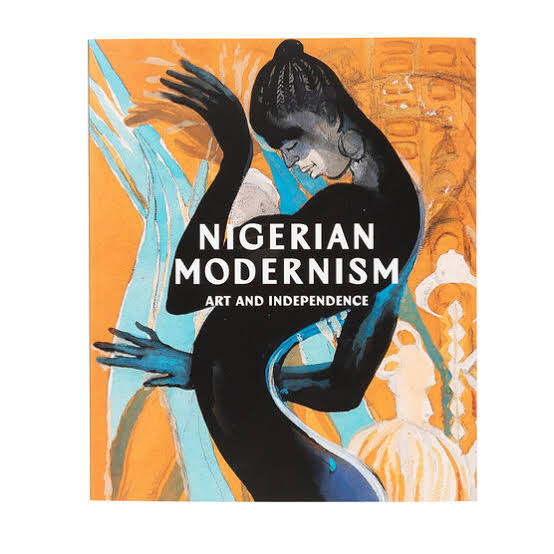
The “Nigerian Modernism” exhibition at Tate Modern is being described by critics as a “tectonic shift” in the global curation of African art, marking a significant departure from earlier ethnographic approaches and positioning Nigerian artists at the center of international modernist discourse. Rather than presenting the works as cultural artifacts, the exhibition traces Nigeria’s political and cultural evolution through art, linking creative expression to the country’s journey from late colonial rule to post-independence complexities.
The exhibition spans nine galleries and features more than 250 works by over 50 artists, covering a 50-year period from the 1940s to the 1990s. Curated by Osei Bonsu and Bilal Akkouche, the show deliberately challenges what the curators describe as a “Western lens” on African art, presenting Nigerian artists as innovators of high modernism who, in some cases, anticipated developments later associated with European movements.
Several major works anchor the exhibition, including Ben Enwonwu’s “Seven Wooden Sculptures” and his 1974 portrait “Tutu,” widely referred to as the “African Mona Lisa,” which occupies a central position in discussions of national identity and cultural confidence. A dedicated section is devoted to ceramicist Ladi Kwali, highlighting her transformation of traditional Gwari pottery into internationally acclaimed studio ceramics. The exhibition also reunites Uzo Egonu’s “Stateless People” series for the first time in four decades, examining themes of displacement and the Nigerian diaspora.
Early works by Aina Onabolu, regarded as the father of Nigerian modern art, are displayed to illustrate his challenge to colonial-era assertions that Africans could not master realism and perspective. Significant attention is given to the Zaria Art Society, often referred to as the Zaria Rebels, including figures such as Bruce Onobrakpeya and Uche Okeke, whose philosophy of “Natural Synthesis” sought to combine indigenous visual languages with Western artistic techniques.
At the heart of the exhibition is the narrative of artistic self-definition, emphasizing how Nigerian artists reclaimed and reinterpreted their cultural heritage. Traditional forms such as Adire indigo textiles, associated with artists like Nike Davies-Okundaye, and Uli motifs from Igbo wall and body art are presented as living sources of modern expression. The influence of the Mbari Artists’ and Writers’ Club in Ibadan is also documented, underscoring its role as a creative hub that brought together writers and artists including Chinua Achebe and Wole Soyinka.
The exhibition is showing at Tate Modern’s Natalie Bell Building, Level 4, and runs until May 10, 2026. Entry is ticketed for non-members, with advance booking advised due to high demand, particularly on weekends. The museum has extended opening hours until 21:00 on Fridays and Saturdays to accommodate late-viewing sessions.
The project is supported by Nigerian corporate partners, including Access Holdings and Coronation Group, a collaboration that observers say represents a notable moment of African investment in the global presentation and preservation of cultural history.


