

Manny Ita –
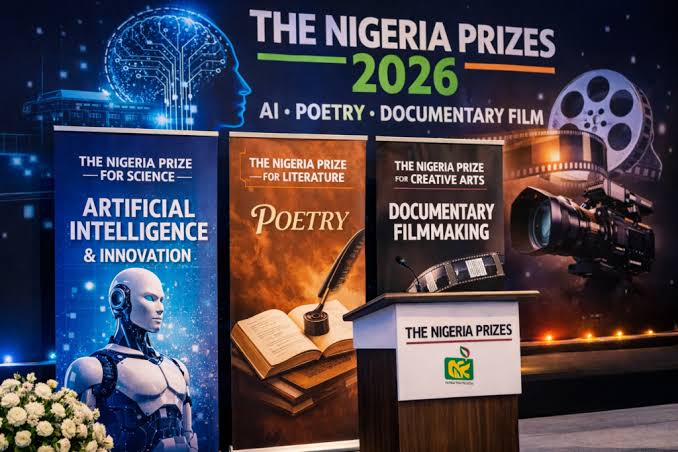
The 2026 cycle of the Nigeria Prize for Literature, sponsored by Nigeria LNG Limited (NLNG), reaches its submission deadline today, with poets across Nigeria and the diaspora submitting entries for a chance to win the $100,000 grand prize.
The competition, regarded as one of Africa’s most prestigious literary awards, is currently focused on the poetry genre as part of its rotational cycle covering prose fiction, drama, and children’s literature. It was established in 2004 to honour excellence in Nigerian writing and has since become a major platform for literary recognition on the continent.
Organisers have confirmed that submissions must be completed by 11:59 p.m. WAT on March 31, 2026, with late entries automatically disqualified. Eligible works are poetry collections published from 2023 onwards, and only Nigerian authors, whether resident in the country or abroad, are permitted to enter.
Entries are being received through designated NLNG offices in Port Harcourt, Lagos (Ikeja), and London, with authors required to submit physical copies alongside electronic versions and proof of Nigerian citizenship.
The prize is administered with advisory support from leading literary and academic institutions and maintains a single-winner format, with the laureate receiving the full $100,000 award. Over the years, it has become a globally recognised benchmark for African literary excellence, producing winners whose works have gained international acclaim.
This year’s poetry focus has drawn attention to a genre often described by organisers as central to reflection, identity, and social commentary. Observers say the competition continues to attract both established poets and emerging voices seeking recognition on a global stage.
Winners of the 2026 edition are expected to be announced later in the year following a multi-stage selection process that includes longlist and shortlist evaluations before final adjudication.
As the deadline closes today, attention now turns to the scale and quality of submissions that will shape the next chapter of one of Africa’s most respected literary prizes.
