






Manny Ita –
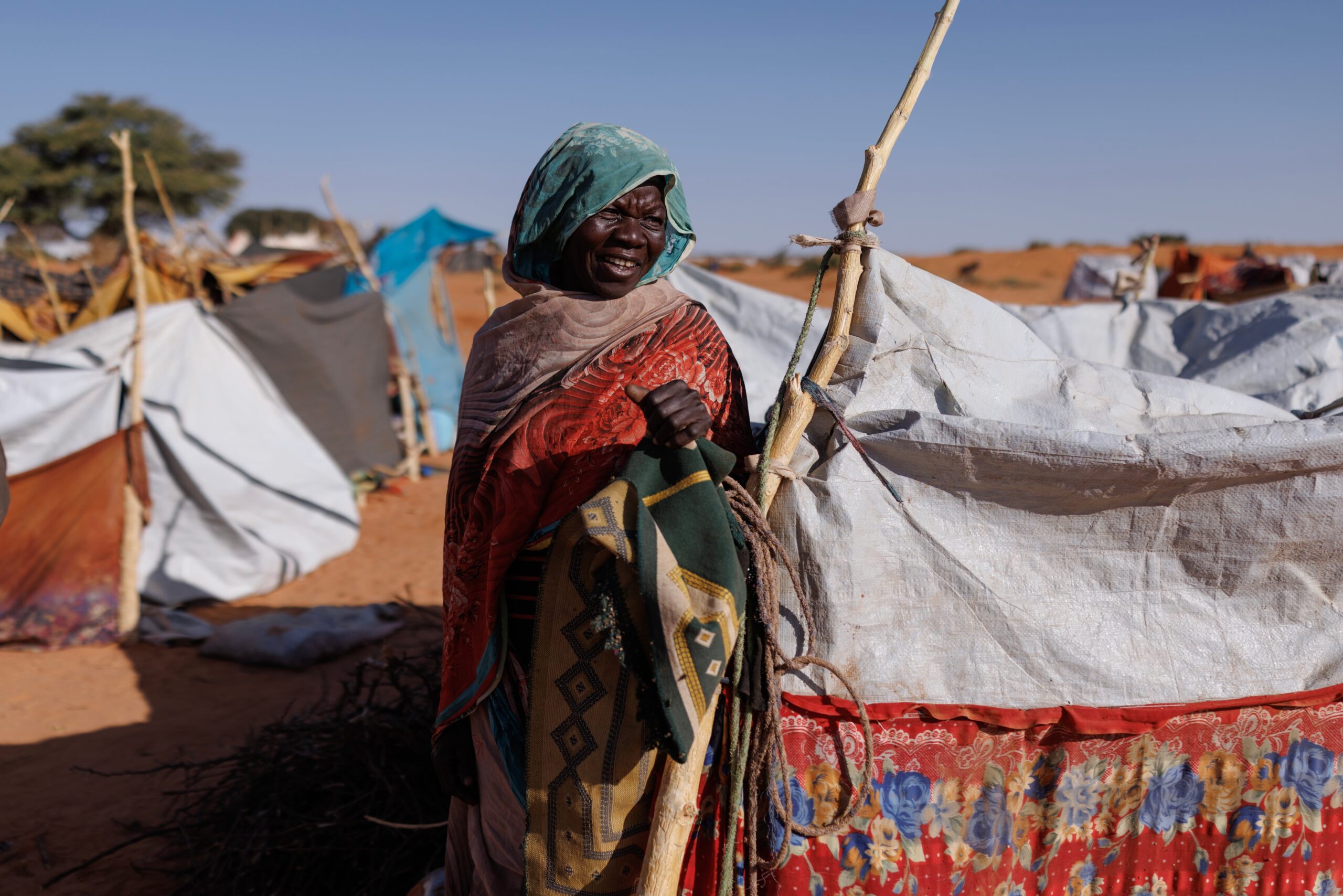
Heavy fighting along Sudan’s border with Chad has killed at least 17 people and left scores of others seriously wounded, according to international medical observers. Doctors Without Borders, also known as Médecins Sans Frontières (MSF), reported that health authorities received 123 wounded patients at a newly constructed hospital, noting that 66 of those individuals are in serious condition.
The Sudanese army stated that the paramilitary Rapid Support Forces (RSF) expanded their offensive into military zones in Tina, though officials claim government troops successfully repelled the assaults and forced a withdrawal. These clashes are part of a broader conflict between the army and the RSF that began in April 2023. While United Nations figures place the death toll of the war at more than 40,000 people, various aid groups suggest the true number of fatalities may be significantly higher.
The town of Tina represents one of the final strongholds in the Darfur region still under the control of the Sudanese military. Its proximity to the Tine crossing is strategically vital, as the route serves as the sole corridor for humanitarian aid and essential deliveries from Chad during periods when the Adre border crossing is inaccessible. In an effort to contain the spillover of the conflict, Chad announced last month that it had closed its border with Sudan “until further notice.”
Medical personnel at the Tine hospital reported that they are currently operating without access to a central water or electricity supply, relying instead on generators and solar panels. MSF staff warned that stockpiles of medicine are running low due to the sudden influx of wounded civilians and combatants. Simultaneously, the Sudan Doctors Network reported that the RSF killed 12 people, including six women, in the town of Bara in North Kordofan following recent heavy clashes.
The medical group condemned the targeting of unarmed civilians and warned of the “serious humanitarian consequences of such attacks, which are forcing more citizens to flee their homes and worsening the already dire humanitarian situation.” Both the Darfur and Kordofan regions have become the epicenter of the ongoing war, with analysts noting that frequent drone strikes in Kordofan have increasingly impacted non-combatants and hampered humanitarian relief operations.