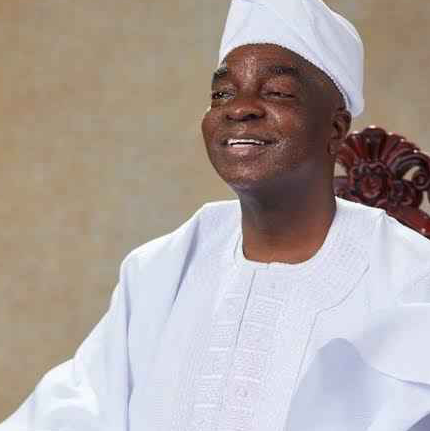




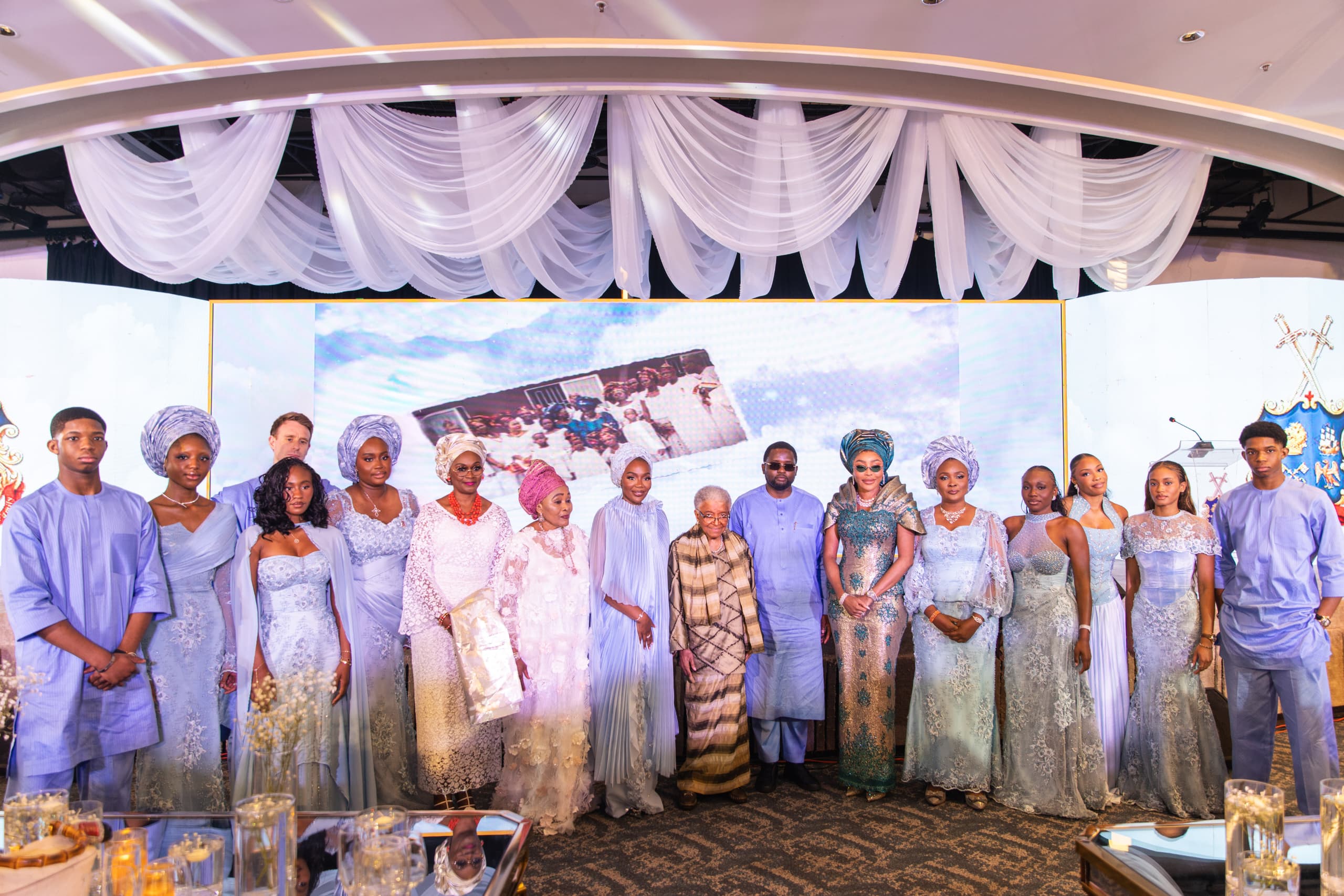
Five years after the death of Captain Idahosa Wells Okunbo, his children gathered in Lagos to remember him. But as the evening unfolded, the story was not only about the man they had lost, it was also about what they had managed to hold on to, The Family.
On August 8, relatives, friends, business associates, political leaders and other guests gathered at the National Theatre in Lagos to mark the fifth anniversary of the death of the businessman and philanthropist, fondly known as Captain Hosa.
The programme celebrated a life that stretched across business, philanthropy and public service. But some of its most affecting moments were far more personal: children speaking about their father, siblings speaking about one another, and a family reflecting on what it means to inherit more than property or a name.
A day earlier, members of the family and close associates had gathered at Captain Hosa’s resting place at the Wells Idahosa Farm in Benin City to pay their respects.
The commemorations then moved to Lagos, where the family hosted a Legacy and Leadership Lecture at the National Theatre. Former President of Liberia and Africa’s first elected female president, Ellen Johnson Sirleaf, delivered the keynote address, reflecting on leadership, nation-building and the responsibility of leaving institutions and societies stronger than one found them.
Yet one of the clearest ideas to emerge from the anniversary came from Captain Hosa’s own children: that their father considered their relationship with one another part of the inheritance he was leaving behind.
Dr. Osahon Okunbo, Founder and Chairman of Vetrinox Capital, recalled how often his father spoke about the importance of his children remaining close.
For years, he said, he understood it simply as something a father would naturally want. It was only after Captain Hosa’s death that the meaning of that instruction became clearer.
The businesses, investments and institutions mattered. But so did the family that would be responsible for carrying them forward.
“We could have walked away from each other,” Osahon said, reflecting on the difficult period following their father’s death. “But nobody did.”
It was a simple statement, but perhaps one of the most revealing of the evening.
The death of the head of a family can expose old tensions and create new ones, particularly where significant assets and responsibilities are involved. For the Okunbo children, the years since their father’s passing have instead required them to make a deliberate choice to remain connected.
That idea of family as legacy became even more visible later in the programme.
In a surprise moment, Olori Atuwatse III, wife of the Olu of Warri and one of Captain Hosa’s daughters, joined her siblings in presenting Osahon with an award recognising him as the family’s “Torchbearer.”
He had not known it was coming.
As his siblings spoke about him, Osahon became visibly emotional.
Olori Atuwatse III explained that the recognition was not about hierarchy or succession. It was about the role her brother had taken on within the family since their father’s death.
She spoke about his generosity, his willingness to keep his door open and the way he had become a source of support to many of his siblings. In doing so, she said, he had preserved something of their father that could not be contained in a company, building or monument.
For the family, the title “Torchbearer” was less about who came next than about who was willing to carry responsibility.
That distinction matters.
Captain Hosa built interests across aviation, maritime, oil and gas, agriculture, hospitality, telecommunications and power. His philanthropy also touched communities and individuals across the country. Those achievements form an important part of the public record of his life.
The family is also working to preserve that history through a Living Museum at the Wells Idahosa Farm in Benin City, creating a permanent record of his life, work and contribution for future generations.
But five years after his death, his children appear equally concerned with preserving something less tangible.
The values behind what he built.
The relationships he insisted they protect.
And the understanding that a legacy is not simply what a person leaves behind, but what those who remain choose to do with it.
Among the guests who joined the family for the anniversary were government officials, business leaders, traditional rulers, diplomats and members of the National Assembly, including the Deputy Governor of Edo State, the Governor of Ogun State and Senator Adams Oshiomhole.
Also paying tribute was APC candidate for Oredo Federal Constituency, Dr. Paddy Iyamu, who described Captain Hosa as a man committed to service, opportunity and the development of others.
By the end of the evening, however, the most persuasive testimony to Captain Hosa’s legacy may not have come from any formal tribute.
It was there in the sight of his children standing together.
Five years after losing their father, they are still doing what he asked of them: staying close, looking after one another and finding their own ways to carry forward what he built.
Perhaps that was the inheritance he understood would matter most.
By Adeniyi Ifetayo