




Lagos: The Eyo Festival Will Hold in December, Celebrating Heritage and Icons
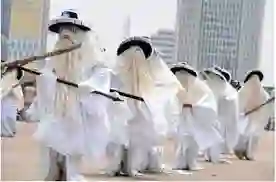

Eyo first emerged in 1854 under Oba Akintoye’s reign.
The streets of Lagos Island will come alive on Saturday, December 27, 2025, as the ancient Eyo Festival unfolds in its full ceremonial splendour. This rare procession, reserved for honouring departed luminaries whose lives shaped Lagos and Nigeria, will pay tribute to four distinguished figures while drawing thousands into a living tapestry of tradition, identity and collective memory.
A Ceremony Born from Royal Reverence
The Eyo Festival—locally known as the Adamu Orisha Play—emerged formally in 1854 under Oba Akintoye’s reign as the highest traditional honour Lagos Island could bestow. Originally conceived to escort the souls of departed Obas into the afterlife, the festival evolved into a sacred institution that celebrates individuals whose legacies transcend their lifetimes. What began as funerary rites has transformed into a powerful affirmation of continuity, peace and prosperity.
Oba Akintoye himself became the first royal figure to receive full Eyo rites, cementing the festival’s place as a cornerstone of Lagos identity and statehood.
This Year’s Honourees: Giants Who Built Modern Lagos
The 2025 edition celebrates four towering figures:
Sir Michael Agbolade Otedola, former Lagos State Governor, receives posthumous recognition for his contributions to the state’s development. Alhaja Abibatu Mogaji, the revered matriarch who served as Ìyálọ́jà of Nigeria and mother to President Bola Ahmed Tinubu, is honoured for her leadership and cultural influence. Alhaji Lateef Kayode Jakande, the transformative governor whose legacy in education, housing and public infrastructure remains unmatched, is commemorated for his visionary service. Brigadier Mobolaji Johnson, Lagos State’s first Military Governor, is recognized for establishing the administrative foundations that enabled modern Lagos to flourish.
His Royal Majesty Oba Rilwanu Akiolu, the Oba of Lagos, described the festival as a celebration that transcends religious boundaries. “Eyo is for Muslims, Christians and traditional worshippers alike. It reflects the harmony and tolerance that define Lagos,” he stated, emphasizing that the festival is cultural heritage, not deity worship.
The White-Robed Guardians: Understanding the Eyos
The Eyo masquerades are the festival’s spiritual center. Draped in flowing white robes, crowned with distinctive wide-brimmed hats called Aga Akete, and carrying the symbolic Opambata staff, these figures move through Lagos Island with ceremonial authority. Their faces remain veiled behind white cloth perforated only for vision, while the Aropale garment is tied at the waist beneath their robes.
Five principal Orisha Eyos command the procession’s spiritual hierarchy: Eyo Adimu Orisha, Oniko, Eyo Ologede, Eyo Angere and Laba. All other Eyos must halt and pay homage when encountering these authorities. The Adimu Orisha holds the highest rank and uniquely maintains complete facial anonymity throughout the festival. Wearing full Eyo regalia remains exclusively a male tradition.
Roots, Rights and Ritual Authority
The privilege of fielding Eyos belongs to recognized Lagos Iga (Chieftaincy) Houses, a network of over 60 titled families including Akitoye, Kosoko, Dosunmu, Ojora, Oniru, Oshodi Tapa, Taiwo Olowo and dozens more. These custodian houses preserve the festival’s authenticity across generations, though not all participate annually.
While anyone—tourists and locals alike—may join the street procession, wearing the complete Eyo regalia is reserved for men who are either native Lagosians or culturally integrated individuals affiliated with recognized Iga houses. High-profile guests, including President Tinubu and Governor Babajide Sanwo-Olu, may wear the ceremonial hat and carry the Opambata without donning the full sacred robe.
Where Tradition Meets the Streets
The festival’s activities center at Tafawa Balewa Square, with the traditional procession originating from Isale Eko and Idumota. The sacred route remains strictly confined to Lagos Island, terminating at Onikan and Obalende—the Eyo does not venture into Ikoyi or areas beyond.
Governor Sanwo-Olu characterized the festival as both a cultural treasure and economic catalyst, reinforcing Lagos’ status as Africa’s cultural capital. The state government will deploy over 100 BRT buses to transport participants on a paid basis, while vehicular restrictions will be enforced along procession routes. Special Eyo Police (Ilárí) and festival marshals will maintain order, with security agencies standing ready to address misconduct.
The Rules That Preserve the Sacred
The festival demands respect through strict protocols. Participants must not wear shoes, slippers, caps or any headgear. Smoking is prohibited, as are shuku hairstyles. Photography with Eyos is permitted except for the Adimu Orisha, whose image must never be captured. Blocking procession routes or engaging in violence invites immediate sanction from both the Eyos and security forces.
Attendees should prepare for extensive walking and must follow all instructions from palace authorities and Eyo custodians. When Eyos approach, showing respect is not optional—it is fundamental.
Songs, Economy and the Living Culture
Eyo chants echo through generations, carried forward by musical legends including Wasiu Ayinde Marshal (K1 De Ultimate), the late Sikiru Ayinde Barrister, Asa and Orishe Femi. The refrains—”Eyo ooooo… Eyo Aiye ile… Eyo ooooo…”—become the soundtrack of Lagos remembering itself.
Beyond its spiritual dimensions, the Eyo Festival drives substantial economic activity. Tourism, hospitality, fashion, food and beverage sectors all surge during the celebration. Participants routinely invest between ₦200,000 and ₦400,000 in bespoke festival attire, while artisans producing Aga Akete hats and Opambata staffs see booming demand. As a central pillar of Lagos’ Detty December phenomenon, the festival strengthens the city’s reputation as Africa’s cultural and creative capital.
More Than Memory: Lagos Walking, Lagos Breathing
The Eyo Festival is not simply an event on the calendar. It is Lagos in motion—a city honoring its heroes, affirming its identity and projecting its spirit across generations. From the white-robed figures gliding through ancient streets to the thousands who follow in celebration, the festival remains the heartbeat of a culture that refuses to be forgotten.
Agógóró Eyo…
Mo yo fún ẹ,
Mo yó fún rá mi.
The 2025 Eyo Festival takes place Saturday, December 27, 2025, at Tafawa Balewa Square and across Lagos Island.