





Manny Ita
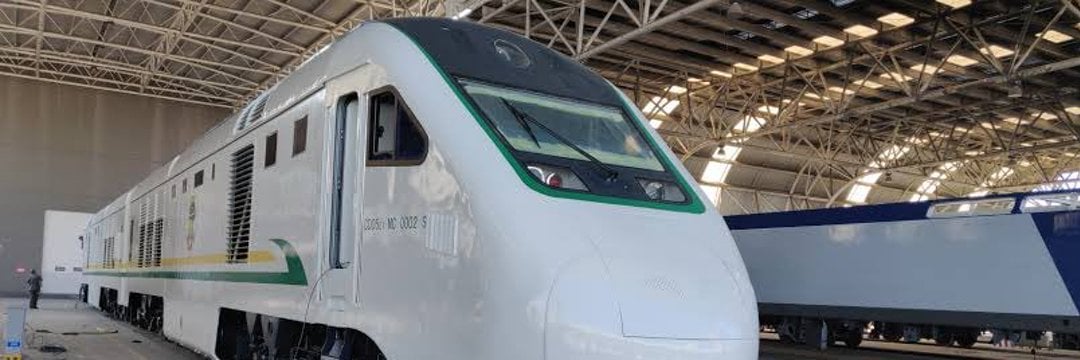
The Nigerian Railway Corporation (NRC) announced on Thursday, January 29, 2026, the successful completion of a proof-of-concept for locomotives powered by Liquefied Natural Gas (LNG). The technical milestone follows three months of rigorous stress tests aimed at transitioning the national rail fleet from diesel dependence to a more sustainable energy model. According to the corporation, the newly retrofitted engines demonstrated a significant reduction in carbon emissions and a projected 30% decrease in operational fuel costs. A senior NRC engineer, speaking during a technical briefing in Lagos, noted that “this transition is not just about environmental responsibility; it is a tactical move to insulate our rail operations from the volatile fluctuations of global diesel prices.”
The corporation has identified the Lagos-Ibadan and Warri-Itakpe corridors as the primary routes for the initial deployment of these cleaner, more efficient coaches. These specific lines were selected to target domestic tourists seeking “safer and more scenic travel alternatives” between the Southwest and the Central-Southern belts. By mitigating the noise and exhaust fumes typical of traditional diesel engines, the NRC aims to elevate the passenger experience to meet international tourism standards. The initiative is also expected to stabilize ticket pricing for commuters, as the lower cost of LNG provides a buffer against the energy inflation currently affecting the broader transport sector.
As part of the operational rollout, the NRC revealed it is finalizing partnerships with local gas suppliers to install dedicated LNG refueling infrastructure at key terminals, including the Mobolaji Johnson Station in Lagos and the Ujevwu Station in Delta State. The move aligns with the federal government’s broader Energy Transition Plan and “Decade of Gas” policy. While the pilot phase is scheduled to begin in the second quarter of 2026, the Ministry of Transportation has indicated that a successful implementation could lead to the conversion of the entire national fleet by 2028. For now, the focus remains on the “premium and serene” experience these trains are designed to offer the growing domestic tourism market


