






Manny Ita –
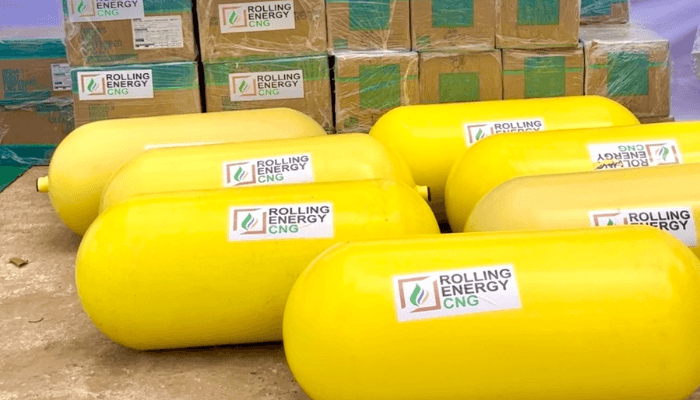
The Federal Government has directed the immediate deployment of approximately 100,000 conversion kits to facilitate the transition of vehicles, including tricycles, from petrol to Compressed Natural Gas (CNG). Highlighting the urgency of the initiative, Michael Ahmed, a key official in the transition programme, explained that these kits are designed to allow vehicle owners to modify their engines to run on gas, providing a cheaper alternative to traditional fuels. Ahmed noted that the conversion programme is expected to commence shortly, with preparations already finalized across designated centers nationwide. “The conversion centres across the country will be bustling with activities as we begin large-scale vehicle conversions,” he stated, signaling a move toward industrial-scale implementation of the energy shift.
Beyond the distribution of kits, the government is reportedly scaling up the physical infrastructure necessary to sustain a gas-powered transportation network. Ahmed revealed that there are currently “about 77 refuelling stations at various stages of development across the country,” with Kano already hosting two Liquefied Compressed Natural Gas stations. He further detailed that additional “daughter stations” are under development along major transport corridors, specifically linking Lokoja to Abuja, Kaduna, and Zaria, and extending further north to Kano and Maiduguri. This infrastructure rollout is intended to ensure that converted vehicles have consistent access to fuel across the country’s primary transit arteries.
Parallel to the CNG push, the administration is integrating electric mobility into Nigeria’s broader clean energy transition strategy. According to Ahmed, the government is collaborating with both local and international manufacturers to promote the domestic assembly of electric vehicles (EVs). Furthermore, a partnership with the Rural Electrification Agency is underway to deploy solar-powered charging stations in off-grid communities, aimed at ensuring that the transition to green energy reaches beyond urban centers. Ahmed emphasized that these multi-modal efforts are essential for a sustainable and diversified energy future.
The Presidential CNG Initiative (PiCNG) was originally introduced in 2023 as a strategic response to the removal of petrol subsidies, positioned as both a cost-relief mechanism and a method to deepen domestic gas utilization. However, the initiative faces scrutiny following reports that it has struggled to meet its primary targets despite attracting over $2 billion in private sector investments over the past two years. This renewed push comes at a critical time as Nigerians grapple with a volatile energy market. On Tuesday, March 10, the Dangote Refinery adjusted its ex-depot price for petrol to N1,075 per litre, following a week of significant fluctuations driven by global tensions between Iran and a coalition of US and Israeli forces.


