







From Risk to Reliability: How Pipeline Security Is Powering Nigeria’s 2026 Oil Ambitions
Nigeria’s ambition to reach and sustain crude oil production levels above 1.8 million barrels per day by 2026 rests on more than reserves and rigs. It depends on whether oil can move safely, consistently, and predictably from the fields to export terminals.
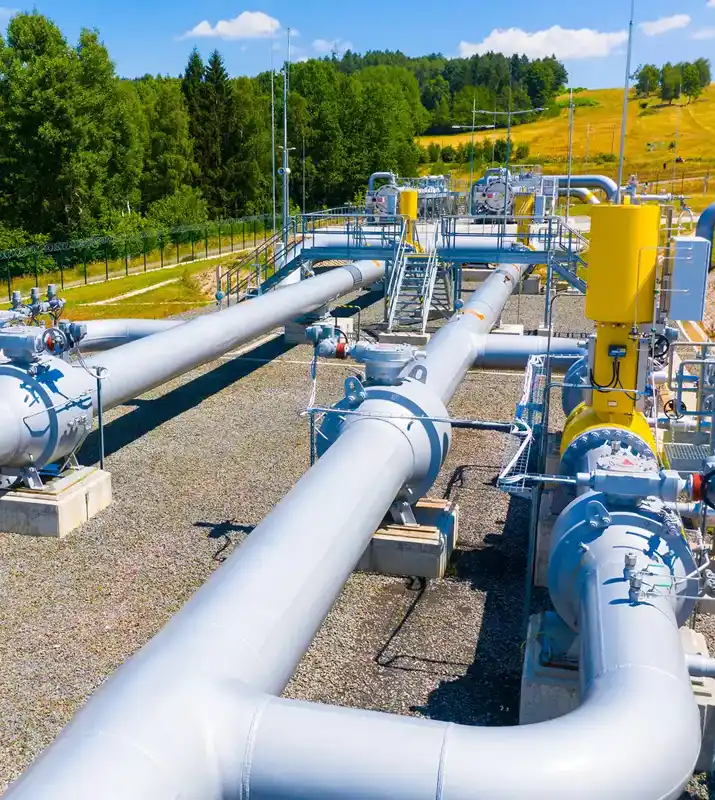
Pipeline Infrastructure Nigeria Limited (PINL) has become a pivotal force in answering that question. Operating on critical infrastructure such as the Trans Niger Pipeline, the company’s integrated security and community partnership model has helped convert historically fragile assets into dependable economic infrastructure.
The federal government’s 2026 budget assumptions, drawn from the Medium-Term Expenditure Framework, are anchored on oil output of 1.84 million barrels per day. Given that Nigeria’s recent production averaged closer to 1.64 million barrels per day, the gap is significant. Yet improved pipeline performance has narrowed this gap, enabling higher lifting volumes and reducing losses previously attributed to theft and vandalism.
Reports from industry observers indicate pipeline availability rates exceeding 95 percent on secured routes, with some regions recording zero incidents over extended periods. This operational consistency has allowed producers to resume activity in constrained areas, meet export schedules, and improve revenue predictability—key ingredients for fiscal stability.
PINL’s strategy departs from traditional enforcement-heavy models. By embedding host communities into surveillance and protection frameworks, the company has transformed local actors from bystanders into custodians of national assets. Employment opportunities, youth and women-focused programmes, and continuous engagement have reduced conflict and strengthened trust—factors that prove just as important as technology in safeguarding infrastructure.
For NNPCL and its partners, this stability has strategic implications. Secure pipelines underpin the feasibility of higher production targets, support foreign exchange inflows, and reduce environmental degradation linked to illegal refining. In effect, pipeline security has shifted from a defensive necessity to an economic multiplier.
As Nigeria charts its path toward higher production benchmarks, the experience on the Trans Niger Pipeline offers a clear lesson. Energy ambitions rise or fall not only on policy and investment, but on the integrity of the infrastructure that connects them. In that space, PINL’s role has become increasingly difficult to ignore.


