






Manny Ita
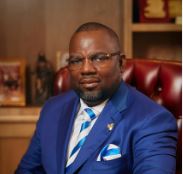
Julius Rone, Chief Executive Officer of UTM Offshore, has announced that construction will commence in 2026 on Nigeria’s first Floating Liquefied Natural Gas (FLNG) facility, marking a major milestone in the country’s energy sector. Rone made the declaration while accepting The Sun Newspaper’s Investor of the Year 2026 award, telling the audience, “This year, we are moving into the construction phase.”


Rone’s emergence as a leading figure in Nigeria’s gas industry follows a career spanning public service and private enterprise. He previously worked with the Oil Mineral Producing Areas Development Commission and the Niger Delta Development Commission before founding the UTM Group of Companies in 2008. He now leads a $5 billion FLNG project targeted at developing 2.2 trillion cubic feet of proven gas reserves in the Yoho field, located about 60 kilometres offshore in the Niger Delta.
The FLNG project is designed to address Nigeria’s reliance on imported cooking gas despite its vast natural gas resources. Rone described it as a response to what he called the “painful irony” of an energy-rich nation importing LPG. According to him, the facility will produce 300,000 tonnes of liquefied petroleum gas annually for domestic consumption. “The project will improve domestic requirement for LPG in Nigeria. Instead of importing, we will be self-sufficient as a nation,” he said, adding that “at least 300,000 metric tonnes per annum” would be retained within the country to support households and industries.

Financing for the project has been secured through Afreximbank, which Rone said committed $5 billion to be deployed in two phases. The ownership structure includes UTM FLNG holding 72 per cent equity, with the Nigerian National Petroleum Company Limited owning 20 per cent and the Delta State Government holding 8 per cent. Rone said the arrangement was designed to balance national interest with private sector efficiency.
To deliver the project, UTM Offshore has partnered with international engineering and technology firms, including JGC Holdings, Technip Energies and KBR, which Rone described as essential to ensuring global technical standards.
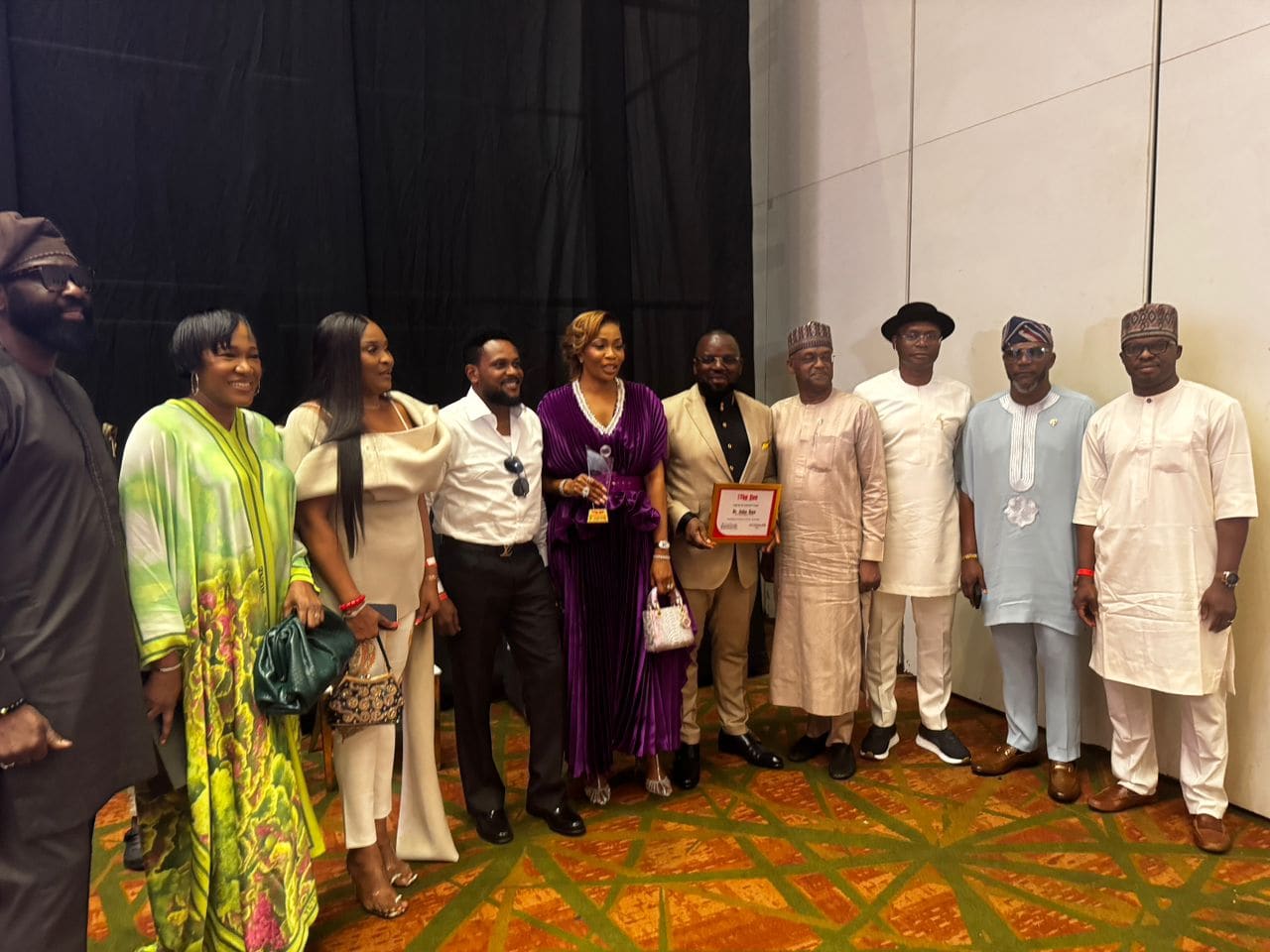
Rone attributed the progress made so far to policy support from the Federal Government, citing the current administration’s economic direction. He said the “Renewed Hope Agenda” of President Bola Ahmed Tinubu had helped create incentives for large-scale gas investments. “The administration of President Bola Ahmed Tinubu has continued to create an enabling environment to encourage investors,” he said, adding that his focus was on “moving the country forward.”
Despite the scale of the investment, Rone said his motivation was rooted in discipline and consistency rather than personal acclaim. “The key principles for success are to be focused, hard working and consistent,” he said.

As construction is expected to begin in 2026, the FLNG project is being closely watched by industry stakeholders as a test of Nigeria’s ability to translate its gas reserves into sustained industrial and domestic energy supply.


