






Manny Ita –
International interest in Nigeria’s liquefied natural gas (LNG) exports has been rising steadily as global energy markets continue to adjust to shifting supply routes, growing demand, and the push for cleaner-burning fuels.
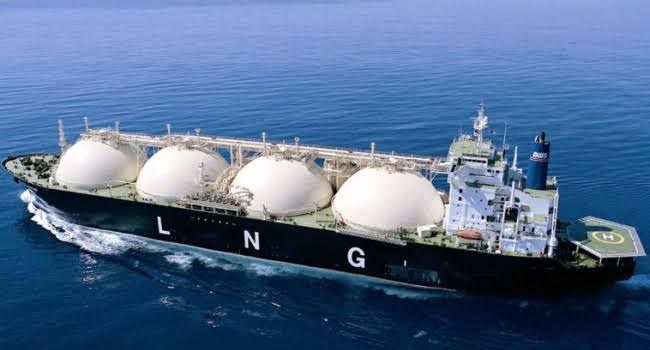
Nigeria, through the Nigeria LNG Limited (NLNG) facility on Bonny Island, remains one of Africa’s most important gas exporters. The country’s LNG is increasingly attracting attention from buyers in Europe and Asia who are seeking more stable and diversified energy sources outside traditional suppliers.
In recent years, global gas demand has remained strong due to Europe’s effort to reduce reliance on pipeline gas from Russia, Asia’s expanding industrial energy needs, especially in China and India, and the global transition phase toward cleaner fuels, where gas is seen as a “bridge fuel.” These factors have made LNG from established producers like Nigeria more strategically important.
Nigeria’s LNG exports are handled primarily by NLNG, a joint venture involving the Nigerian National Petroleum Company (NNPC) and international energy partners. The country is already a significant exporter, supplying cargoes to markets in Europe, Asia, and the Americas.
Industry watchers note that Nigerian LNG is benefiting from competitive pricing compared to some Atlantic basin suppliers, strategic shipping routes that connect easily to Europe, and growing reliability improvements in production and cargo delivery schedules.
Increased LNG demand has important implications for Nigeria’s economy, including higher foreign exchange earnings from gas exports, potential support for the naira through improved FX inflows, strengthening of Nigeria’s position as a key gas hub in Africa, and increased investor interest in upstream gas development projects.
This comes at a time when Nigeria is actively trying to diversify its revenue base beyond crude oil, with natural gas described by policymakers as a “transition fuel” and a long-term growth area.
Energy analysts expect LNG demand to remain strong in the short to medium term, even as renewable energy expands globally. This means Nigeria’s gas sector could continue to see more long-term purchase agreements (LTAs) with foreign buyers, expansion discussions around existing LNG trains, and increased investment in gas infrastructure and pipelines feeding export terminals.
However, challenges remain, including gas supply constraints, infrastructure gaps, and domestic pricing policies that can affect production incentives.
Nigeria’s rising profile in the LNG market reflects a broader shift in global energy dynamics. As countries seek secure and diversified gas supplies, Nigeria is positioning itself as a reliable supplier with growing strategic value in the international energy system.
Nigeria Emerges as Key LNG Supplier as Global Buyers Increase Demand for Gas Exports


