







Manny Ita –
President Bola Ahmed Tinubu has approved an expansion of the Presidential Initiative on Compressed Natural Gas (PiCNG), extending its mandate to include electric vehicles as part of a broader national clean mobility strategy.
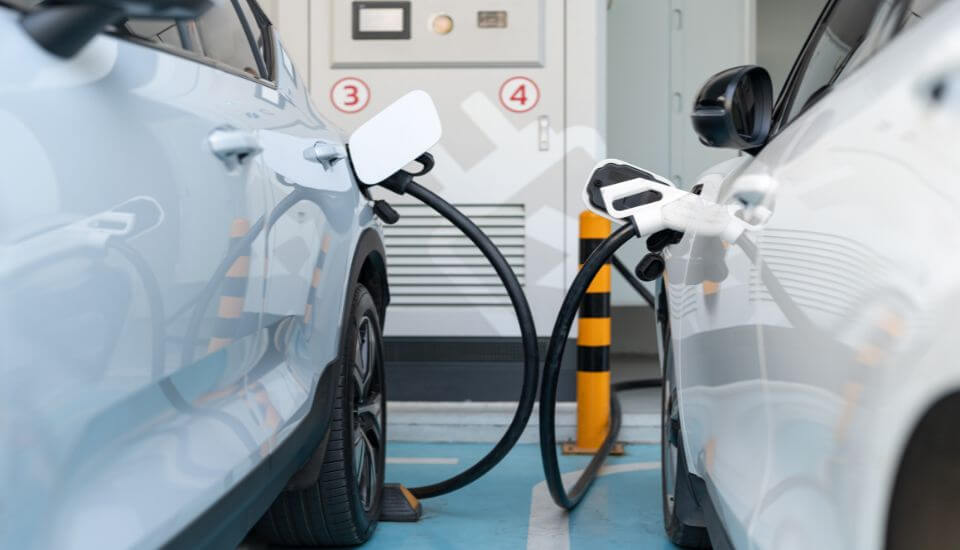
With the new directive, the initiative—previously focused on promoting compressed natural gas adoption as an alternative to petrol and diesel—will now operate under an expanded framework known as the Presidential Initiative on Compressed Natural Gas & Electric Vehicles (PiCNG & EV). The restructured body is expected to oversee the deployment of electric vehicle infrastructure, particularly nationwide charging stations, while continuing to drive adoption of CNG-powered transportation.
Government officials indicated that the expansion aligns with efforts by the Federal Government of Nigeria to reduce dependence on fossil fuels, lower transportation costs, and gradually transition toward cleaner and more sustainable energy alternatives in the transport sector. The initiative is also expected to encourage private sector participation in building EV charging networks and supporting ancillary services required for electric mobility.
A statement from the presidency described the policy shift as a strategic step toward modernising Nigeria’s transport ecosystem, noting that the integration of electric vehicles into the PiCNG framework would “accelerate the diversification of energy sources in transportation and position Nigeria in line with global clean energy trends.”
The expanded mandate will also involve collaboration with relevant ministries, regulatory agencies, and private investors to ensure the establishment of standards, infrastructure rollout, and policy guidelines necessary for electric vehicle adoption. Authorities say the inclusion of EVs is intended to complement ongoing CNG adoption efforts rather than replace them, creating a dual-track approach to clean mobility.
Analysts have described the development as a significant policy milestone, highlighting that successful implementation could help address rising fuel costs, improve urban air quality, and stimulate new investment opportunities in the automotive and energy sectors. The PiCNG & EV framework is expected to be rolled out in phases, beginning with pilot infrastructure projects in major cities before expanding nationwide.


