






Manny Ita –
New market data for April 2026 indicates a significant shift in Nigeria’s real estate landscape, with fresh development activity and investor interest concentrating in key high-growth corridors across Lagos and Abuja.
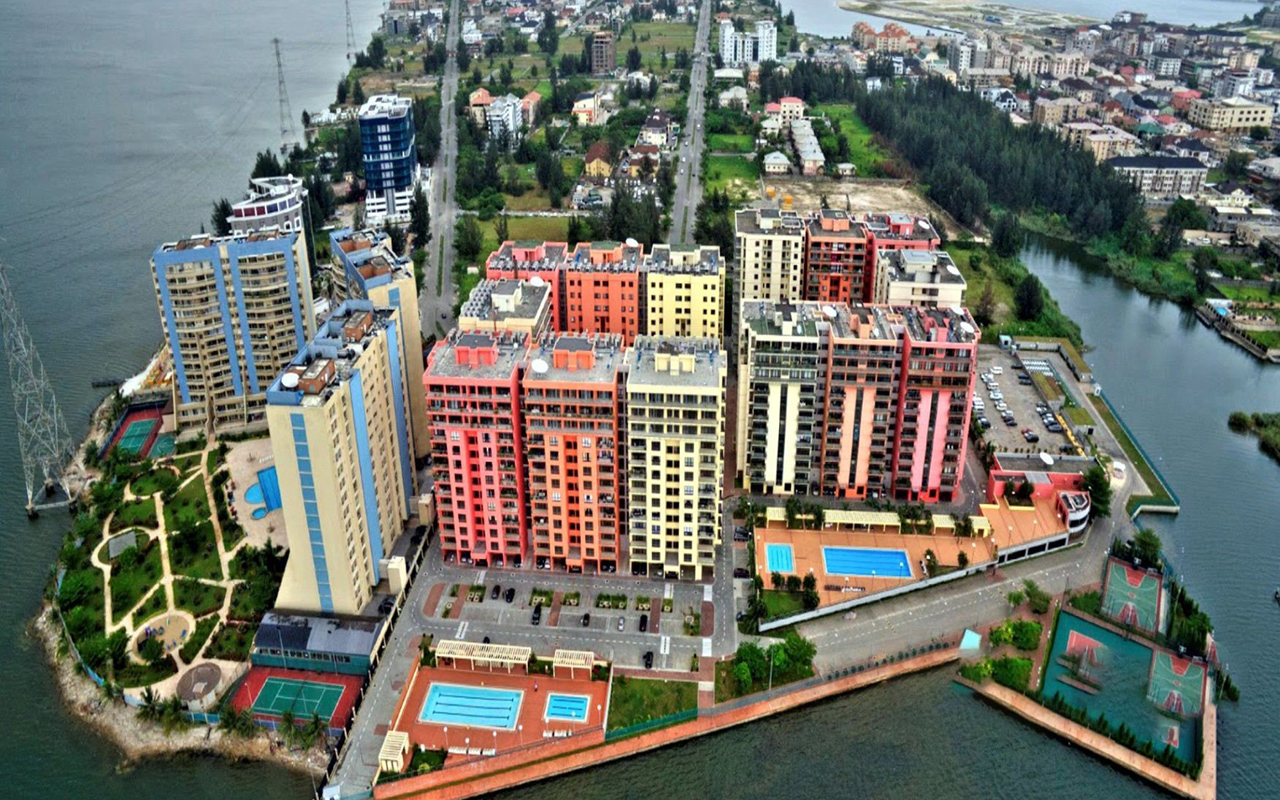
In Lagos, the Lekki-Ajah corridor, Ikate, and the rapidly expanding Eko Atlantic zone have emerged as the focal points for new-build projects. Developers are increasingly drawn to these areas due to improved infrastructure, rising demand for premium housing, and their proximity to commercial and lifestyle hubs.
The Lekki-Ajah axis continues to benefit from ongoing road expansions and urban development projects, positioning it as a preferred destination for both middle- and upper-income residential developments. Ikate, located within the Lekki scheme, is also witnessing a surge in gated estates and serviced apartments, driven by demand from professionals and expatriates.
Eko Atlantic, widely regarded as Nigeria’s flagship luxury real estate project, is attracting high-net-worth investors seeking exclusive waterfront properties and modern urban amenities. The zone’s master-planned design and premium positioning have made it a standout destination in the country’s luxury property segment.
In the Federal Capital Territory, Katampe Extension and Guzape have retained their status as prime investment locations. Both districts are experiencing sustained growth due to their strategic location, relative accessibility, and increasing infrastructure development.
Katampe Extension, in particular, is gaining attention for its blend of affordability and long-term appreciation potential, making it attractive to both developers and first-time investors. Guzape, on the other hand, continues to command premium pricing due to its established reputation as a high-end residential district.
Analysts attribute the surge in these corridors to a combination of factors, including urban migration, population growth, and a growing appetite for secure, well-planned residential communities.
Despite the positive outlook, experts caution that challenges such as high construction costs, fluctuating exchange rates, and regulatory bottlenecks could impact the pace of development.
Overall, the emerging trends suggest a gradual decentralisation of real estate activity, with investors targeting areas that offer a mix of infrastructure, accessibility, and long-term value in Nigeria’s two largest property markets.