

Manny Ita-
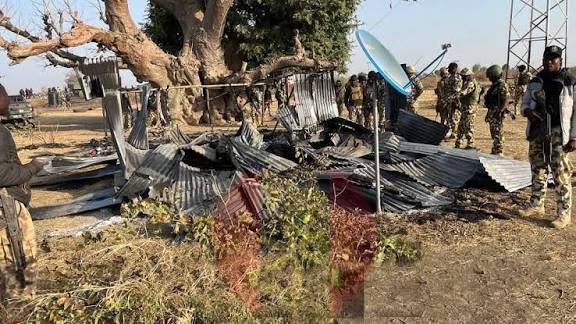
At least 25 people have been confirmed dead following a series of coordinated attacks by gunmen across Adamawa State on Tuesday, marking one of the deadliest escalations of violence in the region this year. According to local government officials and community leaders, the primary assault occurred in Madagali Local Government Area, where insurgents riding motorcycles stormed a local market and opened fire, killing 21 civilians. Witnesses reported that the attackers looted food supplies and seized transport vehicles before fleeing the scene. Hours later, an ambush in the neighboring Hong Local Government Area resulted in the deaths of three Nigerian soldiers and one civilian, a development confirmed by a senior military officer speaking on the condition of anonymity.
The resurgence of violence has drawn sharp warnings from the United Nations Office for the Coordination of Humanitarian Affairs (OCHA), which stated that insecurity during the approaching “lean season” could reverse fragile recovery gains in Borno, Adamawa, and Yobe states. OCHA highlighted a critical funding crisis, noting that the 2026 Humanitarian Needs and Response Plan for Northeast Nigeria is currently only 32 percent funded, leaving a $347.5 million shortfall against a $516.4 million appeal. The World Food Programme (WFP) further cautioned that these gaps may necessitate reductions in food distributions at a time when 5.8 million people in the region are projected to face acute food insecurity.
In response to the killings, Governor Ahmadu Umaru Fintiri has pledged to intensify security operations to protect vulnerable communities. “Terrorists will not undermine the peace of our state,” Fintiri declared, emphasizing the government’s resolve to stabilize the affected areas. However, security analysts point out that hit-and-run raids on rural trade routes remain difficult to prevent, particularly as regional counterinsurgency coordination has faced strain since 2023. This sentiment was echoed by United Nations representatives who warned that the violence threatens life-saving interventions. “Inadequate funding threatens life-saving nutrition interventions for vulnerable children, particularly during peak malnutrition months,” a spokesperson for UNICEF added.
The attacks have already triggered fresh displacement, with residents in Madagali and Hong moving toward larger towns with a military presence to escape further raids. Humanitarian organizations warn that this movement will increase pressure on already congested settlements in Borno State where infrastructure is stretched thin. Local stakeholders fear that if commercial transporters continue to avoid these corridors due to the risk of ambush, food prices will rise sharply, compounding the hardship for millions already under strain. For now, the region remains on high alert as the military attempts to close rural security gaps and prevent the violence from cascading into a broader humanitarian setback.
